


Sustainability has become a defining factor in how modern hospitality spaces are designed, built, and experienced. Hotels, resorts, and leisure developments are no longer judged solely by luxury or aesthetics; today’s guests are increasingly aware of environmental responsibility and expect the places they stay in to reflect those values. As a result, sustainable design in hospitality architecture is no longer optional—it is a strategic and experiential necessity.
At its core, sustainable hospitality architecture is about creating spaces that balance environmental responsibility, guest comfort, and long-term operational efficiency. When done thoughtfully, sustainability enhances both the guest experience and the overall value of the property.
Why Sustainability Matters in Hospitality Architecture

The hospitality industry is resource-intensive by nature. Energy consumption, water usage, material waste, and carbon emissions are all significantly higher compared to many other building types. Sustainable architectural design addresses these challenges at the planning stage, reducing environmental impact while improving building performance.
For hospitality brands, this approach also aligns with evolving guest expectations. Travelers today are more conscious of their choices and increasingly prefer accommodations that demonstrate genuine environmental commitment rather than surface-level green marketing.
Designing with Climate and Context in Mind
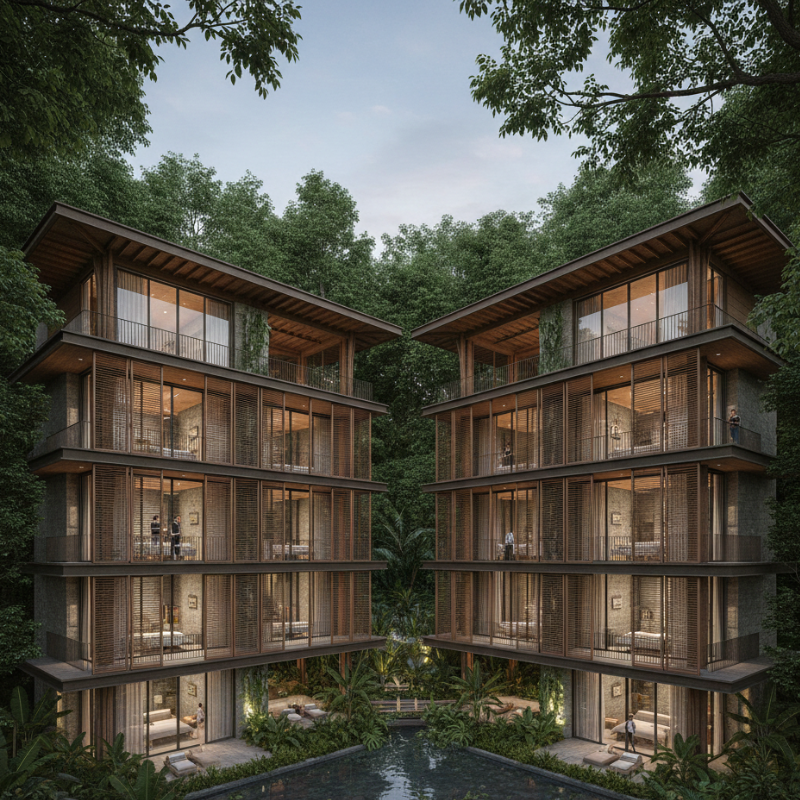
One of the most effective principles of sustainable hospitality architecture is climate-responsive design. Buildings that respond to their local climate—through orientation, shading, ventilation, and material selection—naturally require less energy for heating and cooling.
For example, thoughtful positioning of windows to maximize natural daylight reduces reliance on artificial lighting, while deep overhangs and courtyards help manage heat in warmer climates. Architecture that works with its surroundings rather than against them creates more comfortable spaces for guests and lowers long-term energy demands.
Material Choices That Make a Difference
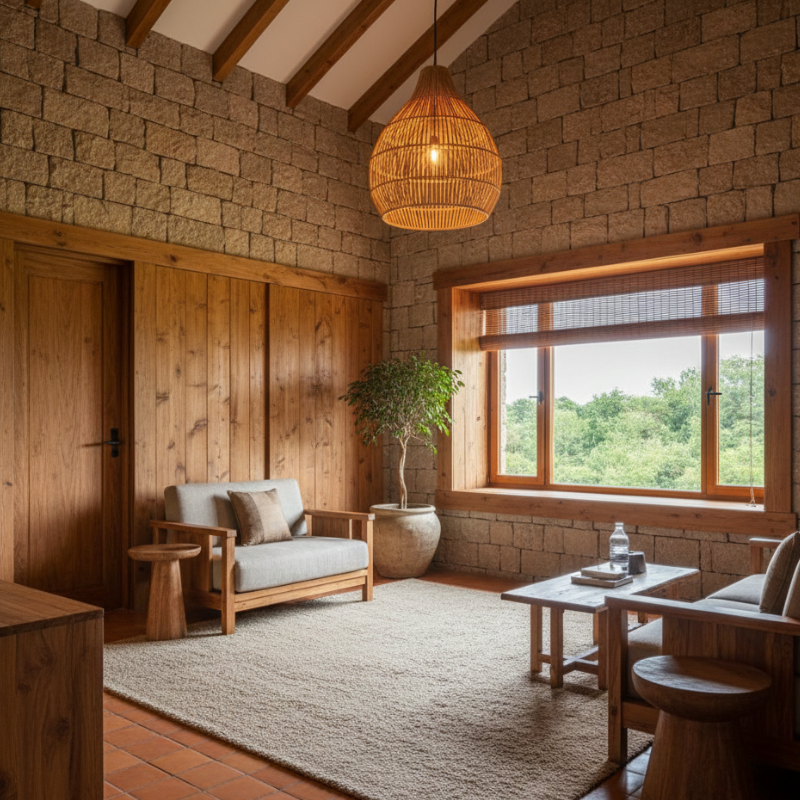
Material selection plays a crucial role in sustainable hospitality design. Using locally sourced, durable, and low-impact materials reduces transportation emissions and supports regional economies. Natural materials such as stone, wood, and clay often age gracefully, adding character to hospitality spaces while requiring less frequent replacement.
Sustainable materials also contribute to indoor environmental quality. Low-VOC finishes, natural insulation, and breathable building components improve air quality, creating healthier and more pleasant environments for guests and staff alike.
Energy Efficiency Without Compromising Comfort
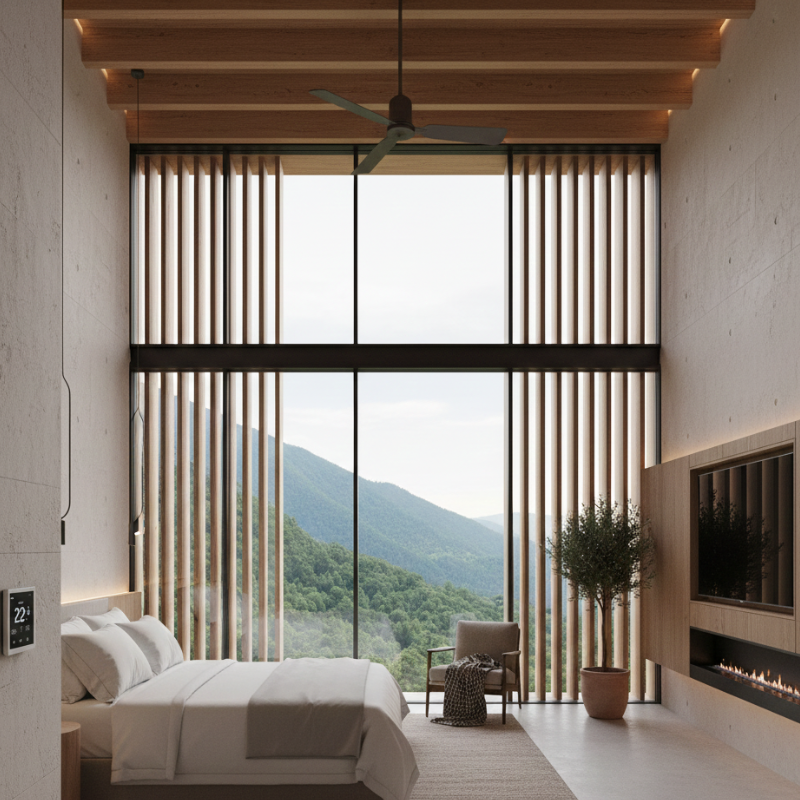
Energy-efficient design does not mean sacrificing comfort or luxury. On the contrary, well-designed sustainable buildings often feel more comfortable due to better thermal performance and controlled indoor conditions.
Passive design strategies such as natural ventilation, thermal mass, and insulation reduce dependence on mechanical systems. When combined with energy-efficient technologies like LED lighting, smart controls, and renewable energy integration, hospitality buildings can significantly reduce operational costs while maintaining high standards of comfort.
Guests may not notice the systems behind the scenes, but they will feel the difference in temperature stability, lighting quality, and overall ambience.
Water Management as a Design Strategy
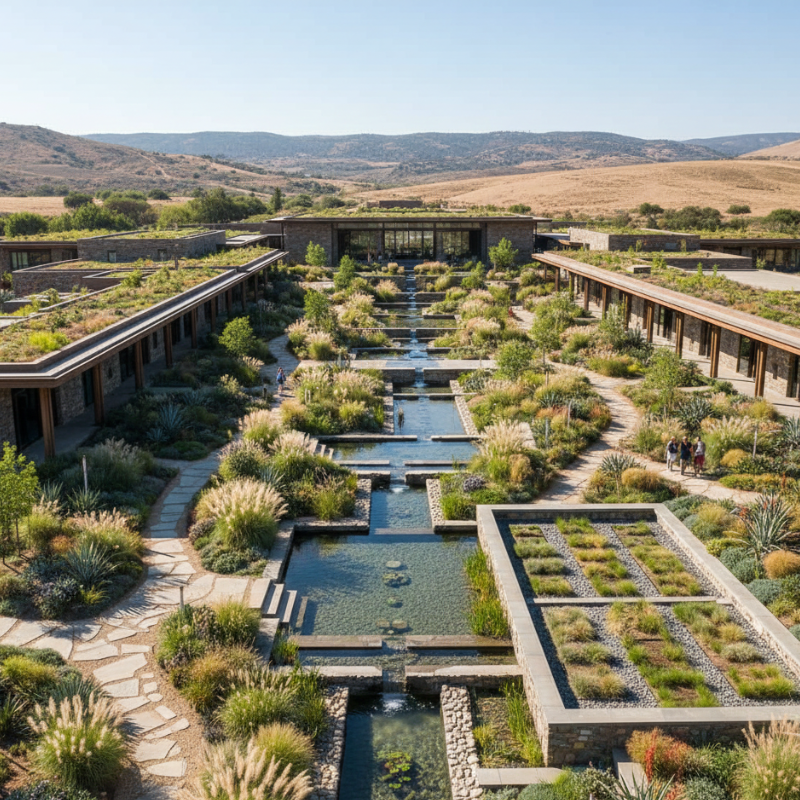
Water efficiency is a critical aspect of sustainable hospitality architecture, particularly in resort and leisure developments. Architectural planning can support water conservation through rainwater harvesting, greywater reuse, and efficient landscaping strategies.
Designing outdoor spaces with native or climate-adapted plants reduces irrigation needs while enhancing the visual connection to the local environment. For guests, these landscapes feel more authentic and integrated, strengthening the sense of place and environmental harmony.
Enhancing Guest Experience Through Sustainability

Sustainable design directly influences how guests experience a hospitality space. Natural light, open-air circulation, views of greenery, and well-integrated outdoor areas all contribute to a sense of calm and well-being.
Biophilic design principles—such as visual connections to nature, natural textures, and organic forms—are increasingly incorporated into sustainable hospitality architecture. These elements have been shown to reduce stress, improve mood, and enhance overall guest satisfaction.
Importantly, sustainability should feel seamless rather than instructional. Guests appreciate environmentally responsible spaces most when the design feels intuitive, comfortable, and thoughtfully executed.
Long-Term Value for Hospitality Developers and Operators
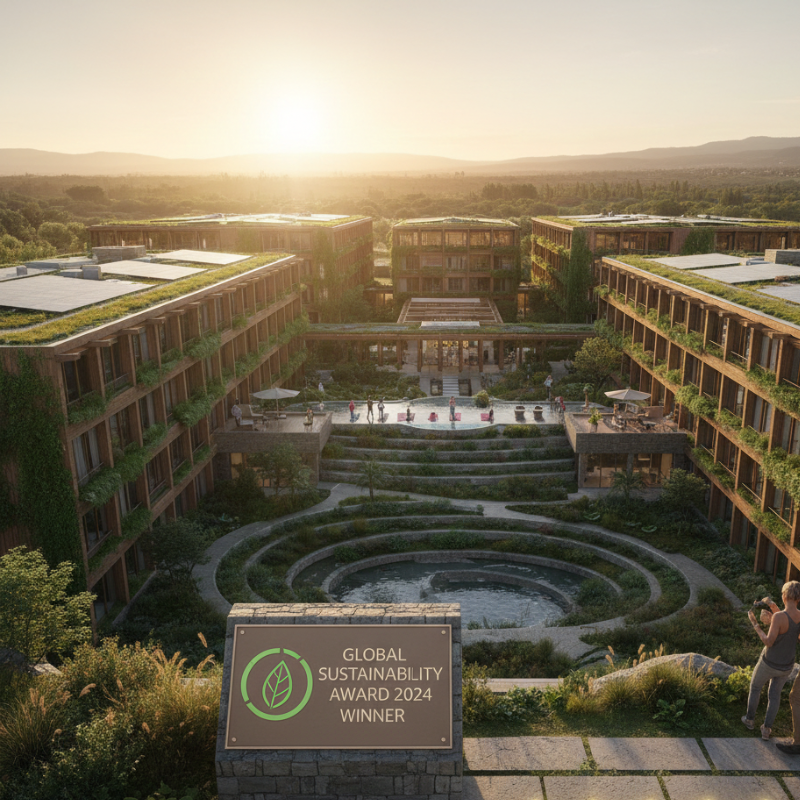
From a business perspective, sustainable architecture offers long-term advantages. Energy-efficient buildings reduce operational costs, while durable materials lower maintenance and replacement expenses. Over time, these savings can be substantial, particularly for large hospitality developments.
Sustainable buildings also tend to have stronger brand perception and market appeal. Properties that demonstrate environmental responsibility often attract repeat guests, positive reviews, and increased loyalty—factors that are critical in a competitive hospitality market.
Additionally, as regulations and environmental standards continue to evolve, sustainable design future-proofs hospitality developments against compliance risks.
Architecture as a Reflection of Responsible Luxury
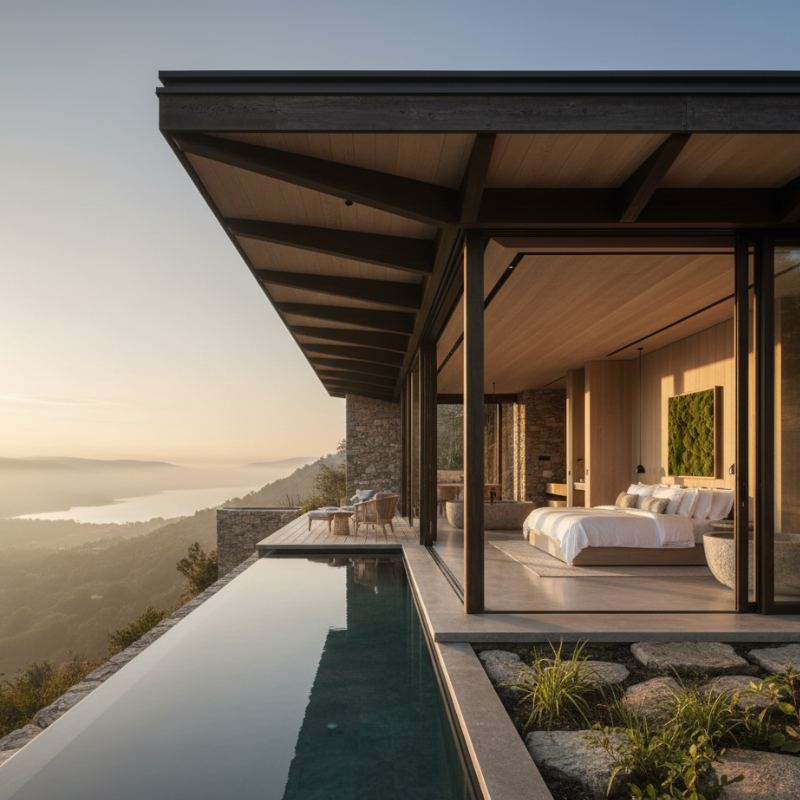
Luxury in hospitality is being redefined. Today, responsible design, environmental sensitivity, and authenticity are becoming key markers of high-end experiences. Sustainable hospitality architecture supports this shift by offering spaces that feel refined yet grounded, modern yet respectful of nature.
Guests increasingly associate sustainability with quality, care, and thoughtful design. Architecture that reflects these values strengthens emotional connections and enhances the overall perception of the brand.
Looking Ahead: The Future of Sustainable Hospitality Architecture
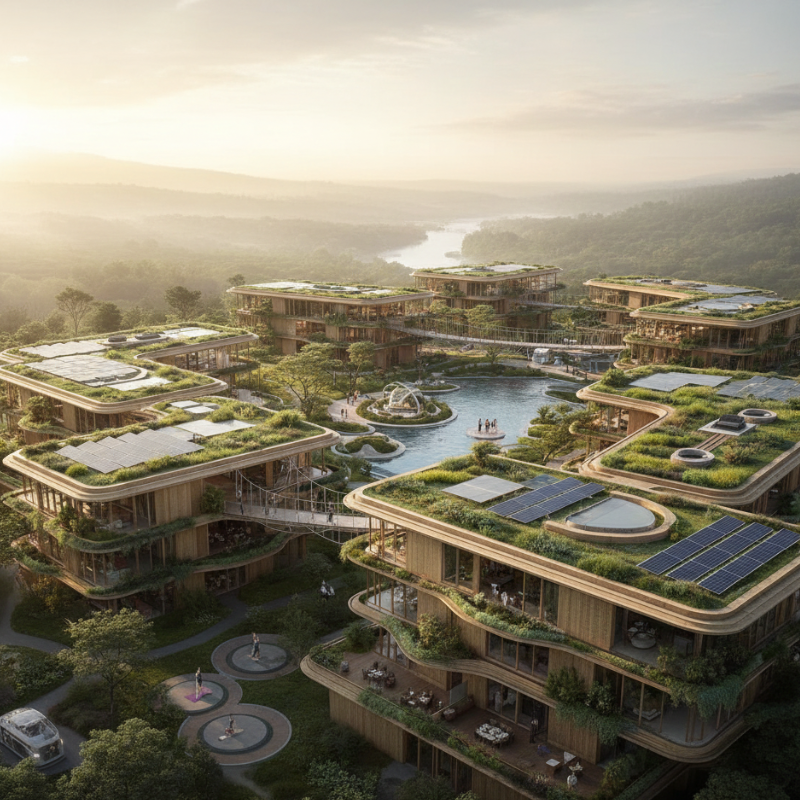
As global awareness of environmental issues grows, sustainable design will continue to shape the future of hospitality architecture. Innovations in materials, energy systems, and construction methods will further integrate sustainability into the architectural process.
However, the most successful projects will be those that view sustainability not as a checklist, but as a design philosophy—one that prioritizes balance between people, place, and performance.
Final Thoughts
Sustainable design plays a vital role in hospitality architecture by reducing environmental impact, improving operational efficiency, and enriching the guest experience. When architecture responds to climate, context, and human needs, it creates spaces that feel both responsible and rewarding.
For hospitality projects seeking long-term success, sustainability is not just an ethical choice—it is a design strategy that adds real value. Thoughtful architectural decisions today can shape memorable, future-ready hospitality experiences for years to come.
If you’re exploring ideas or inspiration for sustainable hospitality design, considering these principles early in the architectural process can lead to spaces that are both meaningful and enduring.