


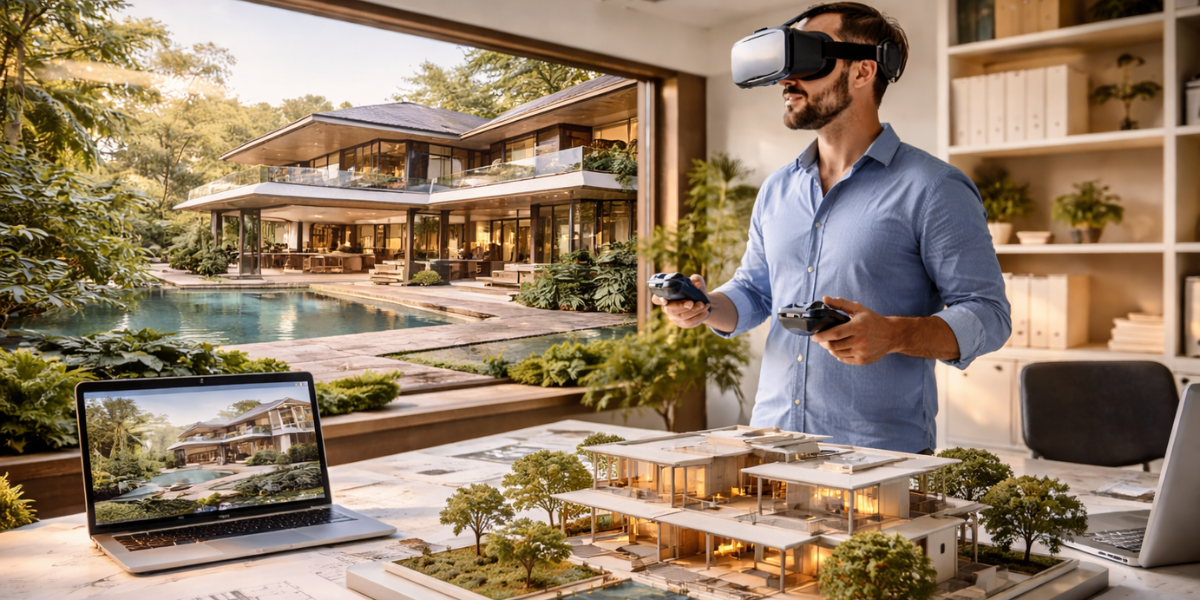
Virtual Reality (VR) is rapidly transforming the way architecture is imagined, designed, and experienced. What was once limited to drawings, physical models, and static renders has evolved into immersive environments where ideas can be explored at full scale before a single brick is laid. For architects, designers, and clients alike, VR is no longer a novelty—it is becoming a powerful tool that reshapes architectural innovation at every stage of the design process.
Rethinking the Design Process
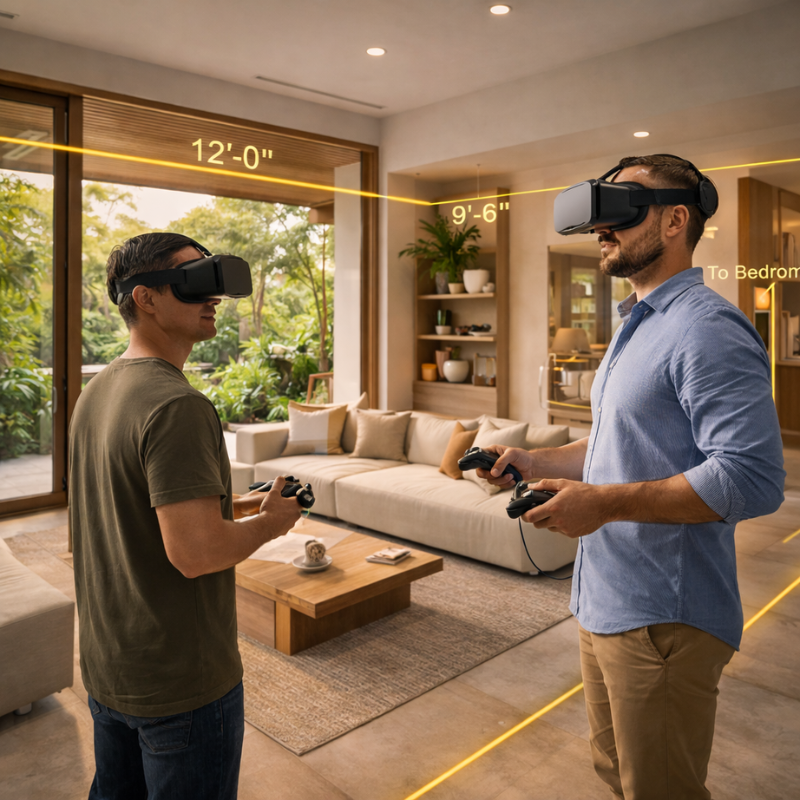
Traditional architectural workflows rely heavily on interpretation. Even with advanced 3D models, clients often struggle to fully understand spatial relationships, proportions, and material choices. Virtual reality bridges this gap by allowing users to step inside a design and experience it from a human perspective.
With VR, architects can test spatial concepts in real time. Ceiling heights, circulation paths, and sightlines can be evaluated instantly, helping teams make better decisions earlier in the design phase. This shift reduces design uncertainty and encourages more confident experimentation, leading to innovative outcomes that might not emerge through conventional methods.
Enhancing Creativity Through Immersion
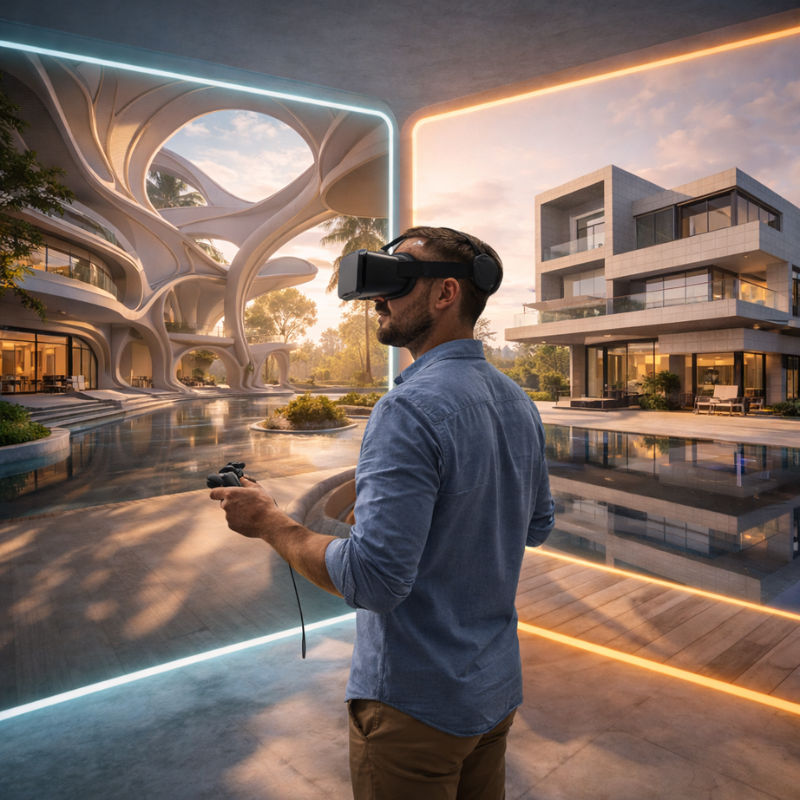
One of the most significant impacts of virtual reality on architectural innovation is its ability to unlock creativity. Immersive environments allow designers to think beyond screens and drawings, engaging directly with space as if it already exists.
VR enables architects to explore unconventional forms, materials, and layouts without the constraints of physical models or costly revisions. Designers can quickly test ideas, compare alternatives, and iterate faster. This freedom encourages risk-taking and exploration—key drivers of architectural innovation.
For emerging designers, VR also serves as a valuable learning tool. Experiencing scale, depth, and spatial flow in an immersive setting deepens design intuition and enhances understanding of how people interact with built environments.
Transforming Client Communication
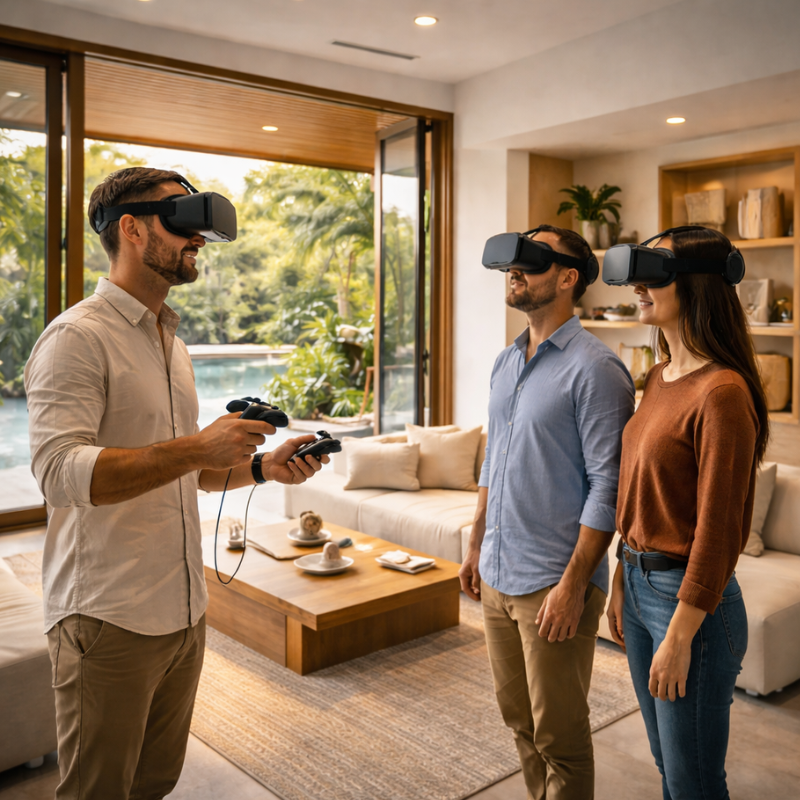
Clear communication between architects and clients is essential for successful projects. Virtual reality dramatically improves this relationship by turning abstract concepts into tangible experiences.
Instead of reviewing plans and elevations, clients can walk through their future spaces. They can explore rooms, assess natural light, and understand how materials and textures come together. This shared experience builds trust and reduces misunderstandings, leading to smoother approvals and fewer late-stage changes.
From residential projects to large commercial developments, VR helps align expectations early, saving time and resources while strengthening collaboration.
Driving Smarter Design Decisions
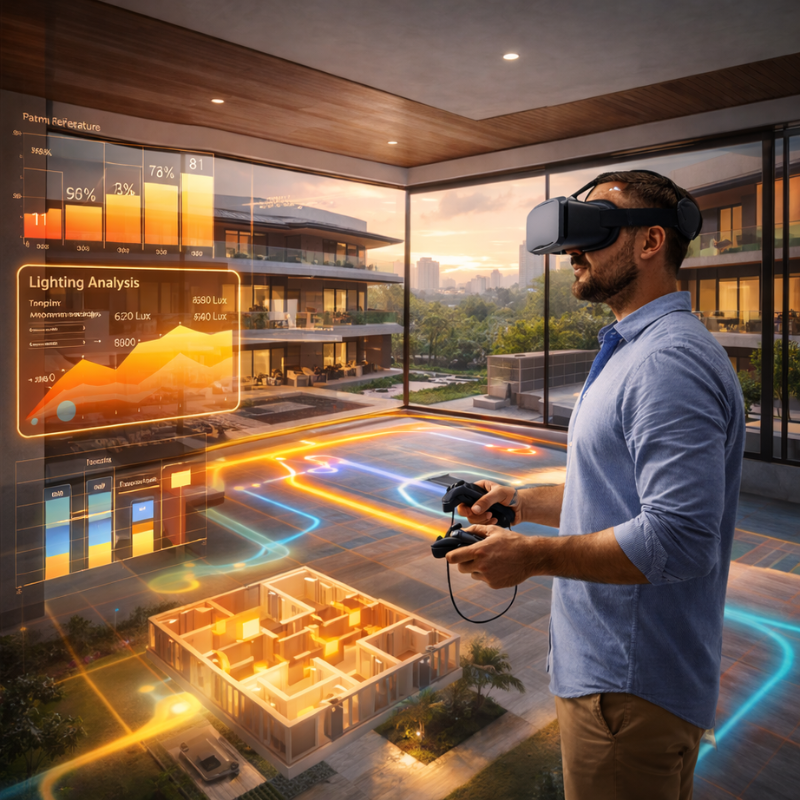
Virtual reality is not only about visual impact—it is also a tool for better decision-making. By simulating real-world conditions, architects can evaluate how spaces function before construction begins.
Lighting studies, circulation efficiency, and spatial comfort can be assessed within VR environments. Designers can identify potential issues such as poor visibility, awkward transitions, or underutilized areas and address them proactively. This level of insight supports more thoughtful, user-centered architecture.
When paired with data-driven design tools, VR can further enhance performance-based decisions, contributing to buildings that are more efficient, comfortable, and responsive to human needs.
Supporting Sustainable and Responsible Design
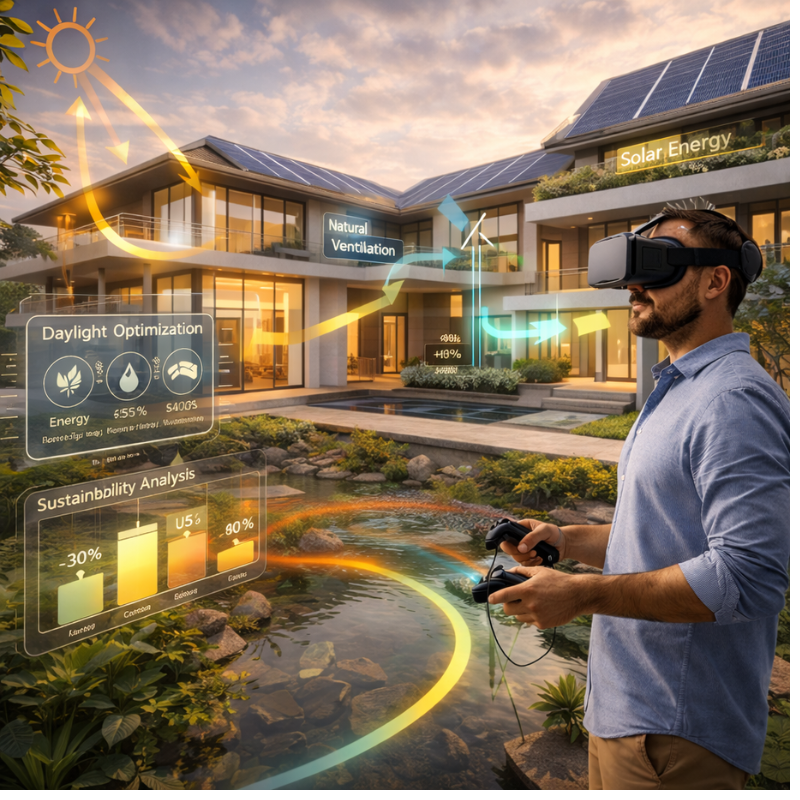
Sustainability is a growing priority in contemporary architecture, and virtual reality plays an important role in supporting responsible design choices. VR allows architects to visualize passive design strategies, such as natural ventilation, daylight penetration, and spatial orientation, in a realistic context.
By understanding how a building responds to its environment, design teams can make informed choices that reduce energy consumption and environmental impact. VR also helps communicate sustainability concepts to clients in an accessible way, encouraging more environmentally conscious decisions.
This ability to visualize long-term outcomes reinforces innovation that balances aesthetics, performance, and responsibility.
Redefining Architectural Presentation and Marketing
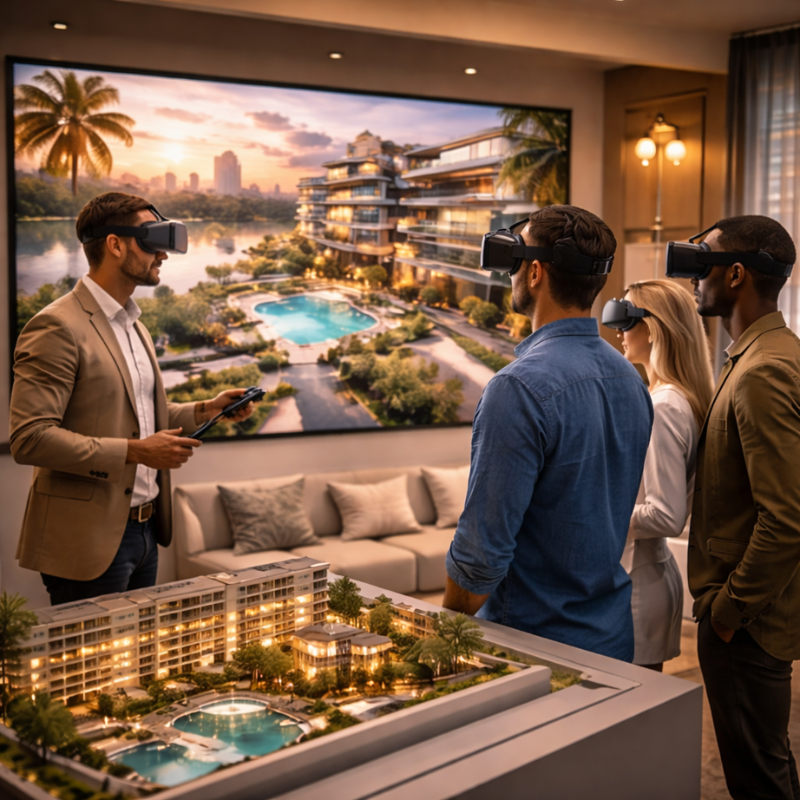
Beyond design and planning, virtual reality is changing how architectural projects are presented and marketed. VR walkthroughs provide a compelling way to showcase unbuilt spaces, making them particularly valuable for real estate developments, competitions, and public consultations.
Immersive presentations allow stakeholders to experience projects emotionally, not just intellectually. This emotional connection often influences decision-making, investment interest, and public engagement. As a result, VR is becoming an essential storytelling tool within architectural innovation.
Challenges and the Path Forward
While virtual reality offers immense potential, it also presents challenges. Hardware costs, technical expertise, and integration into existing workflows can be barriers, particularly for smaller practices. However, as VR technology becomes more accessible and intuitive, these limitations are gradually diminishing.
The future of architectural innovation lies in seamless integration—where VR works alongside traditional tools rather than replacing them. As architects become more fluent in immersive technologies, VR will continue to evolve from a presentation tool into a core component of design thinking.
The Future of Innovation in Architecture
Virtual reality is reshaping architecture by making design more experiential, collaborative, and informed. It empowers architects to explore ideas with greater clarity, engage clients more effectively, and create spaces that respond thoughtfully to human experience.
At Ideas for Architecture, we explore how emerging technologies like virtual reality are redefining the future of design. If you’re interested in innovative architectural thinking and the tools shaping tomorrow’s built environments, explore more of our insights and projects. Innovation begins with imagination—and VR is helping architects bring it to life.