


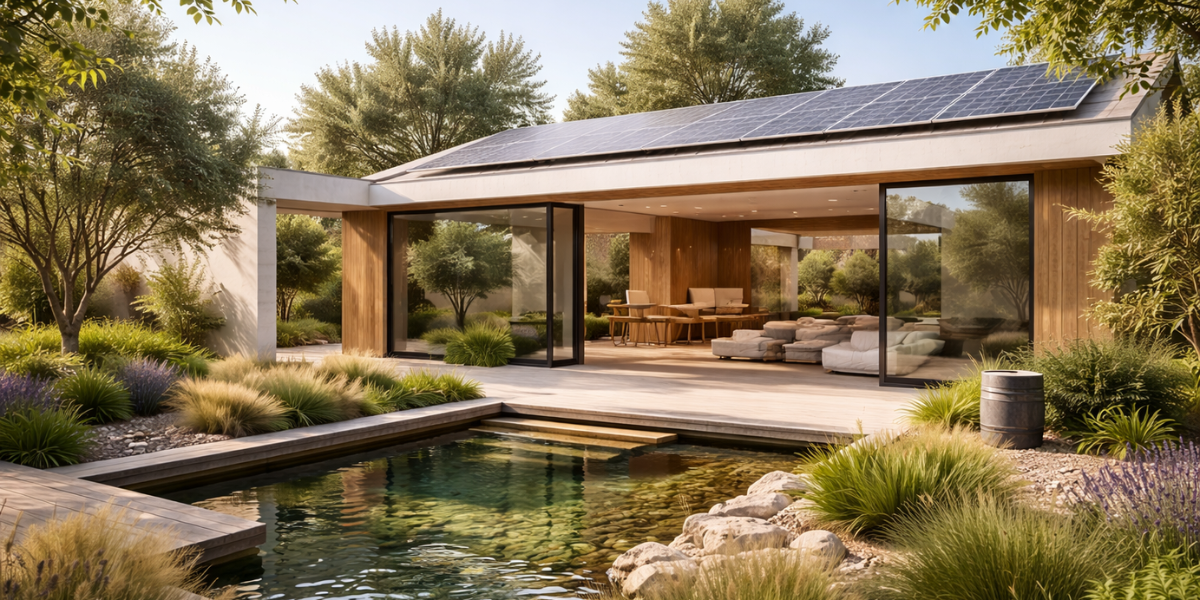
Sustainable residential architecture is no longer a niche concept reserved for experimental homes or eco-enthusiasts. It has become a defining direction for how we design, build, and inhabit living spaces in a rapidly changing world. As climate awareness grows and lifestyles evolve, homeowners and architects alike are rethinking what it truly means to live well—placing environmental responsibility, efficiency, and long-term comfort at the center of residential design.
At its heart, sustainable residential architecture is about balance: creating homes that respect natural systems while enhancing everyday life.
Redefining Sustainability in Residential Design
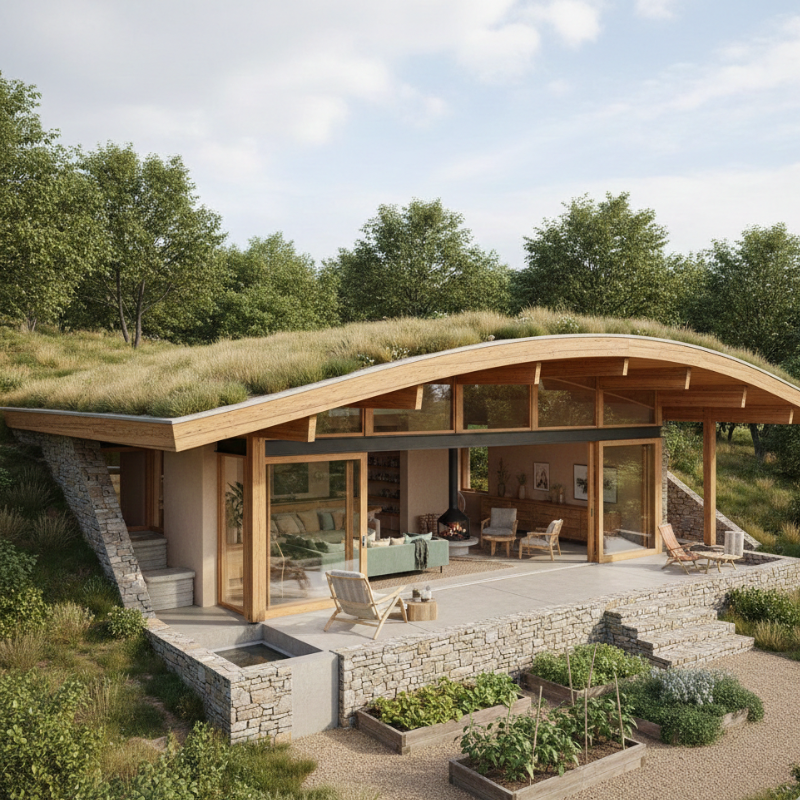
Sustainability in architecture goes beyond adding solar panels or using recycled materials. It begins with thoughtful planning and a deep understanding of how a home interacts with its environment. Orientation, climate responsiveness, material selection, and spatial efficiency all play critical roles.
Well-designed sustainable homes reduce energy consumption, minimize waste, and promote healthier living environments. At the same time, they offer architectural quality, warmth, and timeless appeal—proving that sustainability and aesthetics can coexist seamlessly.
Passive Design: Working With Nature, Not Against It
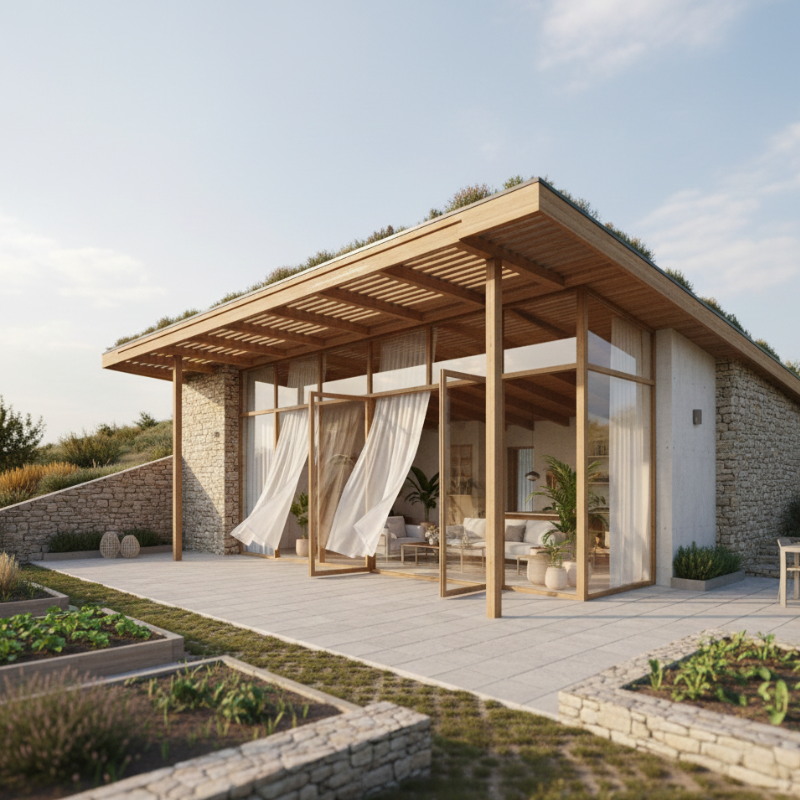
One of the cornerstones of sustainable residential architecture is passive design. Rather than relying heavily on mechanical systems, passive strategies use natural forces to maintain comfort throughout the year.
Key principles include:
- Orienting homes to maximize natural daylight
- Encouraging cross-ventilation for cooling
- Using shading devices to control heat gain
- Designing thermal mass to stabilize indoor temperatures
These strategies reduce reliance on artificial heating, cooling, and lighting, resulting in lower energy use and a more comfortable living experience. Importantly, passive design also reconnects occupants with natural rhythms—light, air, and seasonal change.
Materials That Matter
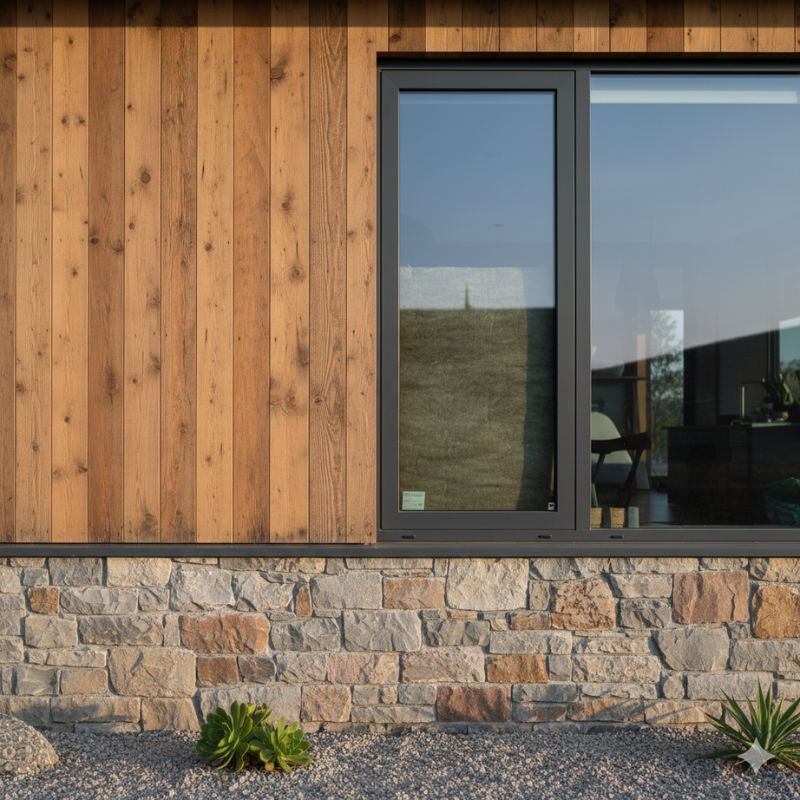
Material selection plays a vital role in sustainable residential architecture. Modern eco-conscious homes favor materials that are durable, low-impact, and responsibly sourced.
Commonly used sustainable materials include:
- Timber from certified forests
- Natural stone and locally sourced masonry
- Recycled or low-carbon concrete alternatives
- High-performance glazing and insulation systems
Beyond environmental performance, these materials contribute to tactile quality and visual warmth. Natural textures age gracefully, allowing homes to develop character over time rather than appearing dated or worn.
Energy Efficiency and Smart Systems
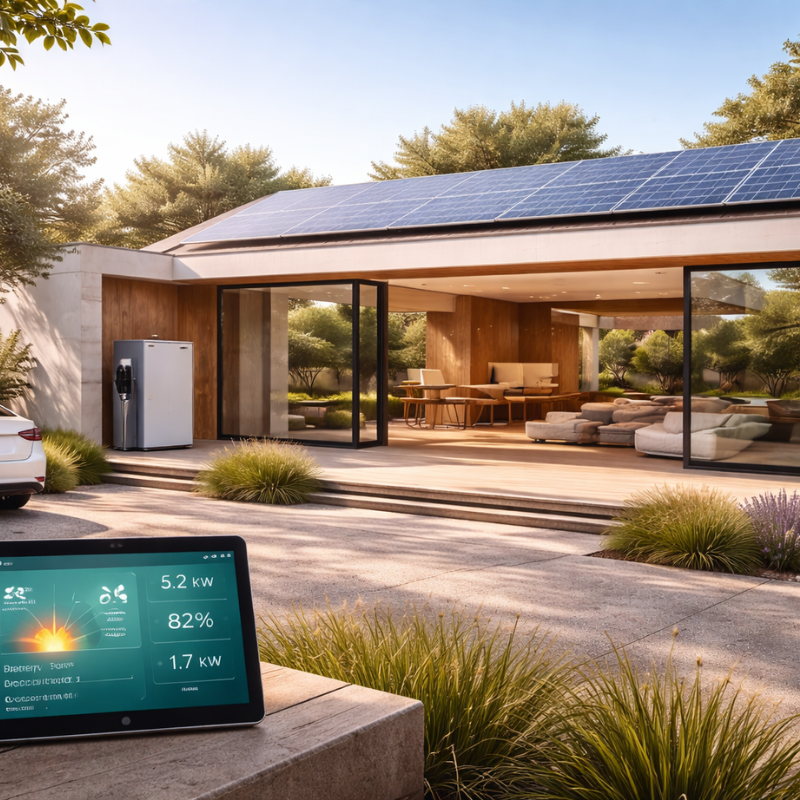
Sustainable residential design increasingly integrates energy-efficient technologies that complement architectural intent. Solar panels, energy storage systems, and high-efficiency appliances are now standard features rather than optional upgrades.
Smart home systems further enhance sustainability by allowing occupants to monitor and optimize energy use in real time. Automated lighting, climate control, and water management systems help reduce waste while improving convenience.
When technology is thoughtfully integrated, it supports sustainable living without overwhelming the architectural experience.
Water-Sensitive Residential Architecture
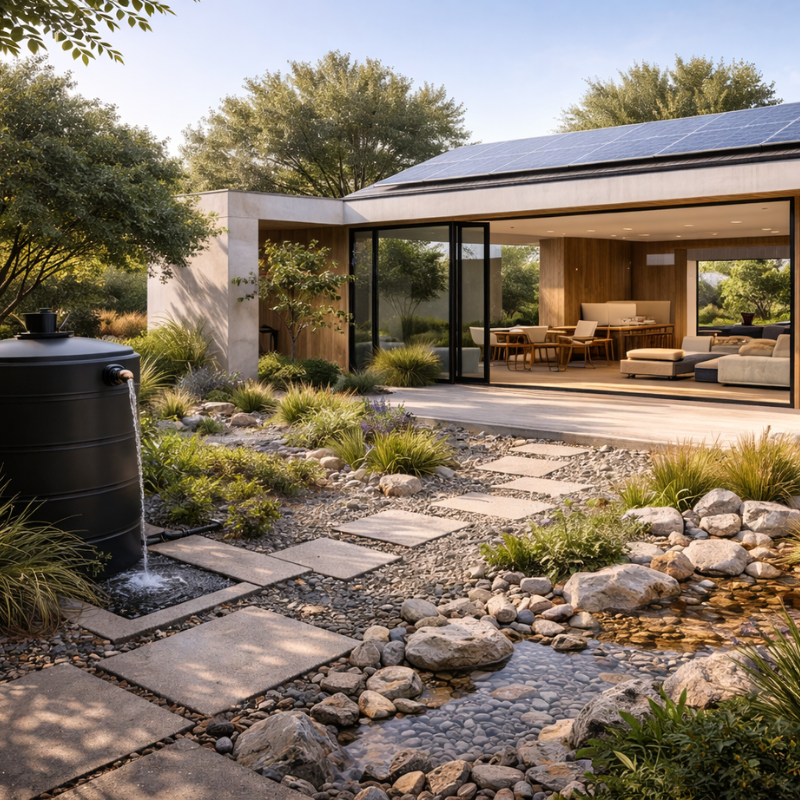
As water scarcity becomes a growing concern, sustainable homes are designed to use water more responsibly. Rainwater harvesting, greywater recycling, and water-efficient fixtures are essential components of eco-living.
Landscape design also plays a key role. Native and drought-tolerant planting reduces irrigation needs, while permeable surfaces help manage stormwater naturally. These strategies create resilient homes that respond intelligently to their surroundings.
Designing for Longevity and Adaptability
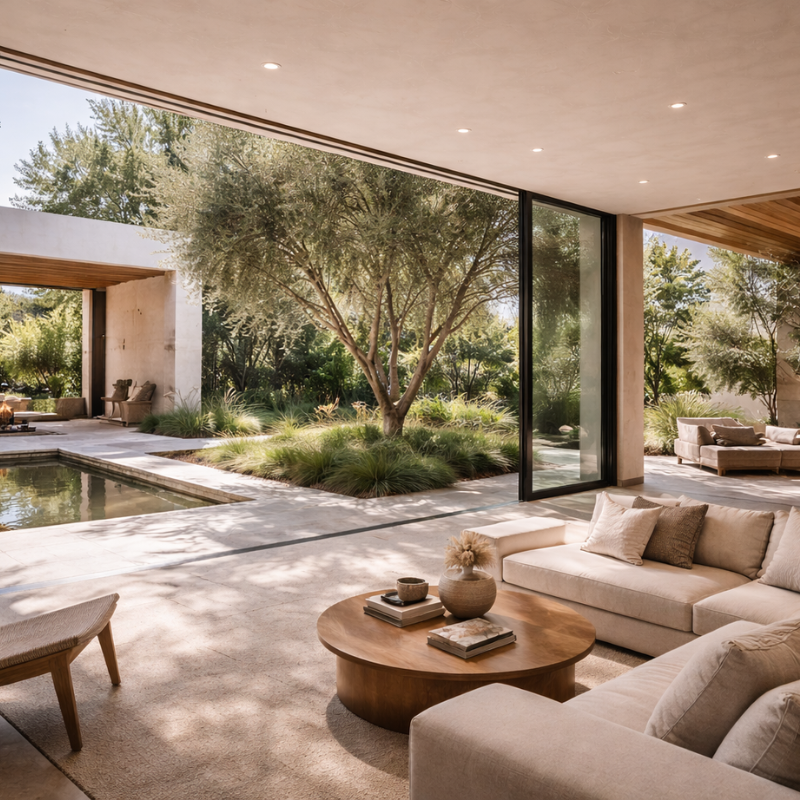
True sustainability extends beyond energy performance—it includes designing homes that remain relevant and functional for decades. Flexible layouts, adaptable spaces, and durable construction ensure that homes can evolve with changing family needs and lifestyles.
Multi-functional rooms, modular design elements, and thoughtful storage solutions allow residents to use space more efficiently over time. This adaptability reduces the need for frequent renovations or rebuilds, lowering material waste and environmental impact.
Health, Comfort, and Well-Being
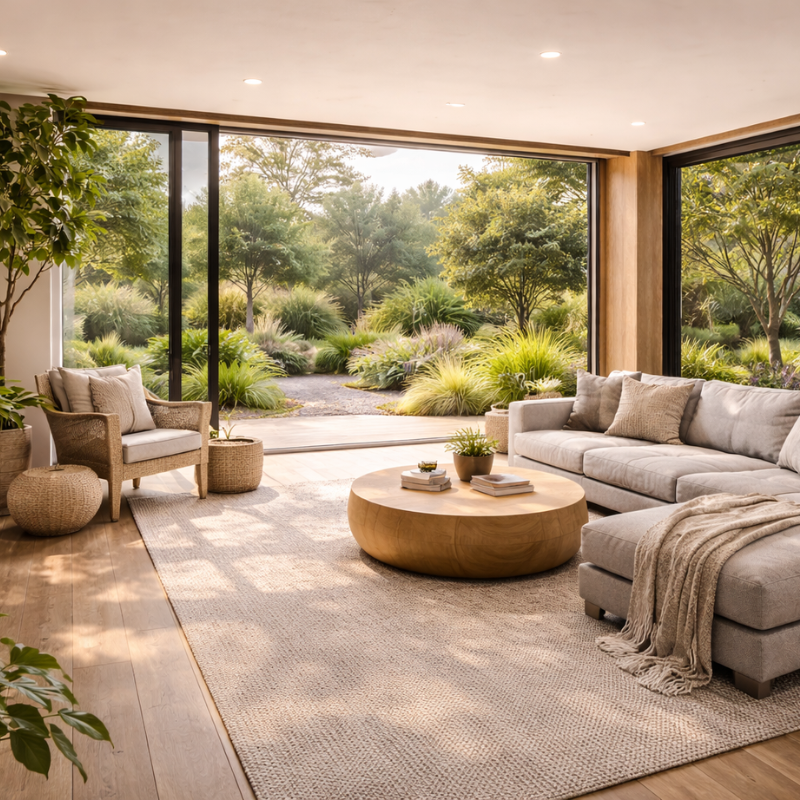
Sustainable residential architecture prioritizes human well-being alongside environmental responsibility. Improved indoor air quality, natural lighting, acoustic comfort, and visual connection to nature all contribute to healthier living environments.
Studies consistently show that homes designed with daylight, greenery, and natural ventilation support mental and physical well-being. Sustainable architecture recognizes that eco-living is not just about reducing harm but about enhancing quality of life.
Urban Sustainability and the Future of Housing
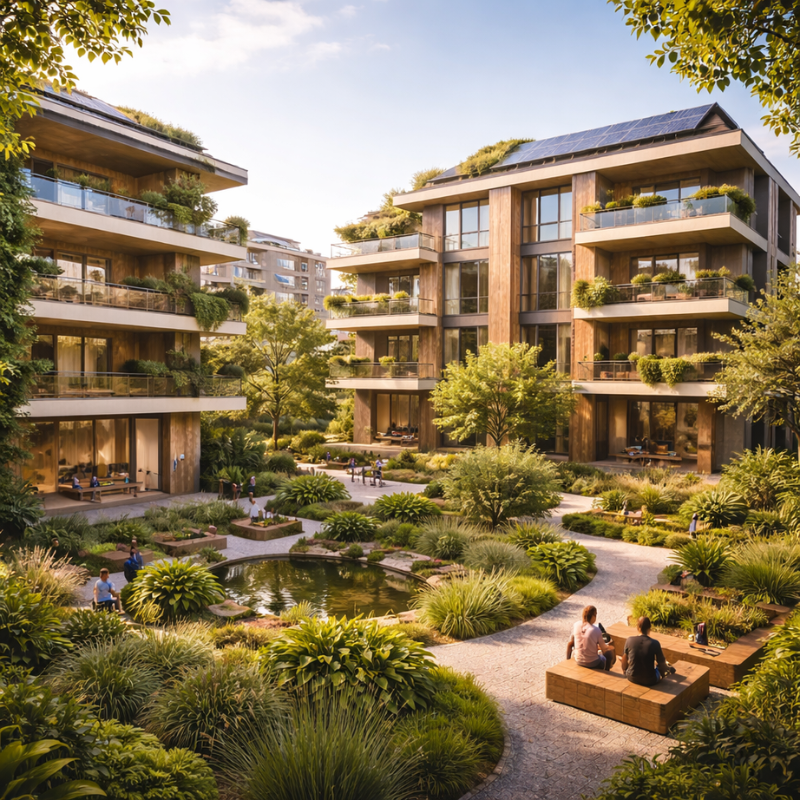
As urban populations grow, sustainable residential architecture will play an increasingly important role in shaping cities. Compact footprints, shared green spaces, and energy-efficient multi-residential developments are becoming essential responses to density and resource constraints.
Future-focused residential architecture will likely incorporate prefabrication, circular material systems, and climate-responsive urban planning. These innovations aim to reduce construction waste while delivering high-quality housing at scale.
The Future of Eco-Living
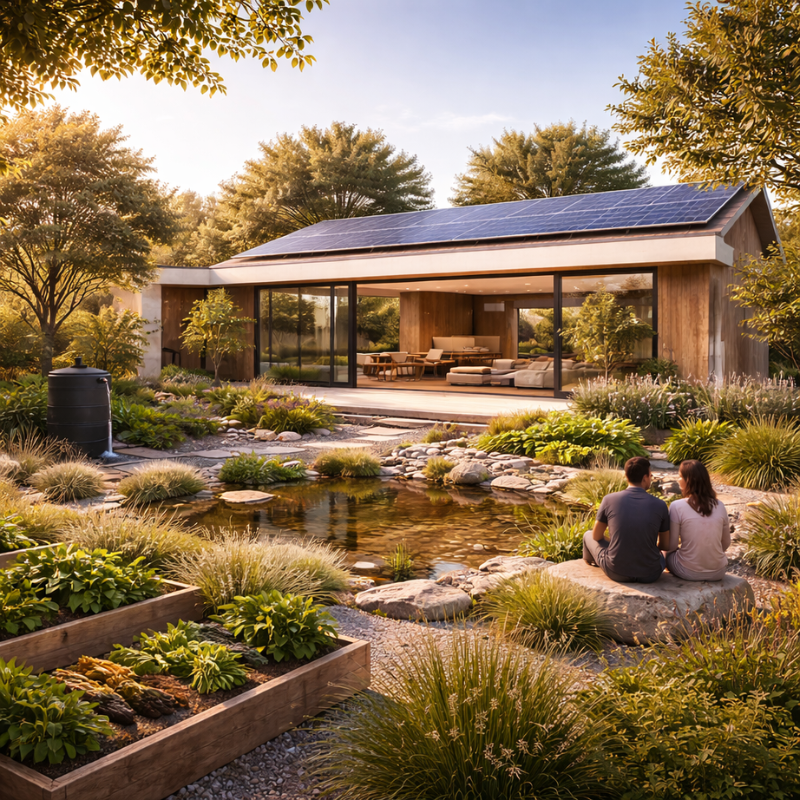
Sustainable residential architecture represents a shift in mindset—from consumption to stewardship, from short-term solutions to long-term thinking. Homes are no longer isolated objects but active participants in broader ecological and social systems.
As technology advances and environmental awareness deepens, eco-living will become less about compromise and more about opportunity. Sustainable homes offer comfort, resilience, and a deeper connection to place—qualities that are increasingly valued in contemporary living.
Final Thoughts
The future of residential architecture lies in thoughtful, sustainable design that respects both people and the planet. By integrating passive strategies, responsible materials, smart systems, and adaptable layouts, sustainable homes set a new standard for how we live.
At Ideas for Architecture, we explore architectural concepts that look beyond trends and focus on meaningful, future-ready design. If you’re inspired by sustainable living and innovative residential architecture, continue exploring our ideas and perspectives—because the future of eco-living is being designed today.