


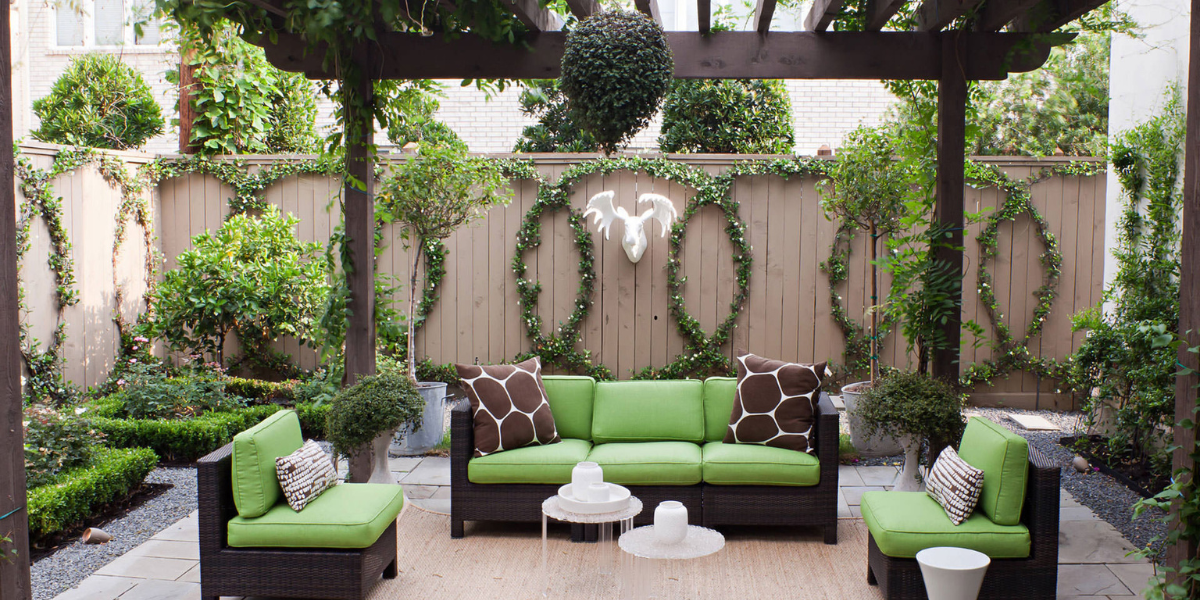
As homeowners and designers become more conscious of environmental impact, sustainable landscaping has emerged as a smart and responsible way to design outdoor spaces. Beyond aesthetics, eco-friendly landscaping focuses on reducing water consumption, supporting local ecosystems, lowering maintenance needs, and creating healthier environments for both people and nature.
Whether you’re planning a new garden or upgrading an existing one, sustainable landscaping allows you to design a beautiful outdoor space that aligns with modern environmental values—without compromising on style or functionality.
What Is Sustainable Landscaping?
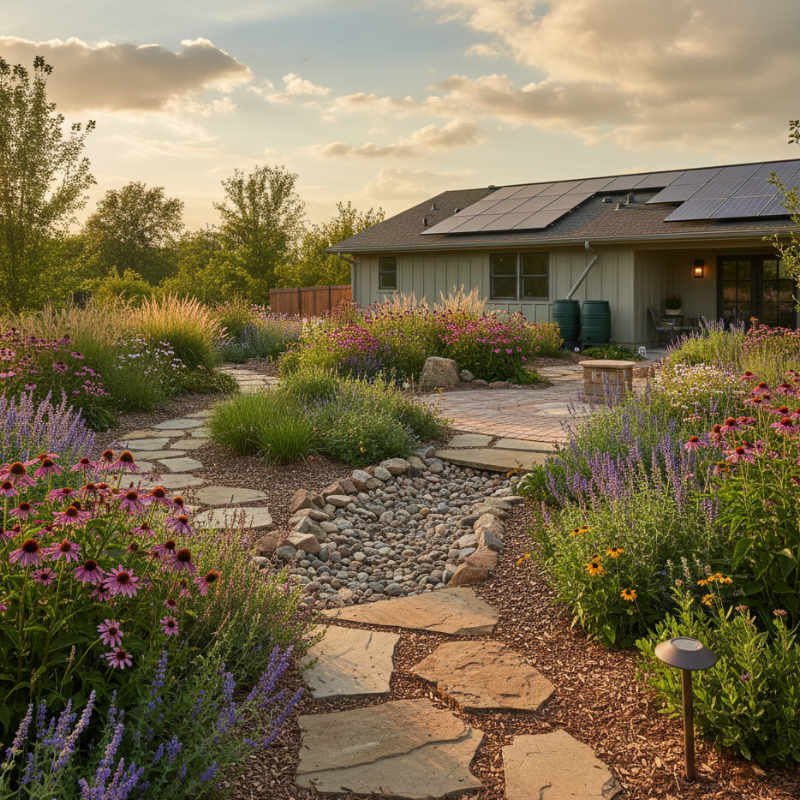
Sustainable landscaping is the practice of designing, building, and maintaining outdoor spaces in a way that minimizes environmental harm while maximizing long-term efficiency. It considers factors such as soil health, water usage, plant selection, materials, and energy consumption.
Instead of relying on high-maintenance lawns or water-intensive plants, sustainable landscapes work with the local climate and natural systems, not against them.
Choose Native and Climate-Appropriate Plants
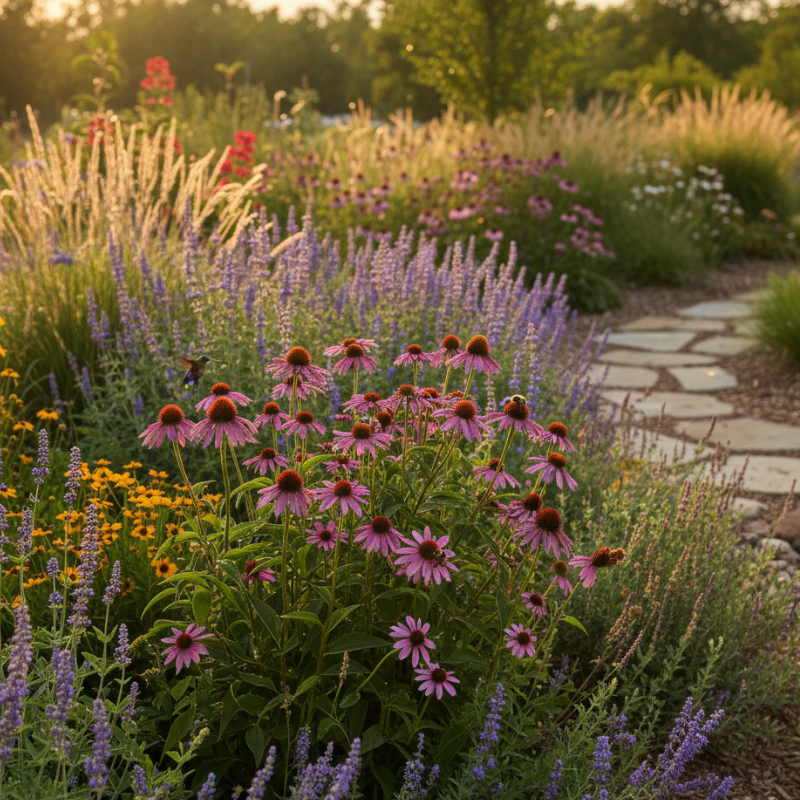
One of the most effective sustainable landscaping ideas is using native and climate-adapted plants. These plants are naturally suited to local weather conditions, meaning they require less water, fertilizer, and pest control.
Native plants also support local biodiversity by attracting pollinators like bees, butterflies, and birds. Over time, they help restore ecological balance while keeping your garden vibrant and resilient.
Benefits include:
- Lower water usage
- Reduced maintenance costs
- Improved soil and ecosystem health
Design for Water Efficiency
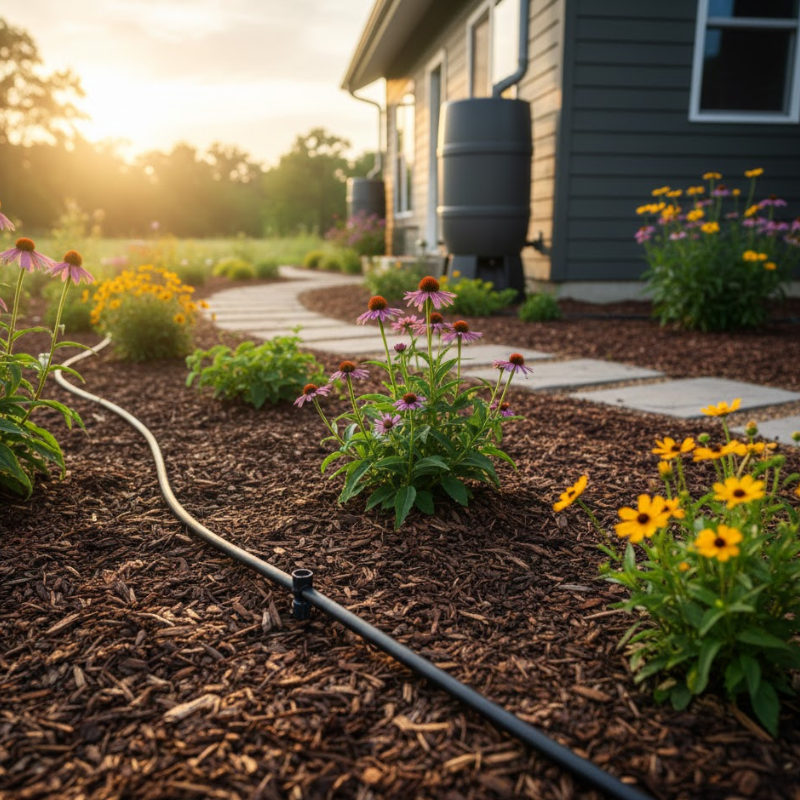
Water-efficient landscaping is a cornerstone of sustainability. Instead of traditional lawns that demand frequent irrigation, consider alternatives that reduce water waste.
Smart Water-Saving Strategies
- Install drip irrigation systems to deliver water directly to plant roots.
- Group plants with similar water needs together.
- Use rainwater harvesting systems to collect and reuse rainwater
- Apply organic mulch to retain moisture and regulate soil temperature.
These methods not only conserve water but also reduce utility bills and maintenance effort over time.
Replace High-Maintenance Lawns
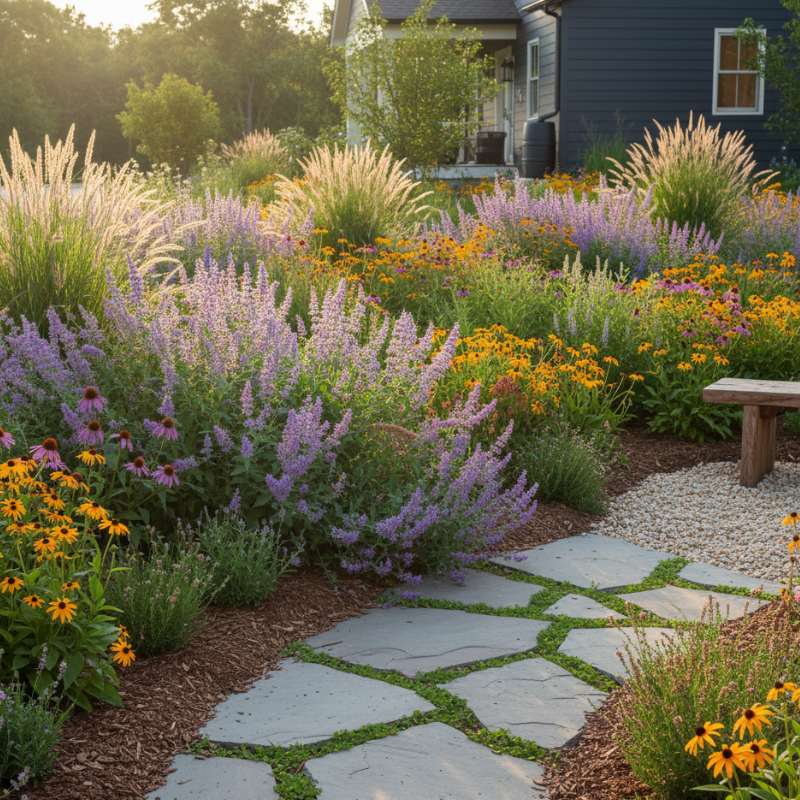
Traditional grass lawns are one of the least sustainable landscaping elements. They consume large amounts of water, fertilizer, and energy for mowing.
Eco-friendly alternatives include:
- Native ground covers
- Decorative gravel or stone gardens
- Low-growing meadow-style planting
- Permeable paving with planted joints
These options maintain visual appeal while significantly lowering environmental impact.
Improve Soil Health Naturally
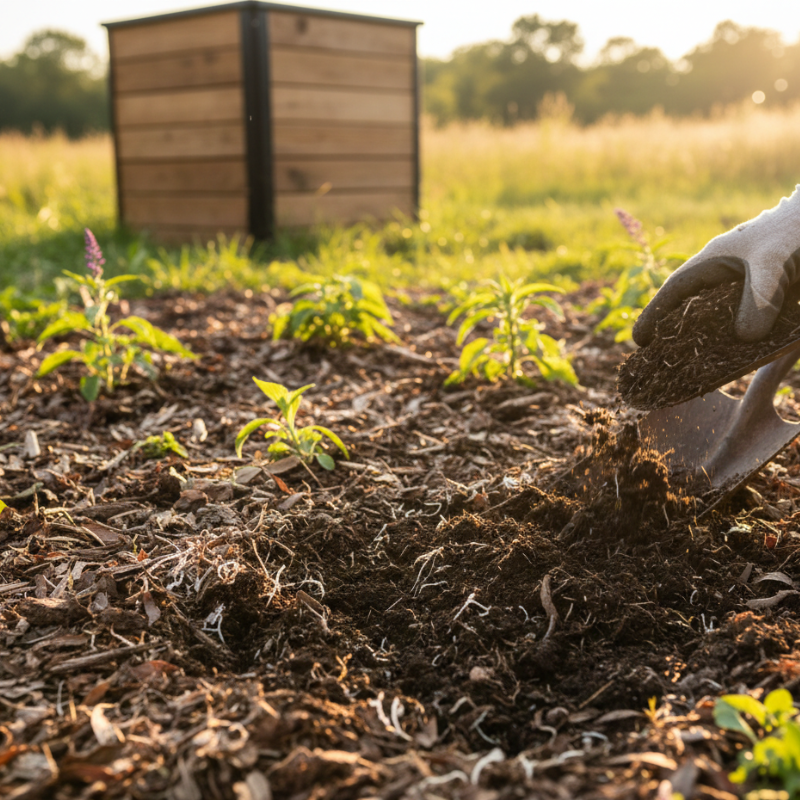
Healthy soil is the foundation of a sustainable landscape. Instead of relying on chemical fertilizers, focus on improving soil naturally.
Eco-friendly soil practices include:
- Adding compost and organic matter
- Avoiding chemical pesticides and herbicides
- Encouraging beneficial microorganisms
- Using natural mulch from bark or leaf litter
Healthy soil improves plant growth, reduces erosion, and enhances water absorption, making your outdoor space more self-sustaining.
Use Sustainable and Recycled Materials
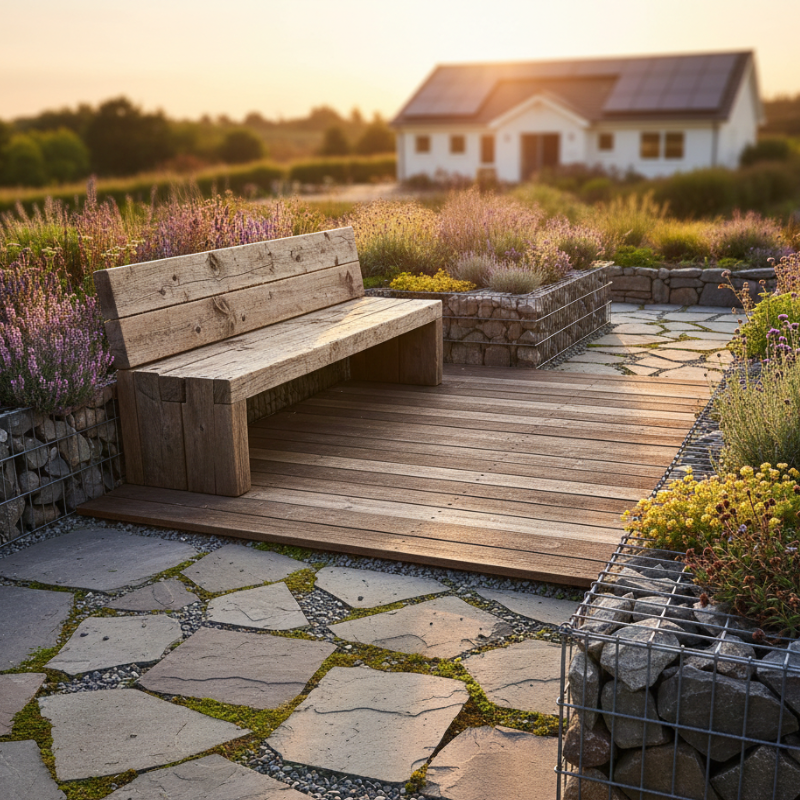
Material choice plays a big role in eco-friendly outdoor design. Opt for sustainable, recycled, or locally sourced materials whenever possible.
Examples include:
- Reclaimed timber for decks or garden furniture
- Recycled concrete or stone for pathways
- Permeable pavers to reduce runoff
- Natural stone instead of synthetic materials
These choices lower carbon footprint while adding character and durability to your landscape.
Encourage Biodiversity Through Design
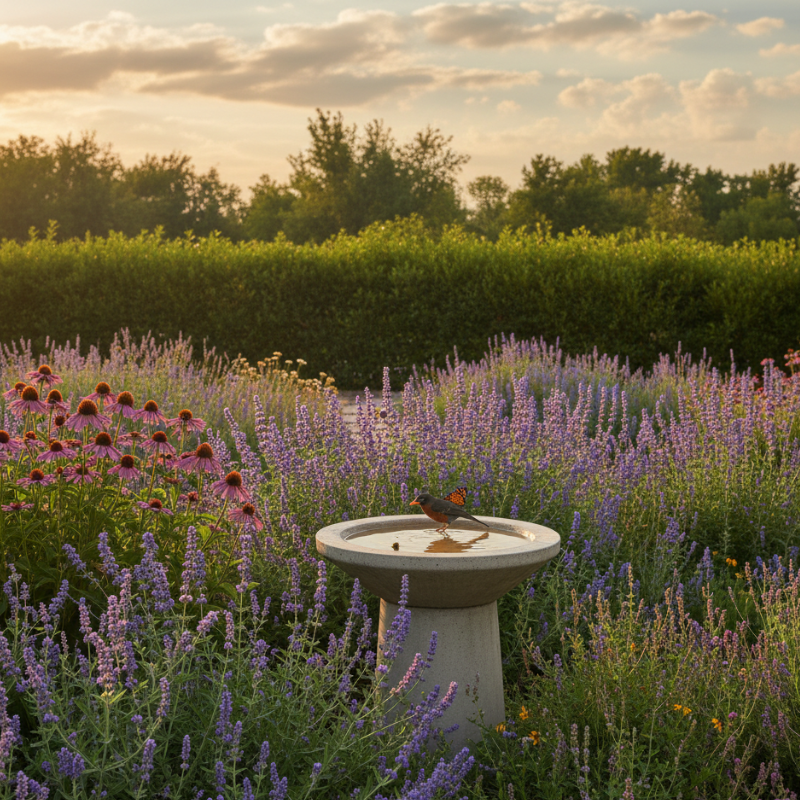
A sustainable outdoor space should support life beyond just plants. Thoughtful landscaping can encourage wildlife while maintaining a clean, modern look.
Simple biodiversity-friendly features:
- Bird baths or shallow water bowls
- Pollinator-friendly flowering plants
- Shrubs and hedges for shelter
- Reduced night lighting to protect insects
A biodiverse garden feels alive, dynamic, and naturally balanced—qualities that enhance the outdoor experience.
Plan for Long-Term Maintenance
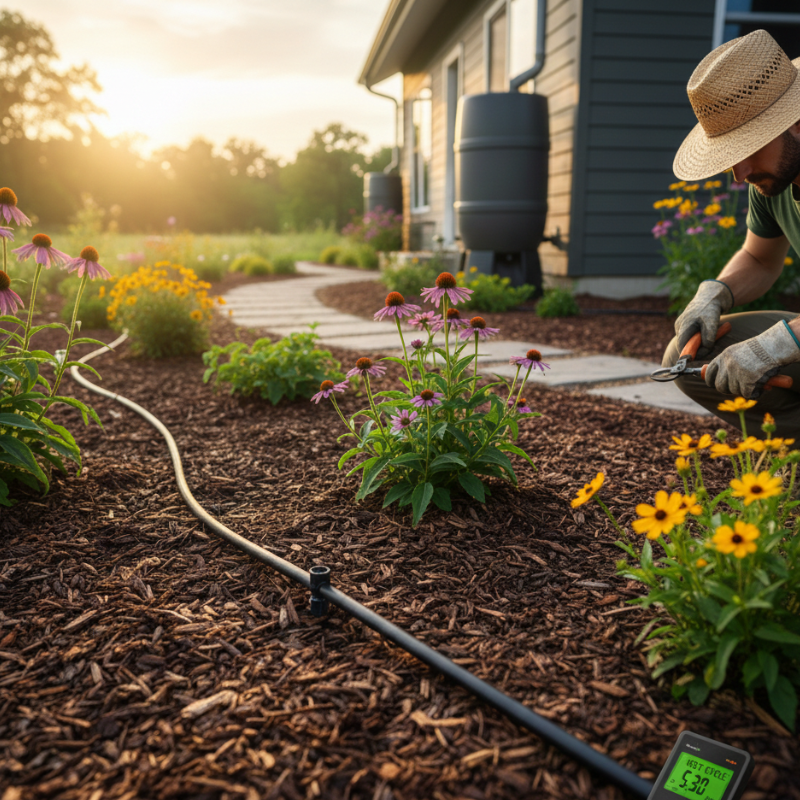
True sustainability isn’t just about installation—it’s about long-term efficiency. Low-maintenance landscaping reduces resource consumption over time and keeps your outdoor space looking great with minimal effort.
Design choices that support longevity:
- Durable materials that age well
- Plants that grow at manageable rates
- Automated irrigation with timers
- Thoughtful spacing to prevent overcrowding
By planning ahead, you avoid constant redesigns and excessive upkeep.
Sustainable Landscaping Adds Property Value
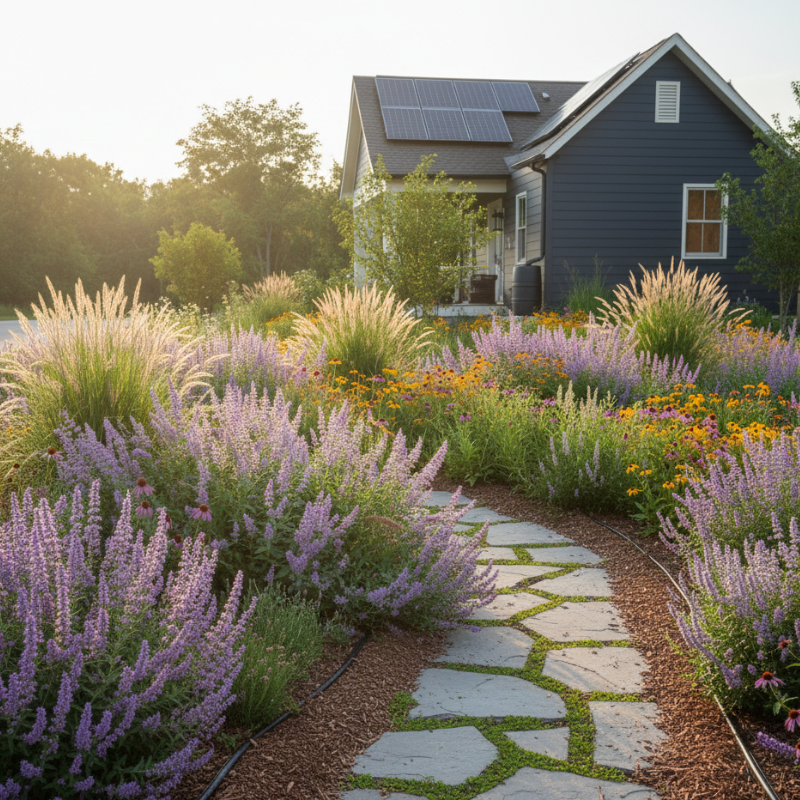
Eco-friendly landscaping is not just good for the environment—it’s also attractive to modern buyers. Sustainable outdoor spaces are increasingly seen as valuable assets that reflect smart design, reduced running costs, and environmental responsibility.
A well-designed sustainable landscape can:
- Improve curb appeal
- Reduce long-term maintenance expenses
- Enhance outdoor usability
- Align with future-focused living trends
Final Thoughts
Sustainable landscaping is more than a trend—it’s a thoughtful approach to outdoor design that balances beauty, function, and environmental responsibility. By choosing native plants, conserving water, improving soil health, and using sustainable materials, you can create an eco-friendly outdoor space that thrives naturally and lasts for years.
If you’re exploring ideas to design or upgrade your outdoor environment, embracing sustainable landscaping principles is a meaningful step toward smarter, greener living. Thoughtful design today can shape healthier outdoor spaces for tomorrow—starting right in your own landscape.