


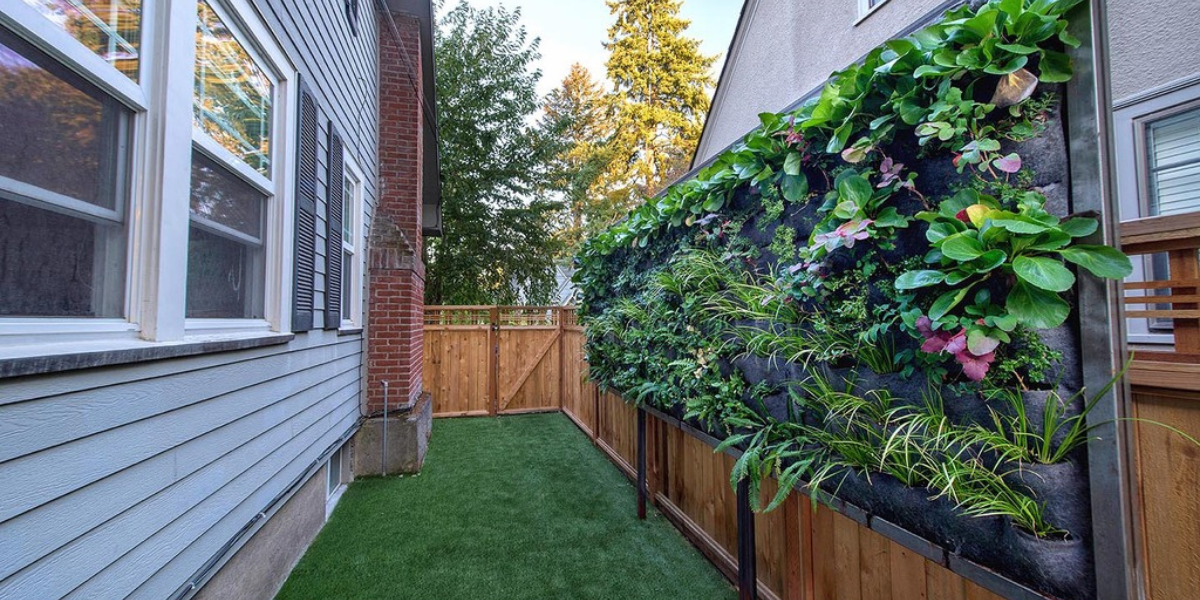
Small gardens come with unique challenges—but also exciting opportunities. Limited space doesn’t mean limited creativity. With the right design approach, even the smallest garden or yard can feel open, functional, and visually striking. Whether you’re working with a compact backyard, a narrow side yard, or a modest courtyard, smart planning and thoughtful design choices can completely transform the space.
Below are practical and inspiring small garden design ideas that help you make the most of every square meter, without overcrowding or compromising on style.
Start With a Clear Purpose
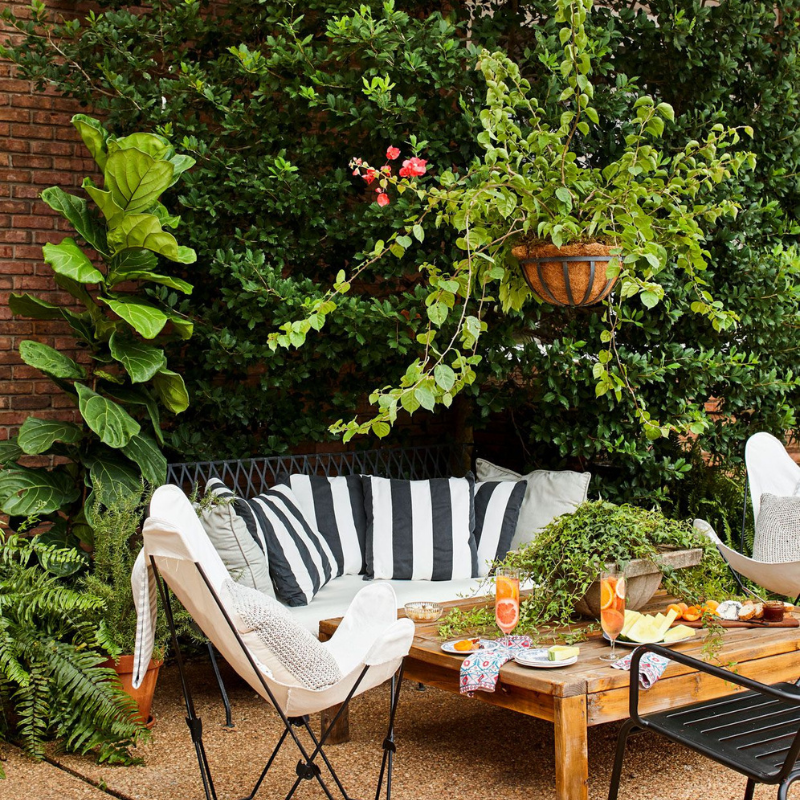
Before choosing plants or materials, define how you want to use the space. Is your garden meant for relaxing, entertaining, growing plants, or simply improving the view from indoors?
A small garden works best when it serves one or two clear purposes rather than trying to do everything at once. For example, a seating nook paired with greenery often feels more balanced than squeezing in a lawn, dining area, storage, and plants all together. Purpose-driven design keeps the layout clean and intentional.
Think Vertical, Not Just Horizontal
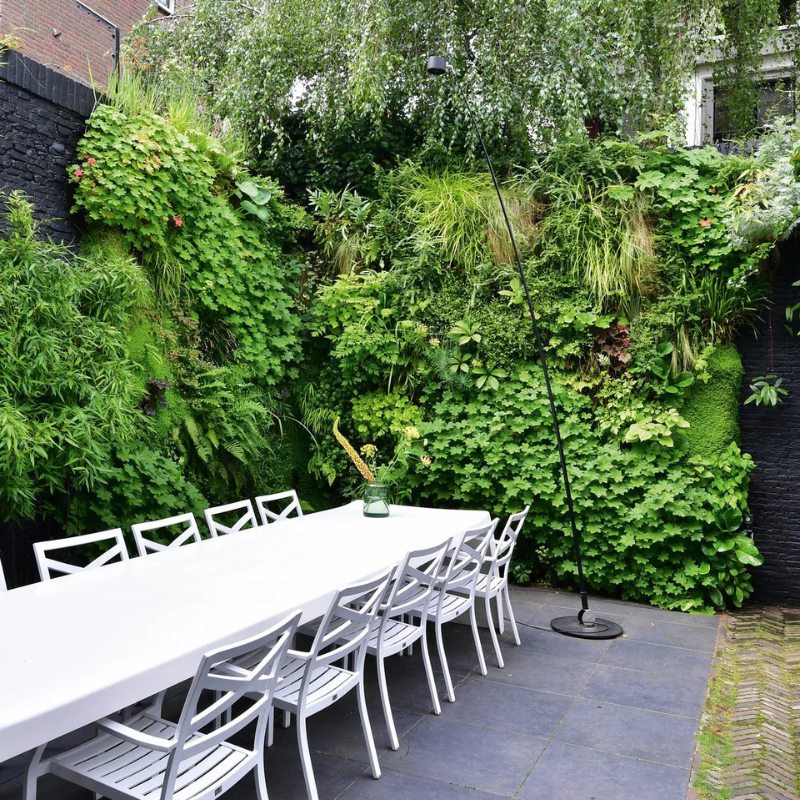
One of the most effective ways to maximize space is to design upwards. Vertical gardening allows you to add greenery without taking up valuable ground area.
Wall-mounted planters, trellises, climbing plants, and green walls are perfect for small gardens. They soften hard surfaces, add depth, and draw the eye upward—making the space feel taller and more expansive. Even simple hanging pots or slim shelving units can add visual interest while keeping the floor clear.
Choose the Right Plants for Small Spaces
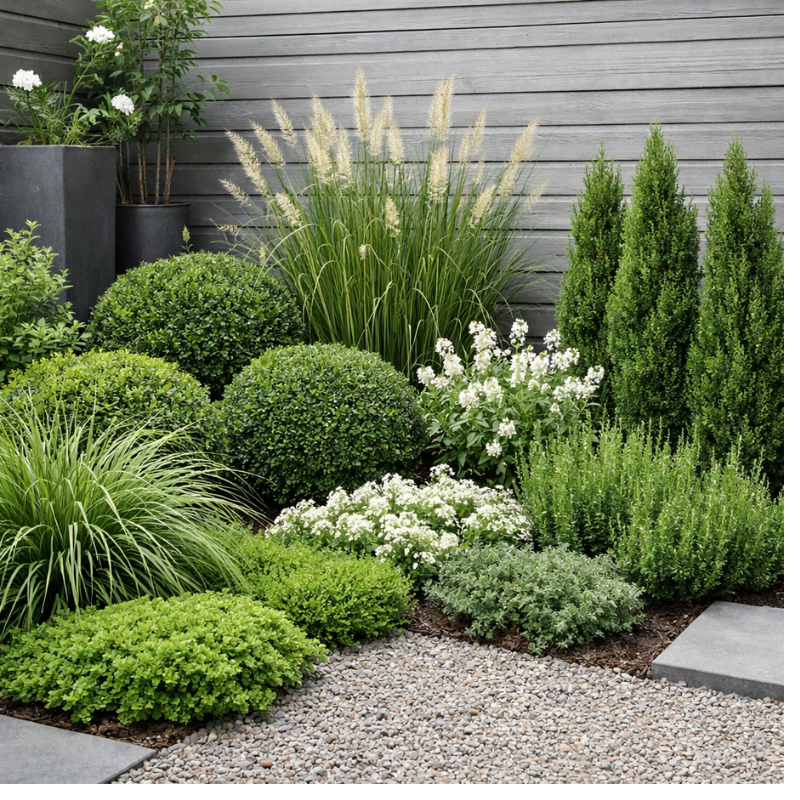
Plant selection plays a huge role in how spacious a garden feels. Oversized plants can quickly overwhelm a compact area, while the right mix can enhance scale and proportion.
Opt for plants with fine textures, upright growth habits, or controlled spread. Layering plants—low ground covers, mid-height shrubs, and vertical elements—adds richness without clutter. Repeating the same plant species also creates visual continuity, which helps the garden feel larger and more cohesive.
Use Multi-Functional Features
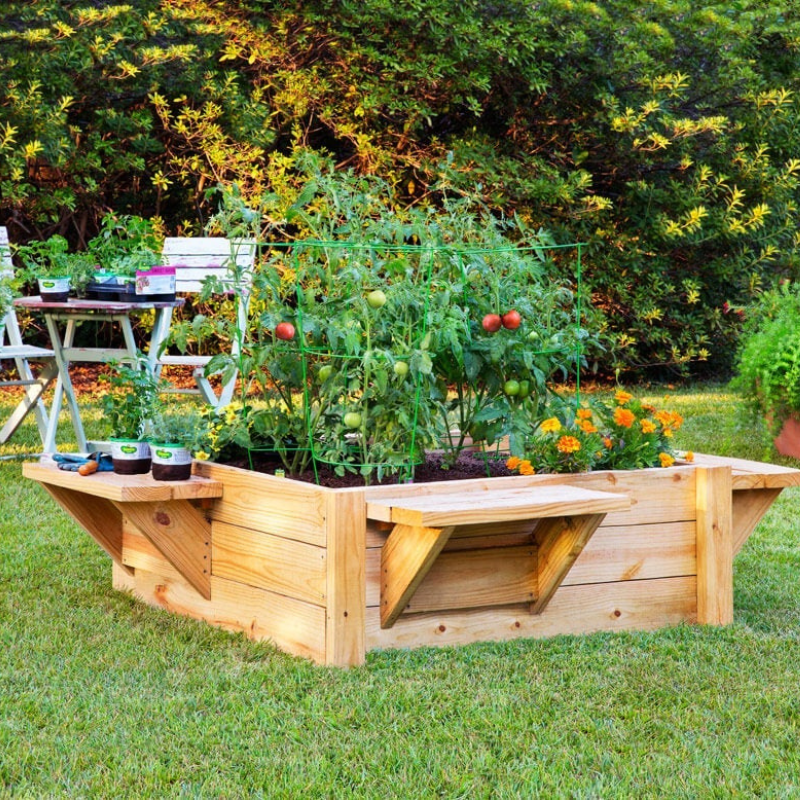
In small gardens, every element should earn its place. Multi-functional features help you save space while increasing usability.
Built-in seating with hidden storage, raised planters that double as benches, or retaining walls that act as seating edges are great examples. These elements reduce the need for extra furniture and keep the garden streamlined. Foldable or stackable outdoor furniture can also provide flexibility when space is tight.
Create Zones Without Physical Barriers
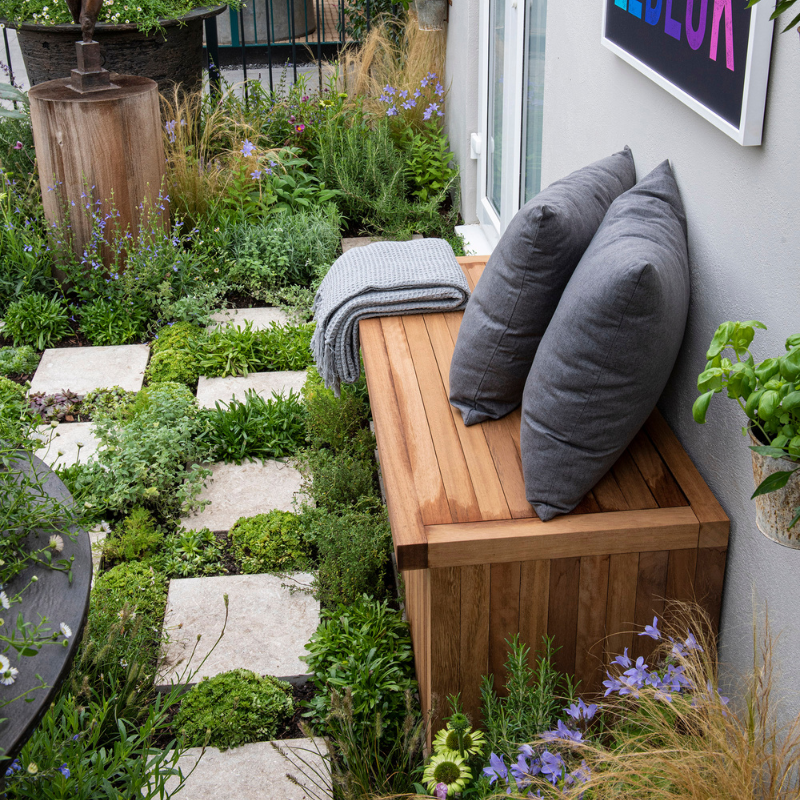
Zoning isn’t just for large landscapes. Even in small gardens, subtle zoning helps organize the space and improve flow.
Instead of solid walls or fences, use changes in materials, plant groupings, or levels to define areas. For instance, a paved section can indicate a seating area, while surrounding greenery creates a natural boundary. This approach maintains openness while giving each zone a clear purpose.
Play With Perspective and Layout
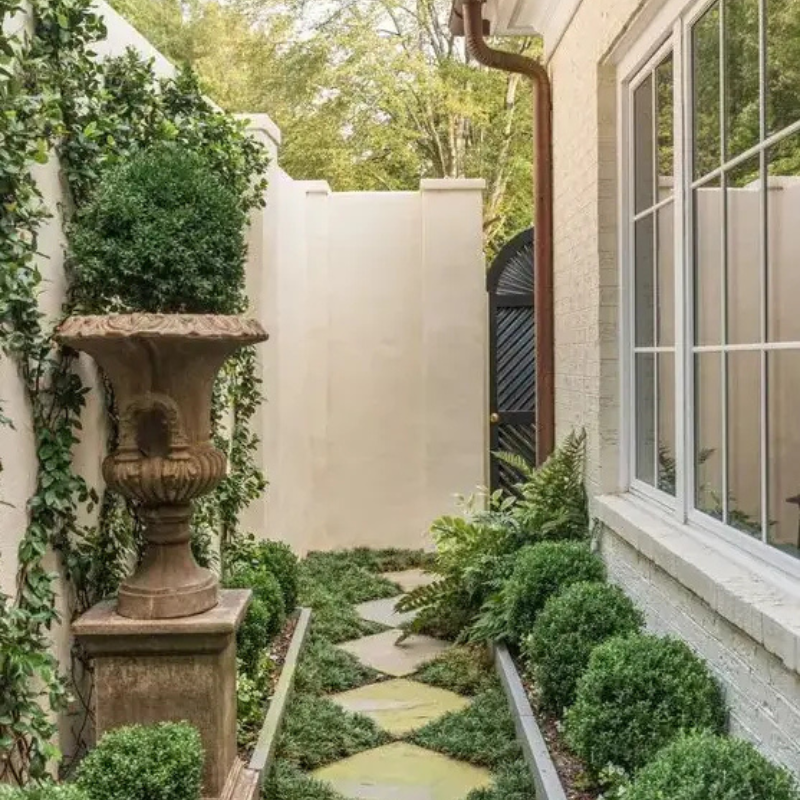
Strategic layout choices can visually expand a small garden. Straight lines are clean and modern, but gentle curves often make spaces feel wider and more dynamic.
Diagonal paving, offset stepping stones, or asymmetrical layouts guide the eye across the garden, creating the illusion of more space. Positioning focal points—like a feature plant, sculpture, or water element—toward the back of the garden can also draw attention away from the size and toward the design.
Light Colors and Reflective Surfaces Matter
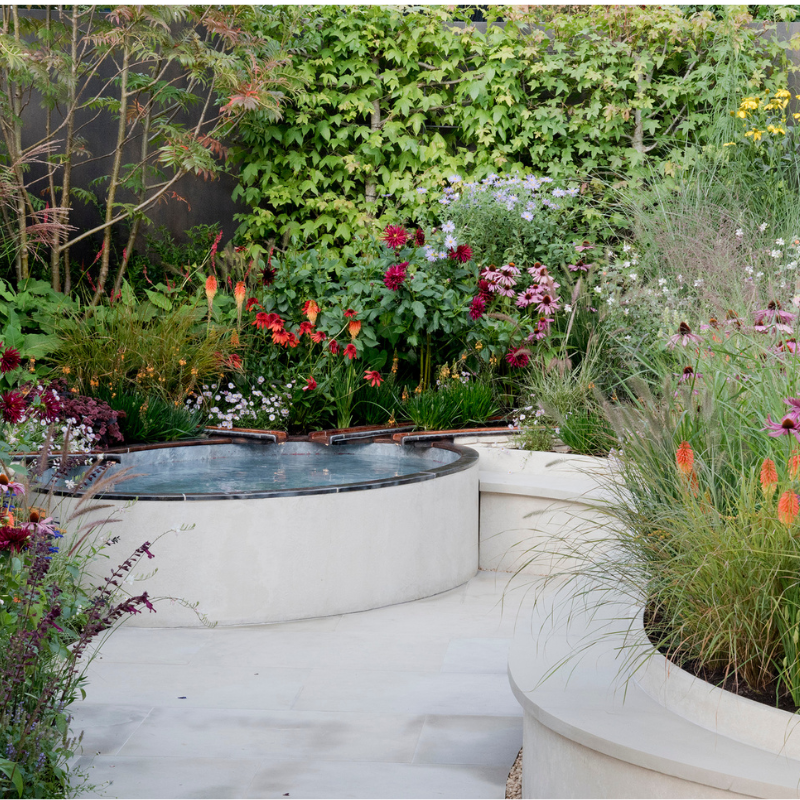
Color has a powerful impact on perceived space. Lighter tones tend to reflect light and make areas feel more open, while dark colors can visually compress small spaces.
Consider pale paving, light-rendered walls, or soft timber finishes. Mirrors or reflective materials placed strategically can bounce light around the garden and visually extend boundaries. When used subtly, these elements enhance brightness without feeling artificial.
Keep Hardscaping Simple and Proportional
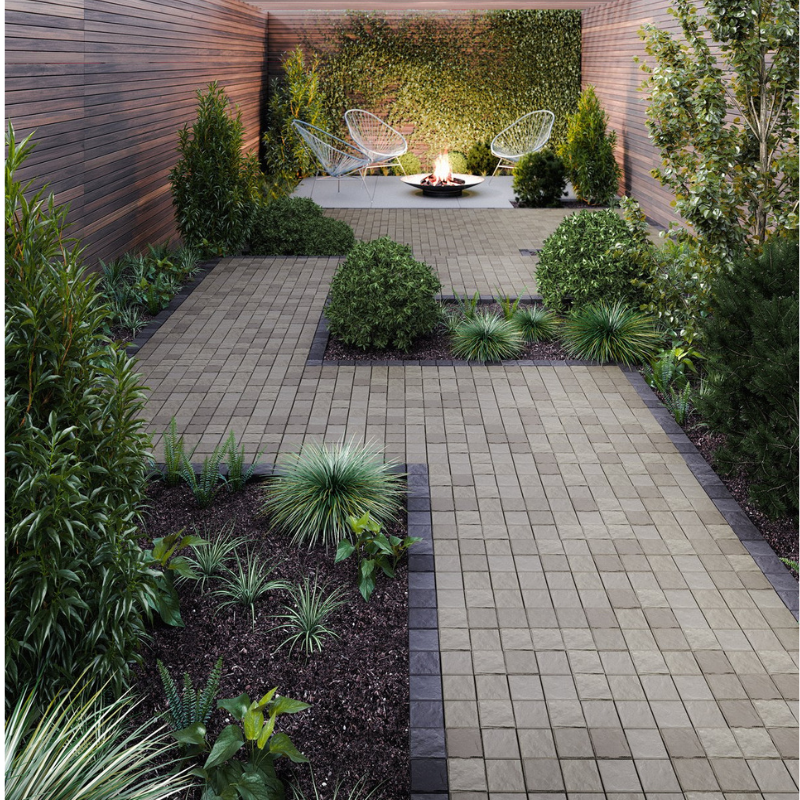
Too many materials can overwhelm a small garden. Limiting your hardscape palette creates a cleaner, more spacious look.
Choose one or two complementary materials for paving, edging, and walls. Large-format pavers with minimal grout lines often work better than small tiles, as they reduce visual fragmentation. Consistency in materials helps the garden feel unified rather than crowded.
Lighting That Enhances Space
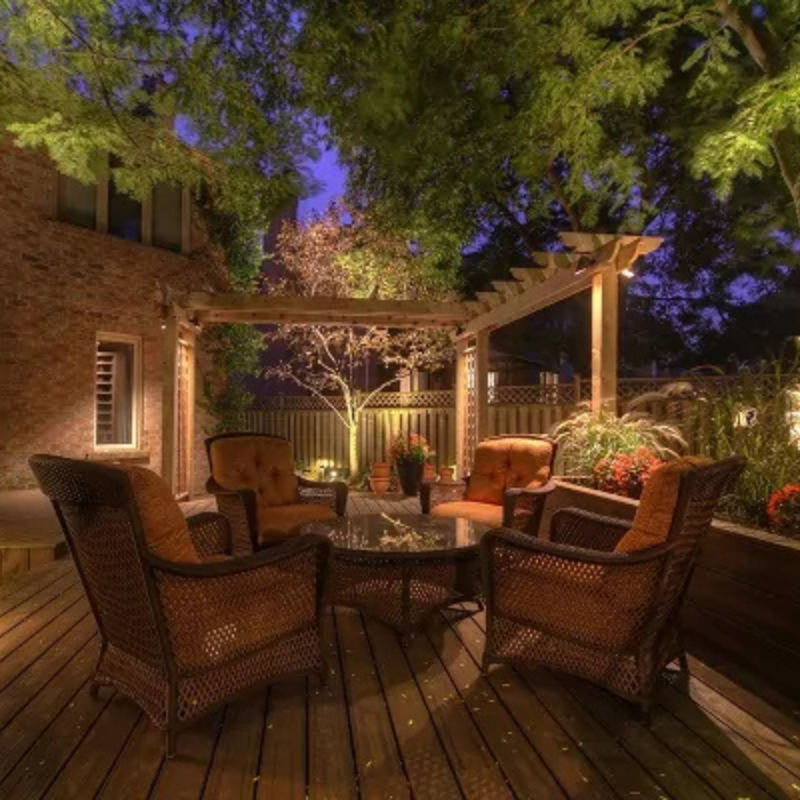
Good lighting doesn’t just improve usability—it shapes how a garden is perceived after dark. In small gardens, layered lighting works best.
Use soft ambient lighting to define boundaries, accent lighting to highlight plants or textures, and functional lighting for seating or pathways. Low-level and indirect lighting creates depth and avoids harsh shadows, making the space feel calm and expansive.
Embrace Simplicity and Negative Space
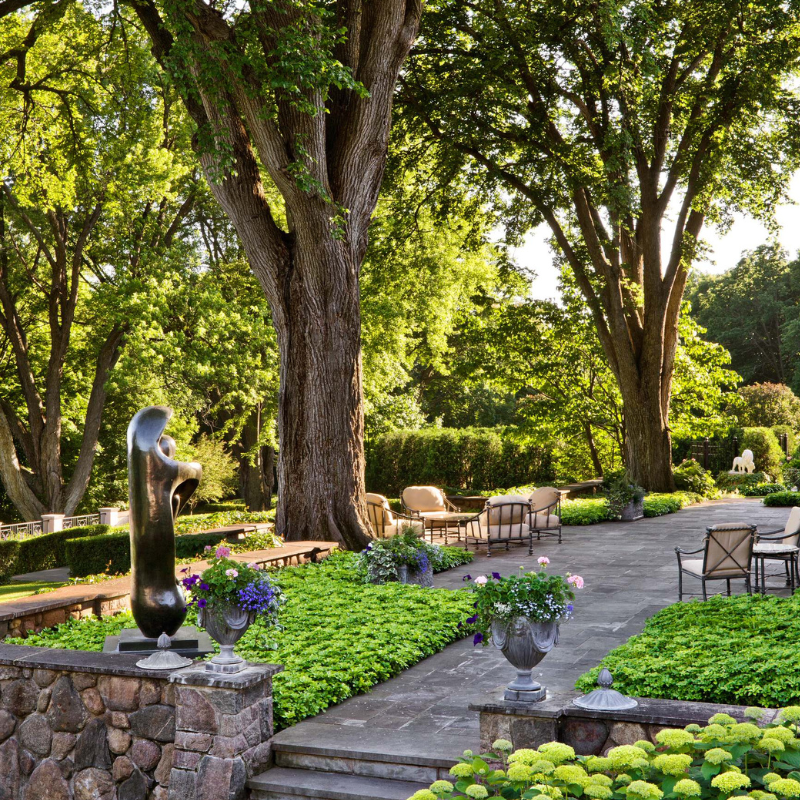
One of the most overlooked design principles in small gardens is restraint. Leaving some areas open is just as important as filling others.
Negative space—areas without plants or furniture—allows the eye to rest and makes the garden feel more balanced. A minimalist approach often results in a more elegant and spacious outdoor environment than trying to include too many features.
Final Thoughts
Designing a small garden is about smart choices, not compromises. With thoughtful planning, vertical elements, and a focus on functionality, compact gardens can feel just as inviting and impactful as larger landscapes.
At Ideas for Architecture, we believe great outdoor design is about maximizing potential—no matter the size of the space. If you’re looking for more inspiration or ideas to enhance your garden or exterior spaces, explore our latest design insights and discover how thoughtful architecture and landscape design can transform everyday environments.