


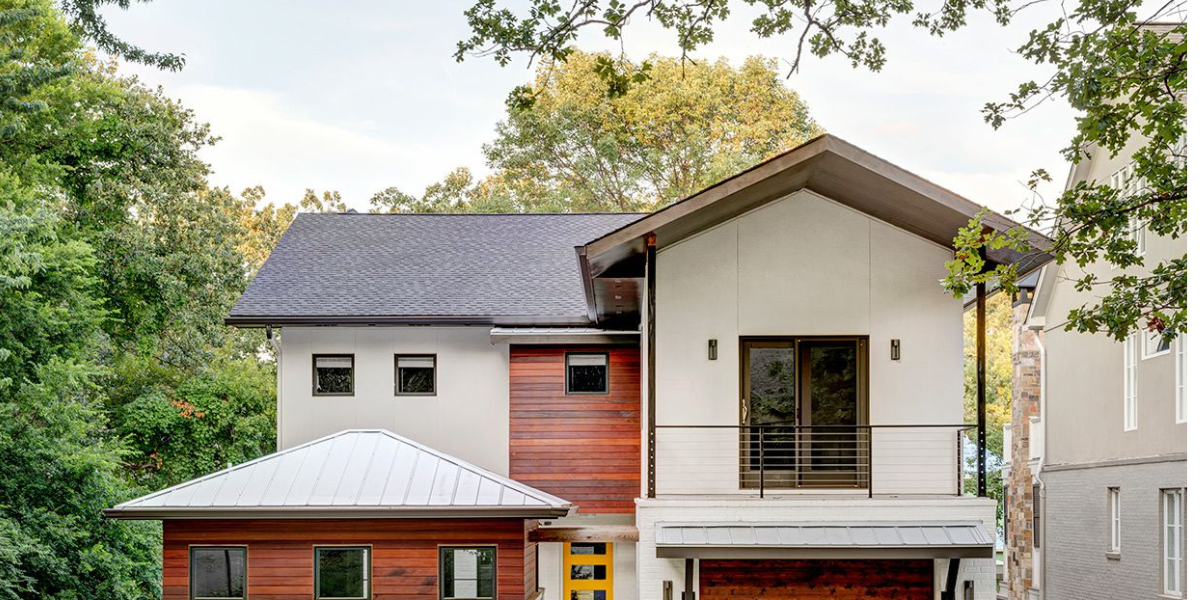
Modern residential architecture is more than a visual trend—it reflects how people live, think, and interact with their surroundings today. As lifestyles evolve, homes are no longer designed only for shelter. They are expected to support comfort, sustainability, flexibility, and emotional well-being. Contemporary residential design responds to these expectations by blending aesthetics with function, technology with nature, and innovation with timeless principles.
At its core, modern residential architecture is about creating spaces that feel intuitive, efficient, and deeply connected to daily life.
The Shift Toward Contemporary Living
Traditional residential architecture often focused on rigid layouts and defined room purposes. In contrast, modern homes are designed around adaptability. Open floor plans, multi-functional spaces, and fluid indoor–outdoor transitions have become defining characteristics.
This shift mirrors how people live today—working from home, entertaining casually, and valuing experiences over excess. Architecture now supports these habits by prioritizing openness, natural light, and spatial flexibility.
Large windows, sliding glass walls, and double-height living areas are not just stylistic choices; they enhance visual continuity and make homes feel more expansive and breathable.
Key Principles of Modern Residential Architecture
1. Simplicity with Purpose
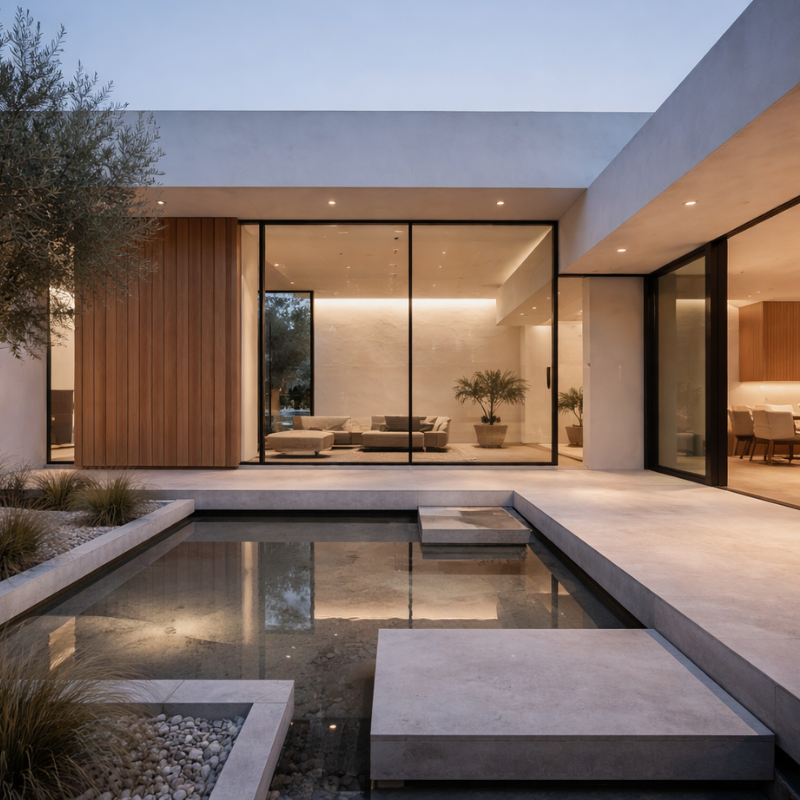
Modern residential design favors clean lines, uncluttered forms, and restrained material palettes. However, simplicity does not mean lack of character. Every element serves a purpose, whether structural, environmental, or experiential.
Well-designed modern homes avoid unnecessary ornamentation and instead let proportions, materials, and light define the space.
2. Functionality First
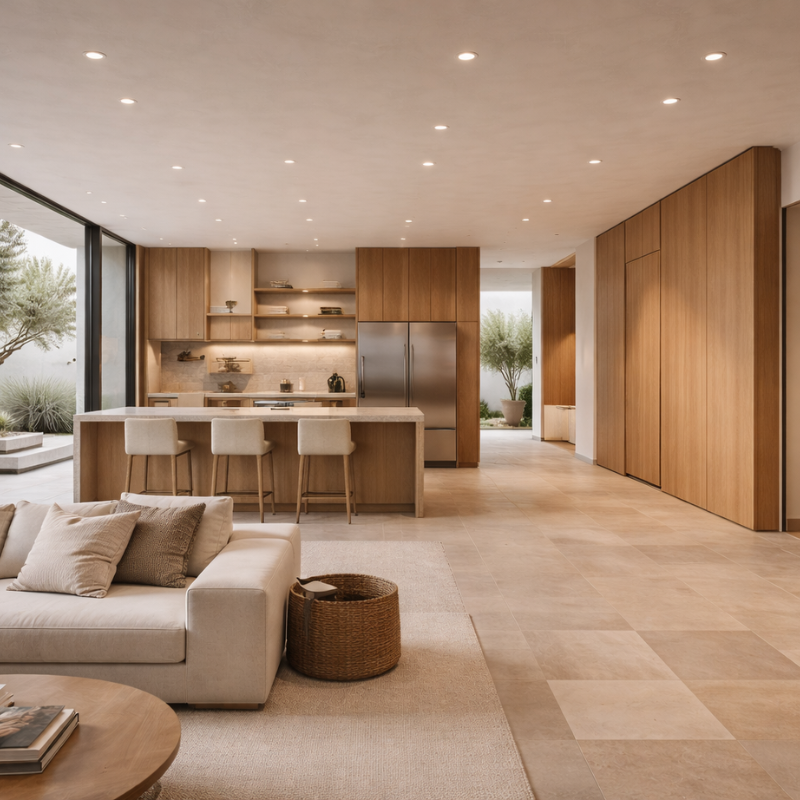
Contemporary architecture places strong emphasis on how a home functions in everyday life. Storage is integrated seamlessly, circulation is intuitive, and layouts are designed to minimize wasted space.
Kitchens often act as social hubs, bedrooms are designed for retreat and privacy, and transitional areas like courtyards or terraces add layers of usability.
3. Connection to Nature
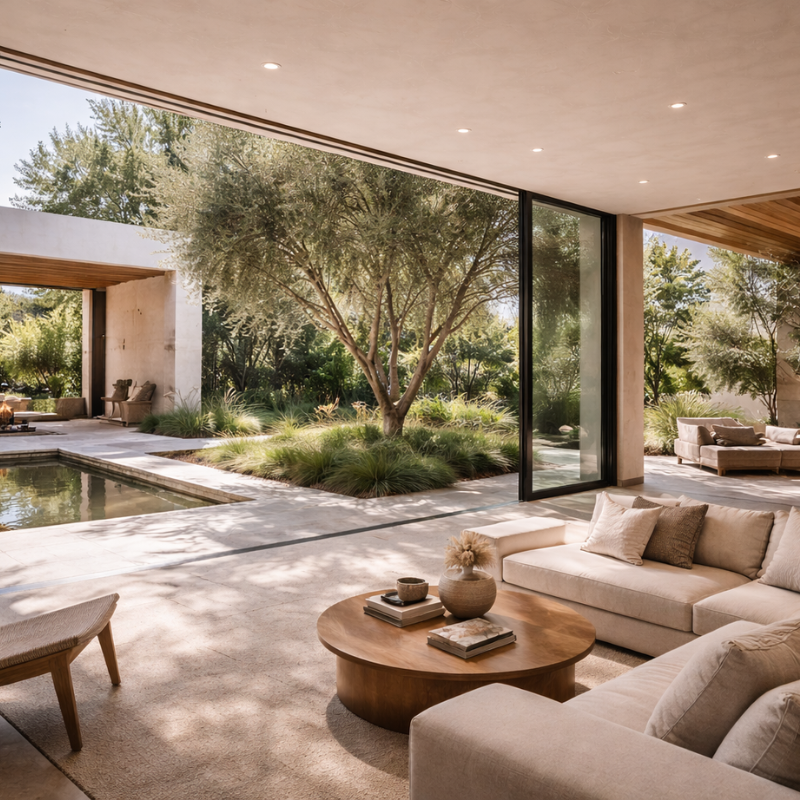
One of the most important aspects of modern residential architecture is its relationship with the natural environment. Homes are oriented to capture daylight, cross-ventilation, and views, reducing reliance on artificial lighting and cooling.
Natural materials such as wood, stone, concrete, and glass are commonly used to blur the line between interior and exterior spaces. This connection enhances comfort while also supporting sustainable design goals.
Sustainability as a Design Standard
Sustainability is no longer an optional feature—it is a foundational principle of modern residential architecture. Architects now design homes that are energy-efficient, environmentally responsible, and resilient to changing climates.
Key sustainable strategies include:
- Passive design techniques that maximize thermal comfort
- High-performance insulation and glazing
- Solar orientation and shading control
- Rainwater harvesting and water-efficient systems
- Use of locally sourced and low-impact materials
These approaches not only reduce environmental impact but also create healthier living environments and lower long-term operating costs for homeowners.
Technology and Smart Living
Modern homes are increasingly integrated with smart technologies that enhance convenience and efficiency. From automated lighting and climate control to security systems and energy monitoring, technology is seamlessly embedded into architectural design.
The best contemporary residential architecture ensures that technology enhances living without dominating it. Smart systems are discreet, user-friendly, and adaptable, allowing homes to evolve with future needs.
Designing for Emotional Well-Being
Beyond function and sustainability, modern residential architecture recognizes the emotional impact of space. Light-filled rooms, calming material textures, acoustic comfort, and thoughtful spatial proportions all contribute to a sense of well-being.
Homes designed with mindfulness in mind promote relaxation, creativity, and balance. Quiet zones, visual connections to greenery, and carefully framed views play a significant role in how residents experience their space daily.
Urban vs Suburban Residential Design
Modern residential architecture adapts differently depending on context. In urban environments, the focus is often on compact footprints, vertical living, privacy, and efficient use of limited space. In suburban or rural settings, architects can explore expansive layouts, stronger indoor–outdoor relationships, and landscape integration.
Despite these differences, the underlying design philosophy remains consistent: homes should respond intelligently to their environment and the people who live in them.
The Future of Residential Architecture
As cities grow and lifestyles continue to change, residential architecture will keep evolving. Future homes are likely to become more adaptive, more sustainable, and more personalized. Modular design, prefabrication, and climate-responsive architecture will play an increasingly important role.
What remains constant is the goal—to design homes that are not only visually compelling but genuinely supportive of contemporary living.
Final Thoughts
Modern residential architecture represents a thoughtful balance between design, function, and responsibility. It shapes how we live today while anticipating how we may live tomorrow. Homes designed with intention—responding to lifestyle, environment, and emotion—stand the test of time far better than those driven by trends alone.
At Ideas for Architecture, we explore concepts, visions, and ideas that push residential design forward. If you’re inspired by innovative living spaces and future-focused architecture, continue exploring our work and perspectives—there’s always more to discover.