


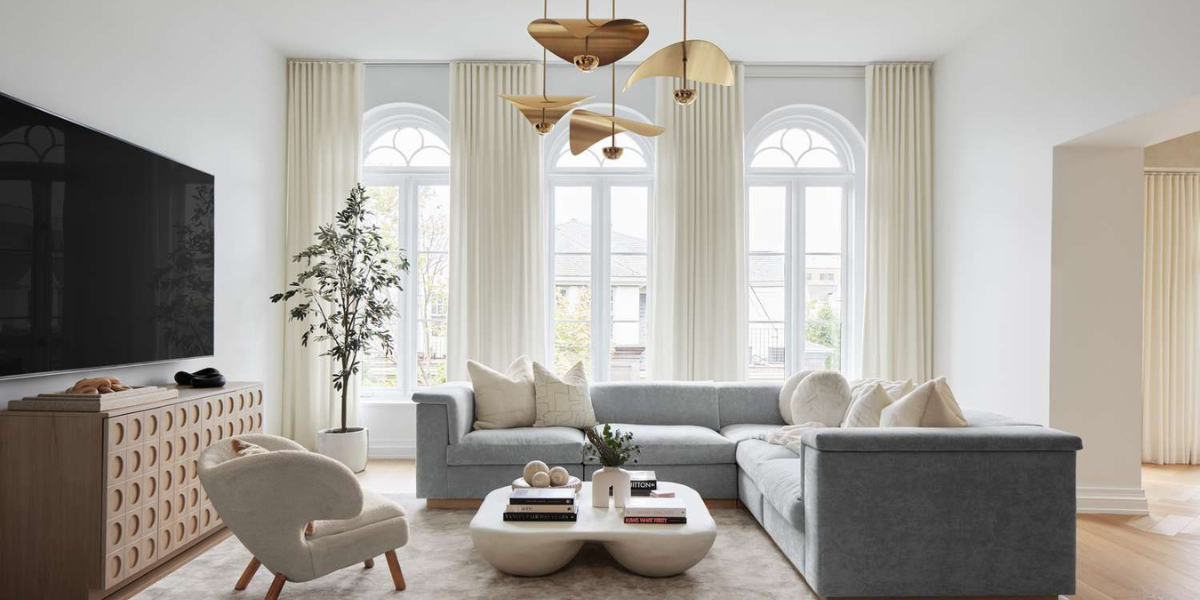
A living space is more than just a room—it’s where daily life unfolds. From quiet mornings with coffee to evenings spent relaxing or entertaining guests, the living area sets the tone for how a home feels and functions. Modern living space design focuses on creating environments that are not only visually appealing but also deeply comfortable, adaptable, and human-centered.
Today’s interiors move beyond decoration alone. They combine thoughtful layouts, smart material choices, and subtle detailing to enhance everyday comfort without sacrificing style. Below, we explore modern living space design ideas that balance aesthetics with practicality—spaces that feel as good as they look.
Designing for Flow and Function
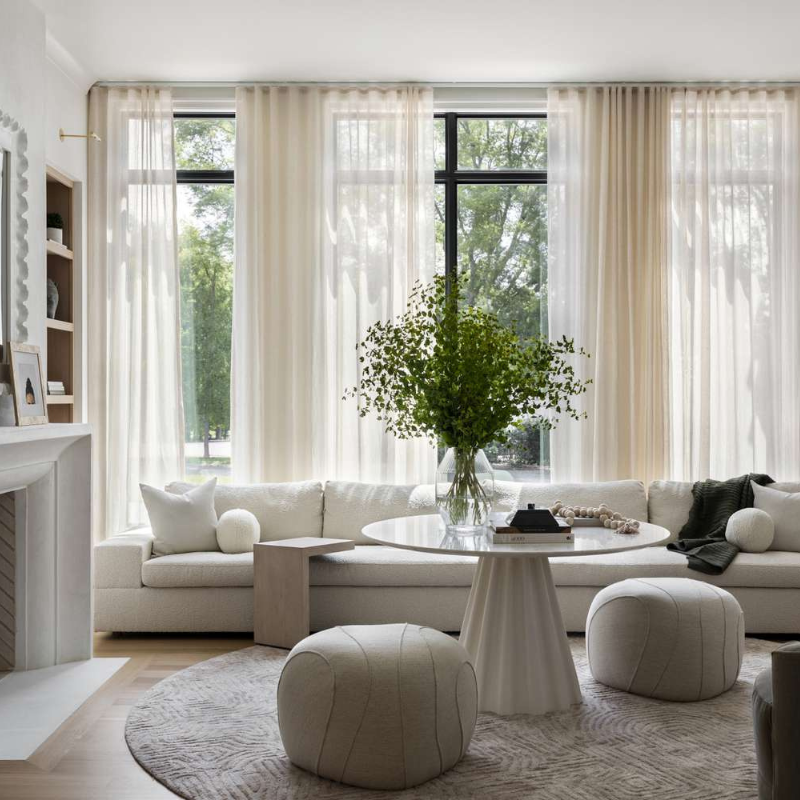
One of the defining characteristics of modern living spaces is spatial clarity. Clean layouts, open circulation, and intuitive furniture placement help a room feel effortless to use. Instead of filling every corner, modern design prioritizes breathing space—allowing people to move, sit, and interact naturally.
Open-plan living areas are especially popular, as they create visual continuity between the living room, dining space, and kitchen. The key is zoning. Area rugs, lighting variations, or changes in ceiling height can subtly define different functions without breaking the openness. This approach keeps the space cohesive while maintaining comfort and usability.
Comfort Starts with Smart Furniture Choices
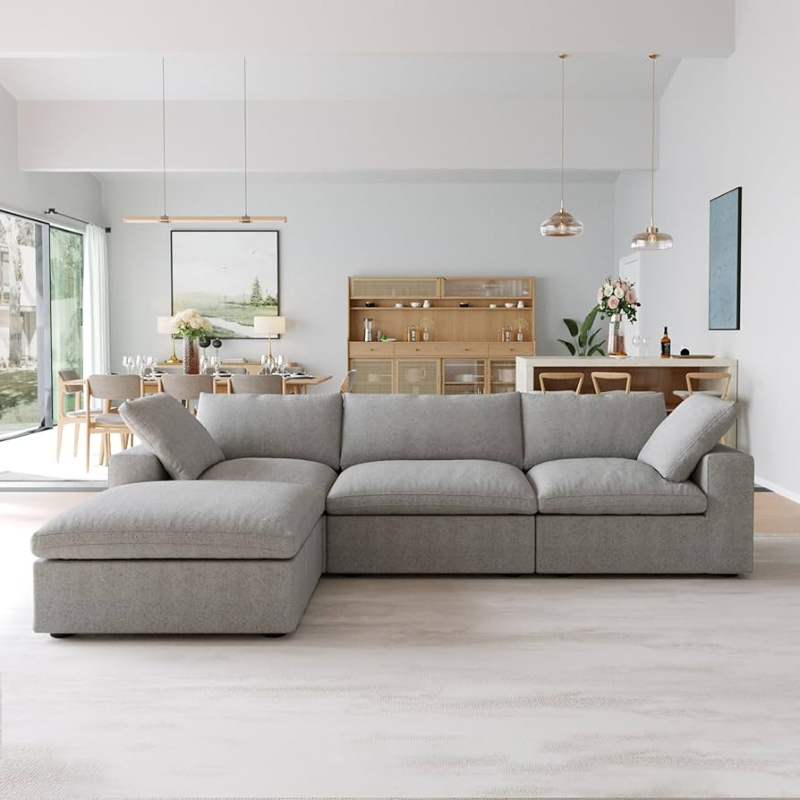
Modern living room furniture is defined by simplicity, proportion, and comfort. Low-profile sofas, modular seating, and soft silhouettes invite relaxation while maintaining a refined appearance. Upholstery choices matter—textured fabrics, soft leathers, and breathable materials add warmth and tactility to the space.
Multifunctional furniture is another hallmark of modern living spaces. Ottomans with storage, nesting tables, or built-in shelving allow rooms to adapt to changing needs. This flexibility is especially important in urban homes where space is limited but expectations for comfort remain high.
The Role of Natural Light and Connection to the Outdoors
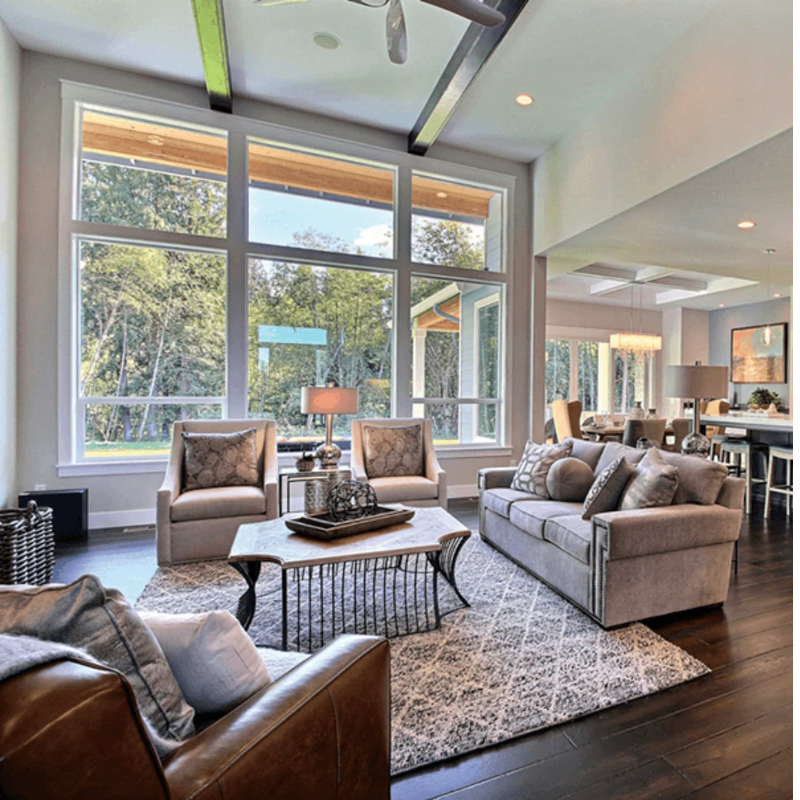
Natural light is one of the most powerful tools in modern interior design. Large windows, sliding doors, and minimal window treatments help bring daylight deep into living spaces, making them feel open and uplifting throughout the day.
When possible, modern living areas are designed to visually connect with outdoor spaces such as balconies, courtyards, or gardens. This indoor-outdoor relationship enhances comfort by introducing nature, improving airflow, and creating a calming atmosphere. Even in apartments, thoughtful window placement and reflective surfaces can maximize available light.
Material Palette: Calm, Warm, and Timeless
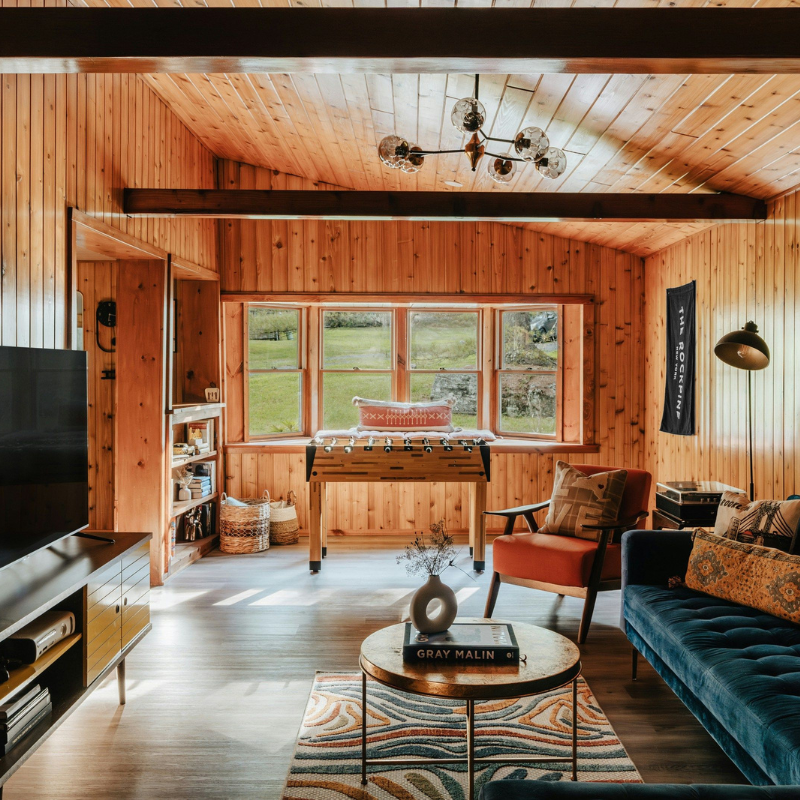
Modern living space design often relies on restrained, neutral palettes—soft whites, warm greys, earthy tones, and natural finishes. These colors create a calm backdrop that supports relaxation and longevity, avoiding trends that may feel dated quickly.
Natural materials play a central role. Wood, stone, linen, and clay add depth and authenticity to modern interiors. When paired with smooth surfaces like polished concrete or matte metal accents, the result is a balanced contrast between warmth and precision. This mix of textures is essential for comfort, preventing minimalist spaces from feeling cold or impersonal.
Lighting That Enhances Mood
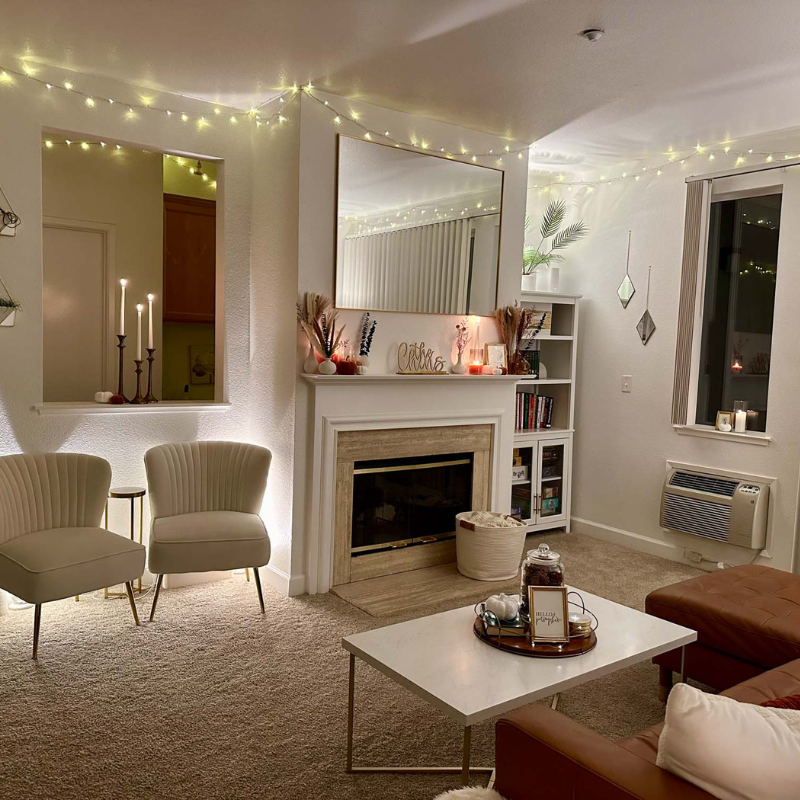
Good lighting design is crucial to everyday comfort. Modern living spaces use layered lighting to support different activities and times of day. Ambient lighting provides overall illumination, while task lighting supports reading or working, and accent lighting highlights architectural features or artwork.
Warm light temperatures are typically preferred in living areas, as they create a relaxed and welcoming environment. Dimmable fixtures allow residents to adjust the mood effortlessly, making the space equally suitable for quiet evenings or social gatherings.
Personalization Without Clutter
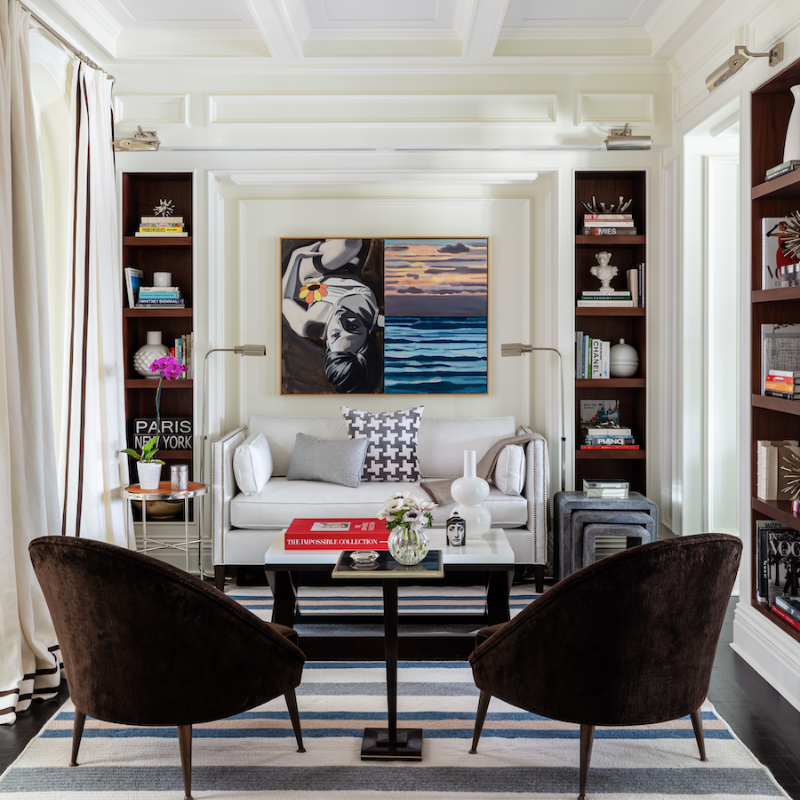
Modern design does not mean sterile or impersonal. In fact, the most successful living spaces reflect the people who inhabit them. Artwork, books, curated objects, and personal collections add character and emotional warmth.
The key is intentionality. Instead of overcrowding shelves or walls, modern interiors favor fewer, well-chosen pieces that tell a story. This approach keeps the space visually calm while allowing individuality to shine through.
Technology Integrated Seamlessly
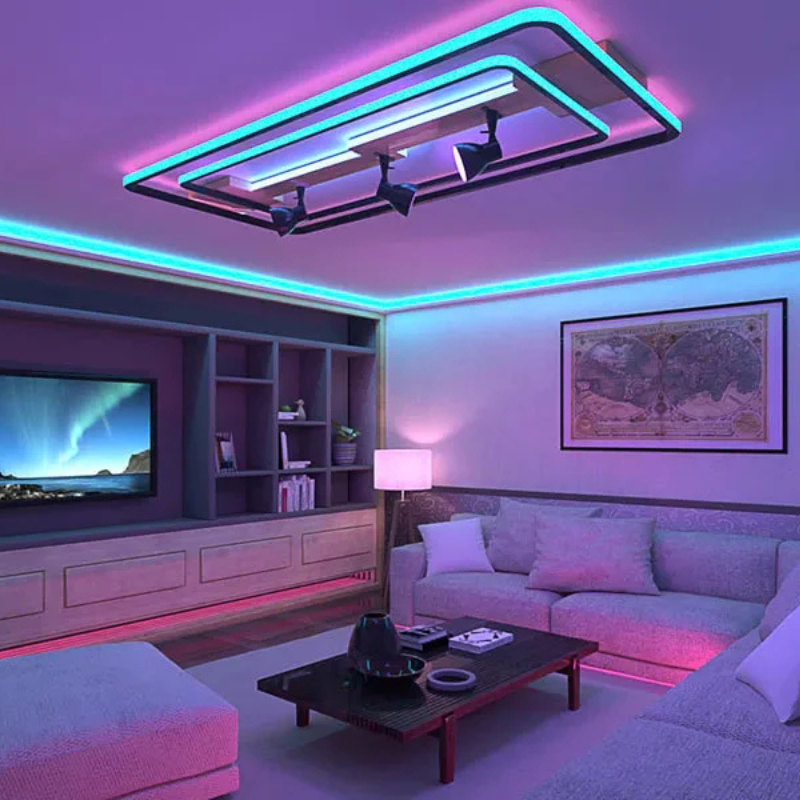
Comfort in modern living spaces extends beyond physical design to include how technology is integrated. Smart lighting, climate control, and discreet audio systems enhance everyday living when incorporated thoughtfully.
Rather than dominating the room, technology is often concealed or blended into architectural elements. This ensures the space remains visually clean and focused on human experience rather than devices.
Designing for Long-Term Living
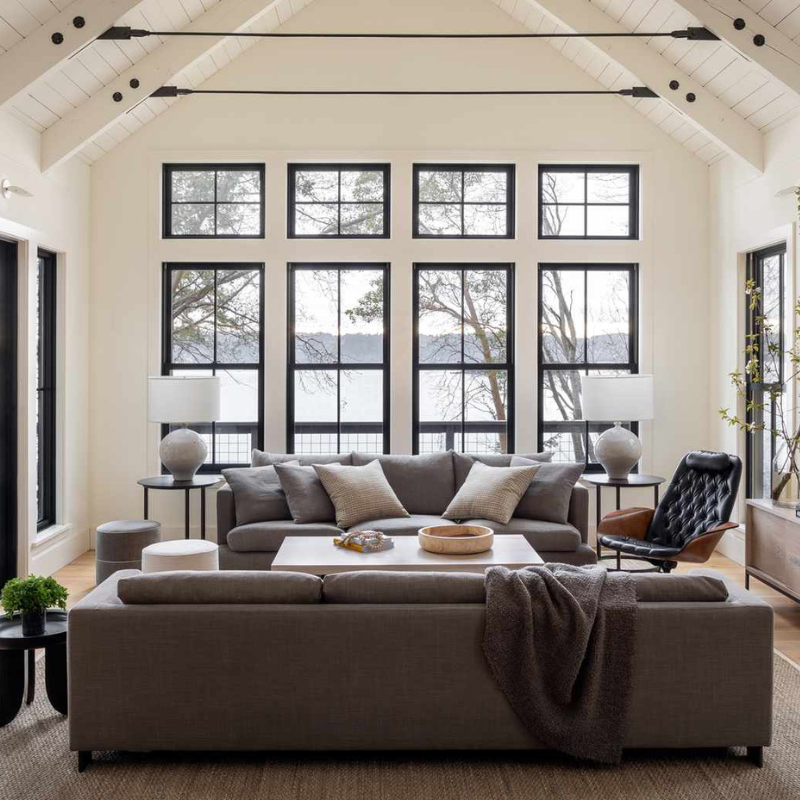
A truly comfortable living space is one that evolves gracefully over time. Modern living space design values durability, adaptability, and timeless appeal. Flexible layouts, neutral foundations, and quality materials allow interiors to adapt as lifestyles change—whether that means growing families, remote work, or new ways of entertaining.
By focusing on comfort, flow, and authenticity, modern living spaces become places people genuinely enjoy spending time in—not just rooms designed to impress.
Final Thoughts
Modern living space design is ultimately about balance. When thoughtful planning meets warm materials and human-centered design, everyday comfort naturally follows. These spaces support real life while remaining elegant, calm, and enduring.
If you’re exploring ideas to reimagine your living space or seeking inspiration that blends architecture with lifestyle, keep discovering more design insights and concepts with us at Ideas for Architecture—where thoughtful spaces begin.