


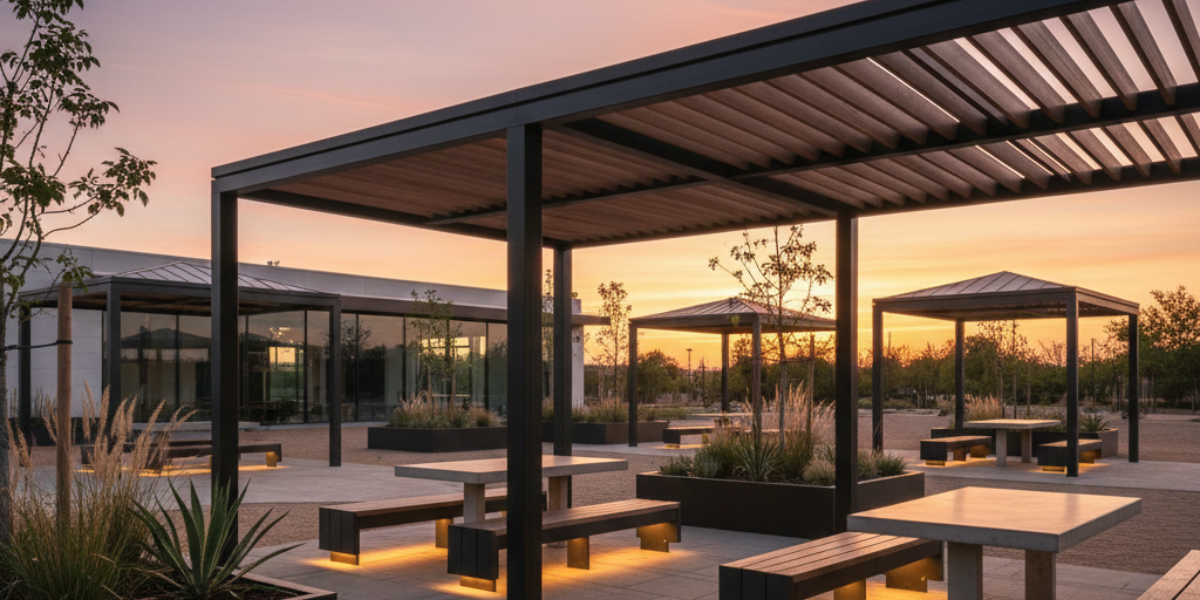
Outdoor spaces have become an essential part of modern architecture, not just as visual extensions of buildings but as functional environments meant for daily use. As lifestyles grow busier and design priorities shift toward efficiency, low-maintenance outdoor structures are gaining strong momentum. Homeowners, developers, and architects alike are now looking for solutions that balance durability, aesthetics, and minimal upkeep—without compromising on design quality.
When planned thoughtfully, outdoor structures can deliver long-term value while requiring very little ongoing effort. This article explores why low-maintenance outdoor structures matter, which materials and design strategies work best, and how they support sustainable, future-ready exterior spaces.
Why Low-Maintenance Design Matters
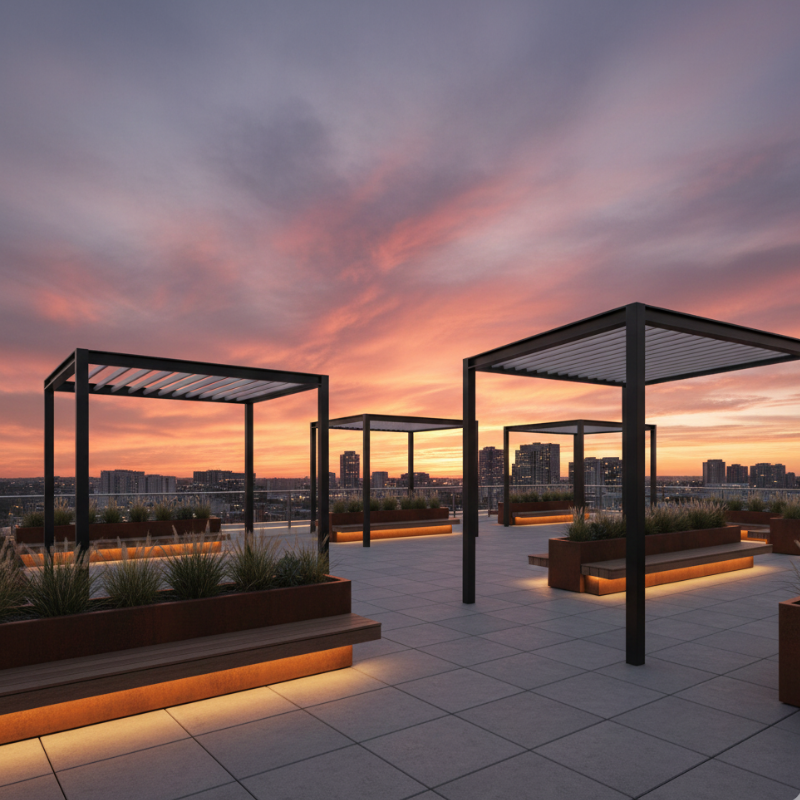
Traditional outdoor structures often demand regular sealing, repainting, repairs, or seasonal care. Over time, this maintenance can become costly, time-consuming, and frustrating—especially in residential projects or large-scale developments.
Low-maintenance outdoor structures address this challenge by focusing on materials, construction methods, and layouts that naturally withstand weather, wear, and time. The result is an exterior space that remains functional and visually appealing for years, with minimal intervention.
For architects and designers, this approach aligns perfectly with contemporary expectations: smarter design, longer lifespan, and reduced operational burden.
Common Types of Low-Maintenance Outdoor Structures
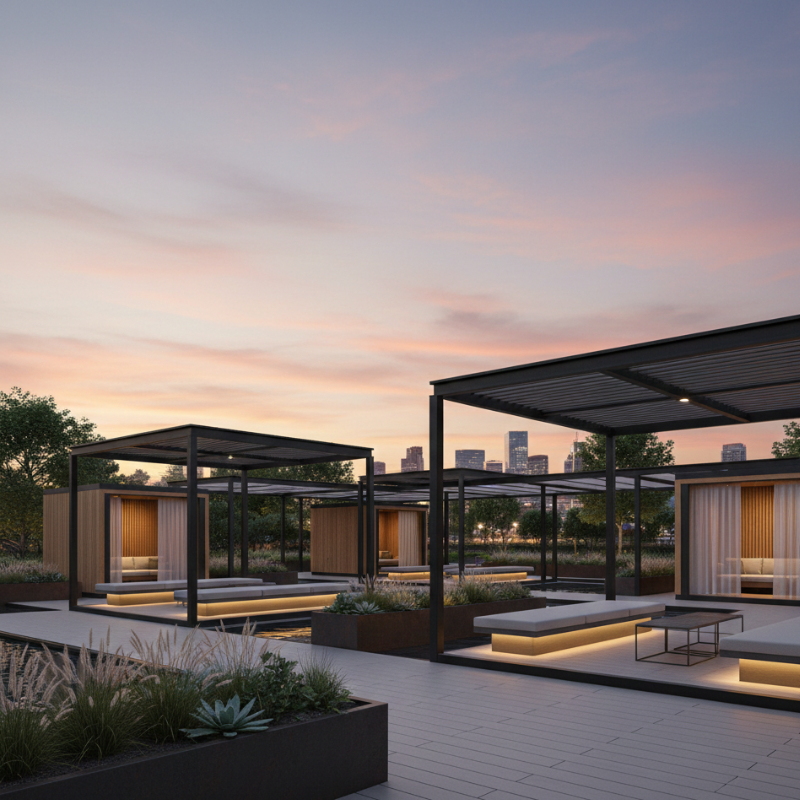
Several outdoor structures lend themselves naturally to low-maintenance design when executed correctly:
- Pergolas with metal or composite frames
- Steel or aluminum canopies
- Timber-look structures using engineered materials
- Modular pavilions and shade systems
- Raised decks made from composite boards
- Covered walkways with durable roofing systems
These structures offer flexibility across residential, commercial, and hospitality projects while keeping long-term care simple.
Choosing the Right Materials
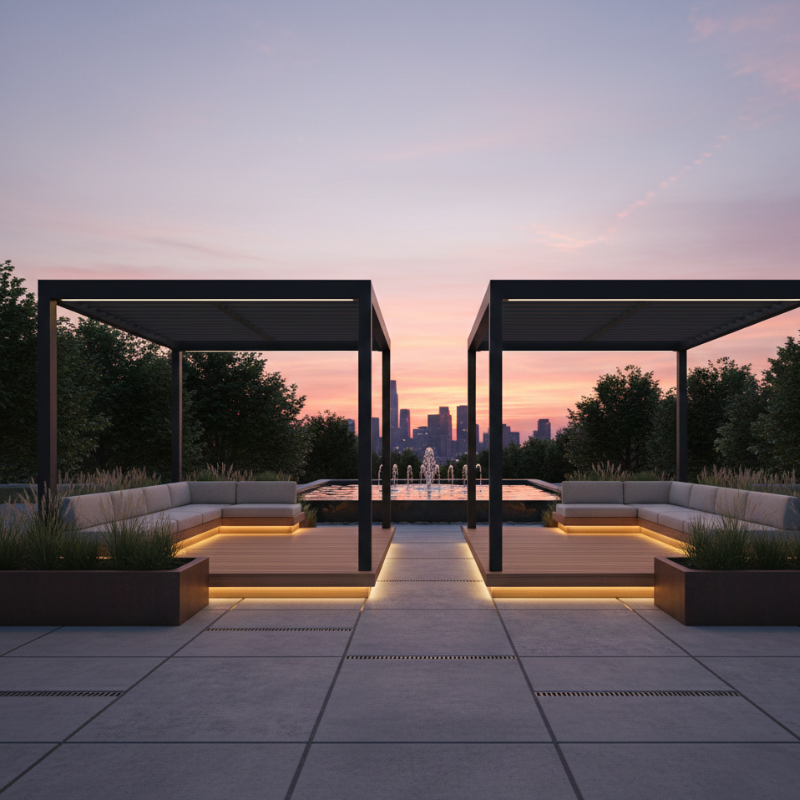
Material selection is the single most important factor in reducing maintenance. Modern outdoor structures benefit greatly from advances in material technology.
Metal systems, such as aluminum or powder-coated steel, are highly resistant to rust, insects, and warping. They require little more than occasional cleaning and are ideal for pergolas, canopies, and structural frames.
Composite materials replicate the warmth of timber without the associated upkeep. Unlike natural wood, composites do not crack, rot, or require staining, making them perfect for decking and cladding elements.
Concrete and stone offer exceptional durability and are well suited for platforms, seating edges, and structural bases. When properly detailed, they age gracefully and demand minimal care.
Engineered timber products, when treated correctly, can also provide a balance between natural aesthetics and long-term performance.
Smart Design Reduces Maintenance
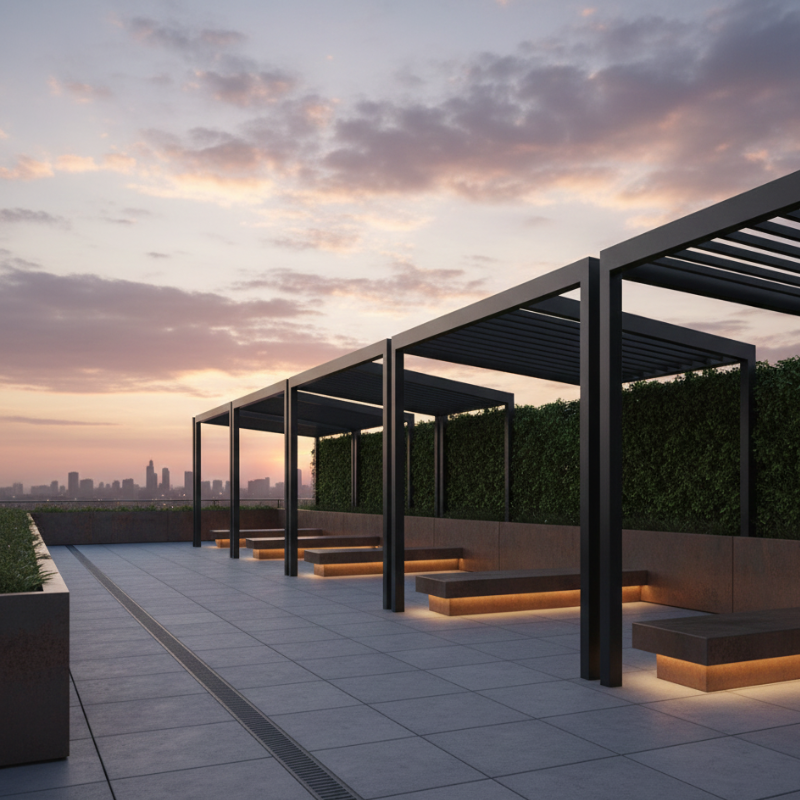
Beyond materials, smart design decisions play a major role in long-term usability. Low-maintenance outdoor structures are often the result of careful planning rather than added complexity.
Key design considerations include:
- Proper drainage to prevent water buildup
- Roof slopes that avoid debris accumulation
- Open detailing that allows airflow and drying
- Minimal joints and connections exposed to weather
- Thoughtful orientation to reduce harsh sun or wind exposure
When these factors are addressed early, structures age more predictably and require far fewer repairs.
Weather Resistance and Longevity
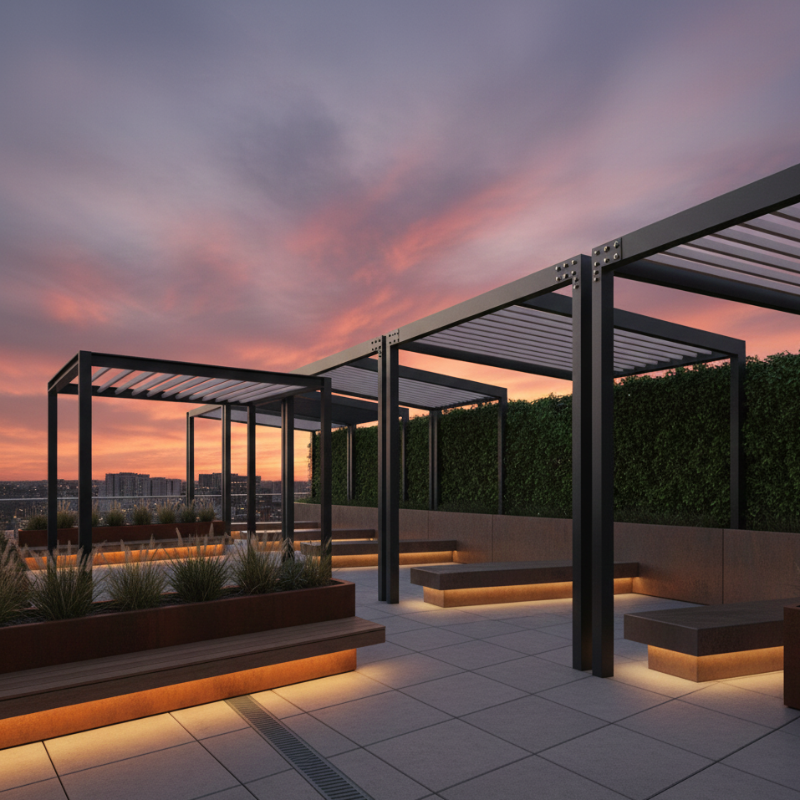
Outdoor structures face constant exposure to sun, rain, wind, and temperature changes. Low-maintenance designs are built to embrace these conditions rather than fight them.
UV-resistant finishes help prevent fading and surface breakdown. Corrosion-resistant fixings ensure structural stability over time. Roof systems made from polycarbonate, metal panels, or tensile membranes provide long-lasting shelter without frequent replacement.
In climates with heavy rainfall or intense sunlight, these features are not optional—they are essential for long-term performance.
Integration With Landscaping
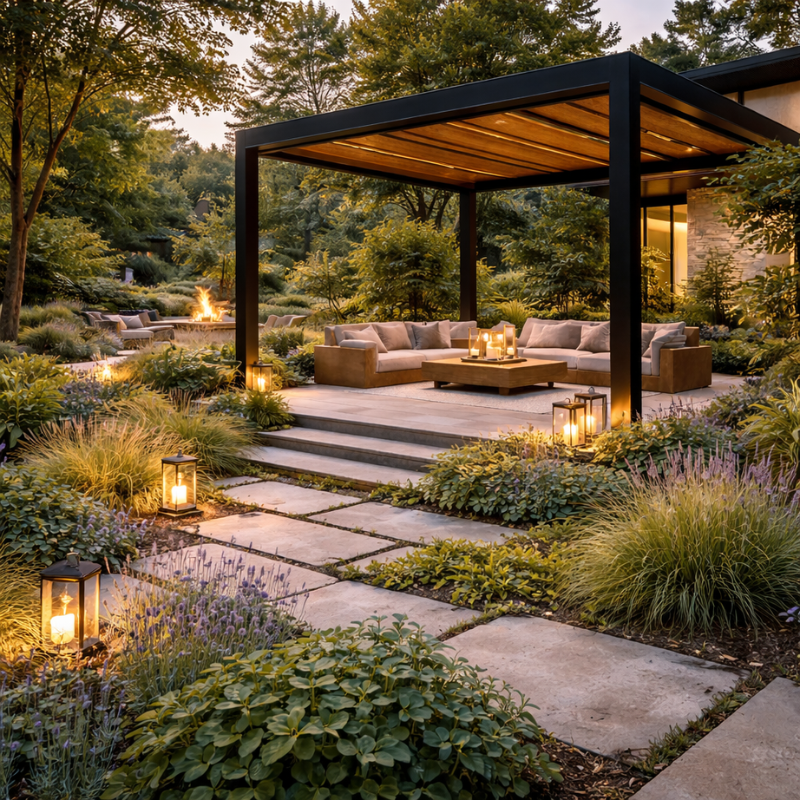
Low-maintenance outdoor structures work best when integrated seamlessly with the surrounding landscape. Hardscape elements, planting schemes, and lighting should complement the structure rather than complicate it.
Using native or drought-tolerant plants reduces watering and trimming needs. Incorporating ground covers instead of high-maintenance lawns helps maintain clean edges around decks and pavilions. Built-in lighting reduces the need for additional fixtures or frequent adjustments.
This integrated approach keeps exterior spaces looking refined without demanding constant attention.
Sustainability Through Low Maintenance
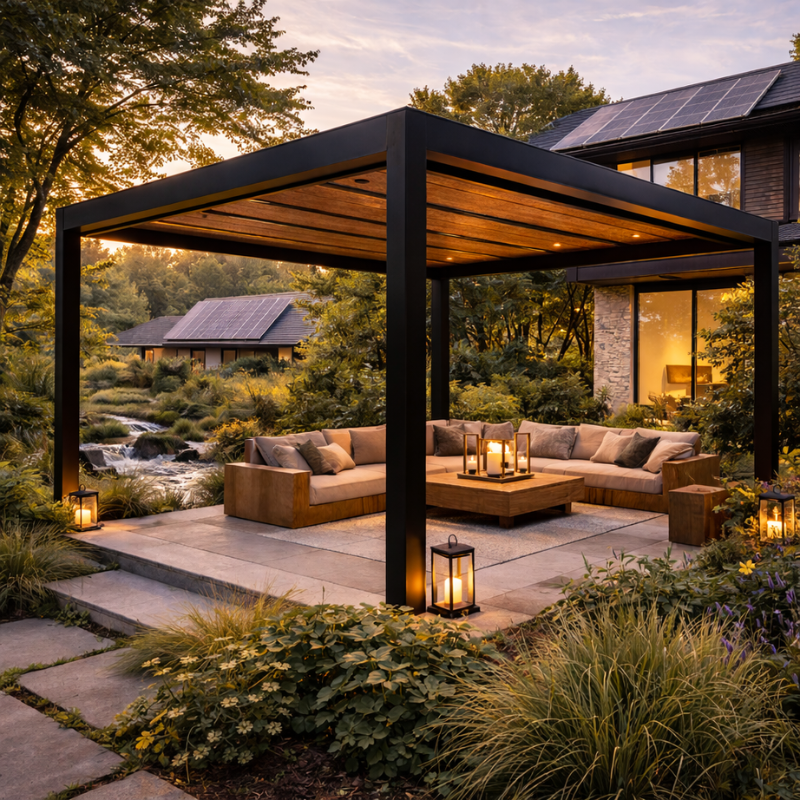
Low-maintenance design and sustainability go hand in hand. Structures that last longer and require fewer resources for upkeep have a smaller environmental footprint over their lifetime.
Durable materials reduce the need for replacements. Passive shading structures help lower indoor cooling loads. Modular systems allow parts to be repaired or replaced without rebuilding entire structures.
From both environmental and economic perspectives, low-maintenance outdoor structures represent a responsible design choice.
Ideal Applications Across Projects
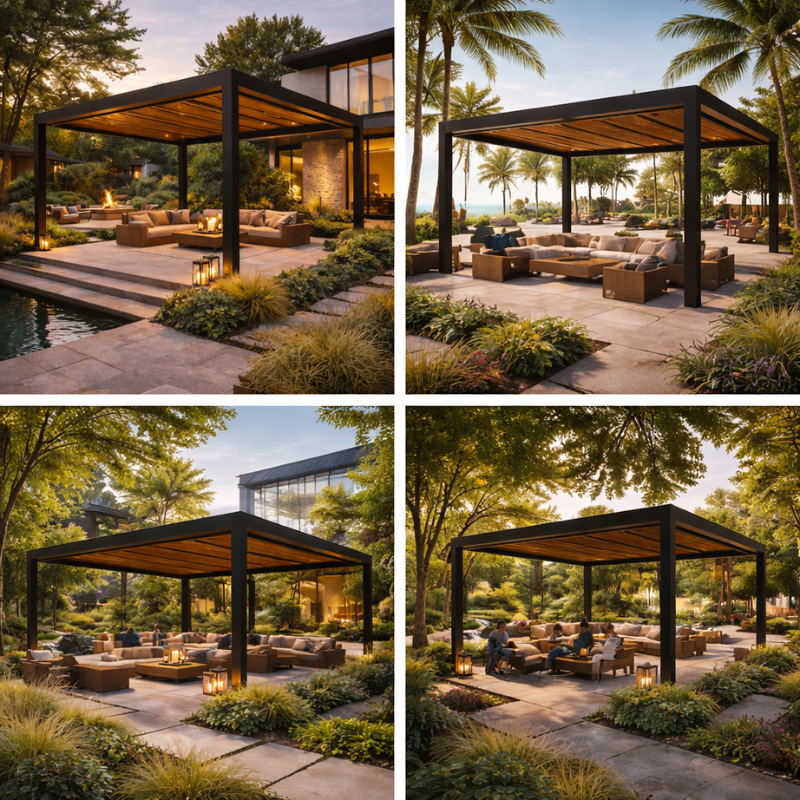
Low-maintenance outdoor structures are especially valuable in settings where consistent upkeep is impractical or costly.
- Residential homes benefit from outdoor areas that stay functional year-round.
- Resorts and hospitality spaces reduce operational workload.
- Office campuses gain durable social and breakout areas
- Public spaces maintain safety and appearance with fewer resources.
In each case, the structure supports daily use without becoming a long-term liability.
Investing in Long-Term Value

While low-maintenance outdoor structures may involve higher upfront planning or material costs, they often result in significant savings over time. Reduced repairs, lower labor requirements, and longer lifespans all contribute to better overall value.
More importantly, these structures preserve design intent. They continue to look intentional and refined years after installation—rather than appearing worn or neglected.
Final Thoughts
Low-maintenance outdoor structures are not about sacrificing character or creativity. Instead, they reflect a more thoughtful, future-focused approach to exterior design—one that values longevity as much as aesthetics.
By choosing the right materials, embracing smart detailing, and integrating structures seamlessly into the landscape, designers can create outdoor spaces that remain functional, attractive, and relevant for years to come.
If you’re exploring ideas for durable, future-ready exterior spaces, low-maintenance outdoor structures are a strong foundation to build upon.