


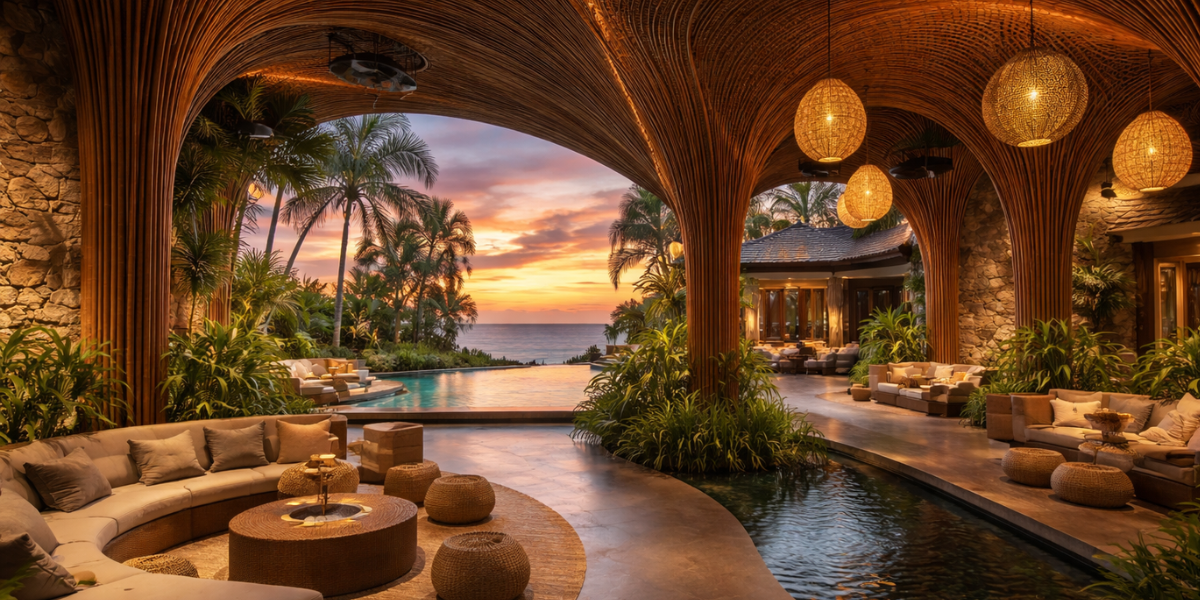
In the hospitality industry, guest experience is everything. From the moment a visitor arrives to the time they check out, every interaction shapes how they feel about a hotel, resort, or hospitality space. While service quality and amenities are essential, one factor often works quietly in the background yet leaves a lasting impression—hospitality architecture. Thoughtfully designed spaces do more than look appealing; they influence comfort, mood, movement, and even emotional connection.
Hospitality architecture is not just about constructing buildings. It is about creating environments that welcome, guide, and delight guests at every step of their journey.
First Impressions Begin with Architecture
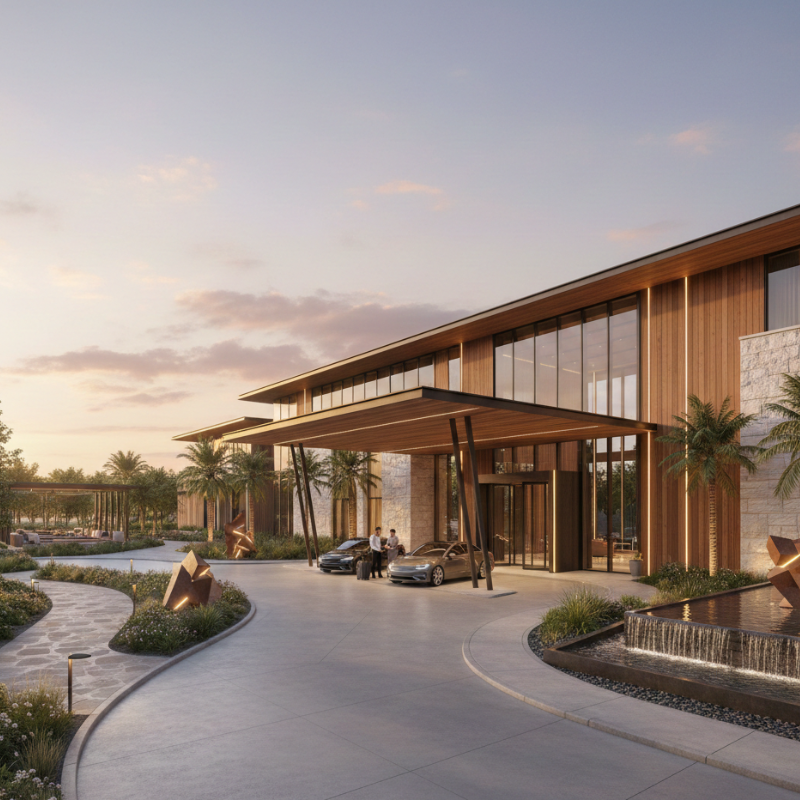
A guest’s experience starts long before they enter their room. The exterior design, entrance layout, and surrounding landscape set expectations instantly. A well-designed façade communicates the brand’s personality—whether it is luxurious, relaxed, modern, or culturally rooted. Clear signage, intuitive pathways, and welcoming entrances help guests feel confident and at ease from the very beginning.
Architecture that considers arrival flow, drop-off zones, and visual cues reduces confusion and stress, creating a positive first impression that carries throughout the stay.
Spatial Planning That Feels Effortless
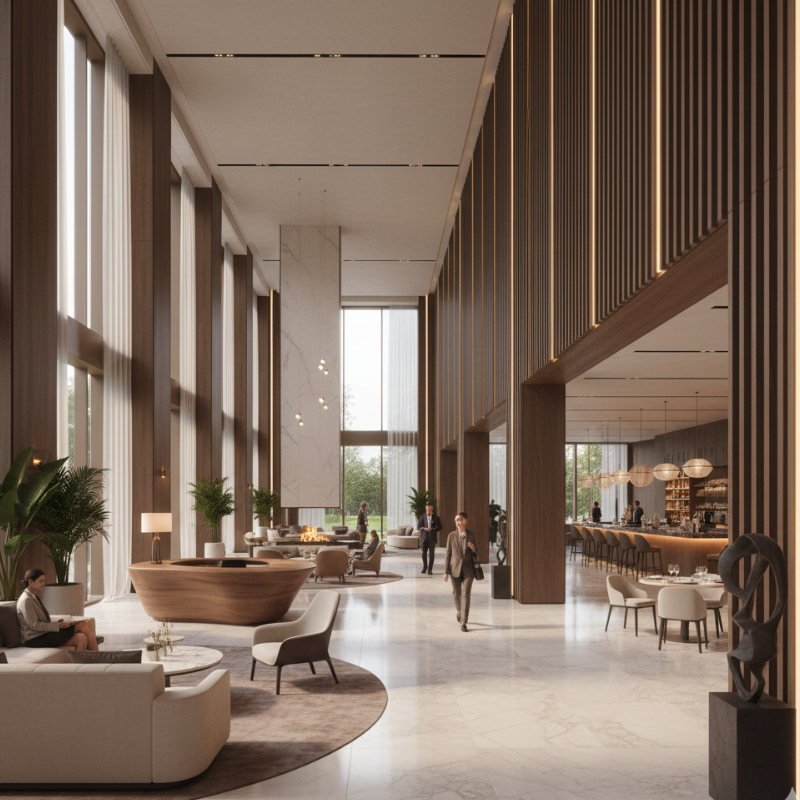
Good hospitality architecture feels intuitive. Guests should never have to wonder where to go next. Thoughtful spatial planning ensures smooth transitions between public and private areas such as lobbies, lounges, restaurants, and guest rooms.
Wide corridors, logical layouts, and visual connections between spaces make navigation easy, even for first-time visitors. When movement feels natural, guests feel relaxed and in control—an essential part of a pleasant hospitality experience.
Comfort Through Design

Comfort is not limited to soft furnishings or climate control; it is deeply connected to architectural decisions. Ceiling heights, natural light, acoustics, and material choices all play a role in how comfortable a space feels.
Hotels with generous daylight, balanced proportions, and good sound insulation naturally promote rest and well-being. Thoughtful room layouts that consider privacy, storage, and views enhance comfort without guests even realizing why the space feels right.
Emotional Connection and Atmosphere
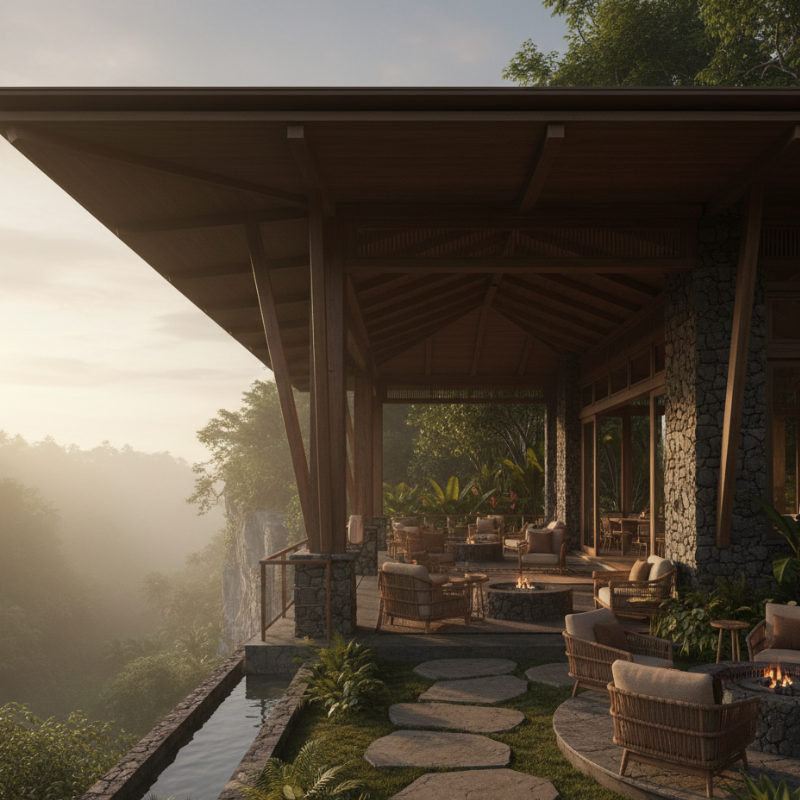
Hospitality architecture has the power to evoke emotion. Warm materials, natural textures, and carefully framed views can create feelings of calm, excitement, or luxury. Architecture that responds to its location—through local materials, cultural references, or climate-sensitive design—helps guests feel connected to the place they are visiting.
This sense of “place” is especially important in today’s experience-driven travel culture. Guests increasingly value authenticity, and architecture plays a key role in telling that story.
Enhancing Social Interaction and Privacy
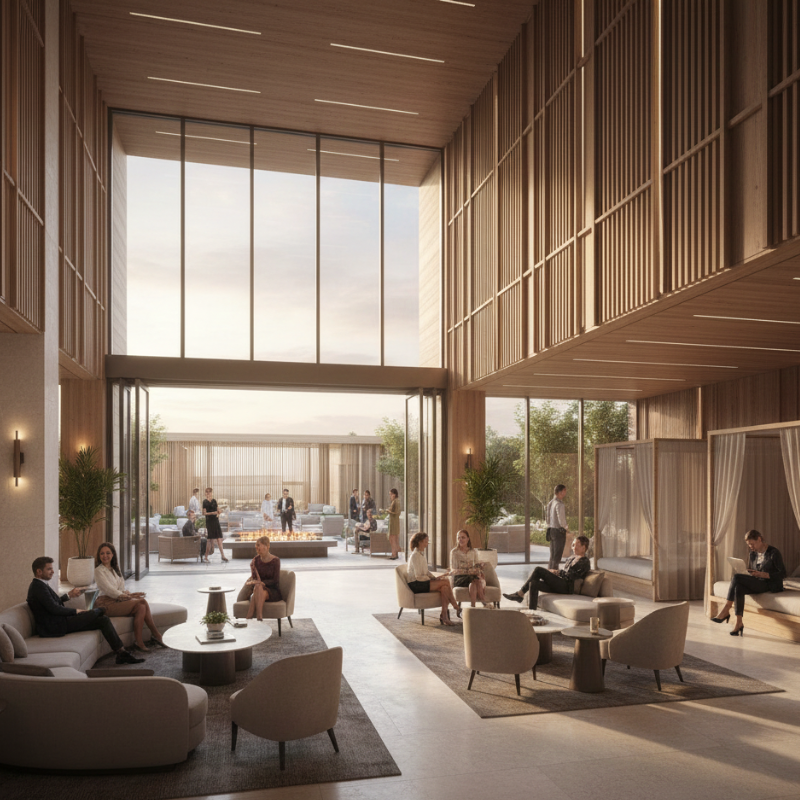
A successful hospitality environment balances social energy with personal retreat. Architectural zoning helps achieve this balance by clearly defining lively communal areas and quieter private spaces.
Open-plan lobbies, shared lounges, and outdoor terraces encourage interaction and connection, while thoughtfully designed guest rooms and secluded corners offer privacy and rest. When architecture supports both, guests can choose how they want to experience the space, making their stay more personal and enjoyable.
Sustainability as a Guest Experience Enhancer

Sustainable hospitality architecture is no longer just an environmental choice—it is a guest experience factor. Natural ventilation, shaded outdoor spaces, energy-efficient systems, and eco-friendly materials create healthier and more comfortable environments.
Guests increasingly appreciate hotels that align with responsible values. Architecture that integrates sustainability seamlessly—without compromising aesthetics or comfort—enhances both brand perception and guest satisfaction.
Supporting Operational Efficiency

Behind the scenes, architecture also affects staff efficiency, which directly impacts guest experience. Well-planned service areas, back-of-house circulation, and functional layouts enable staff to work smoothly and respond quickly to guest needs.
When operations run efficiently, service feels effortless to the guest. This invisible support system is a hallmark of well-designed hospitality architecture.
Architecture as a Brand Storytelling Tool
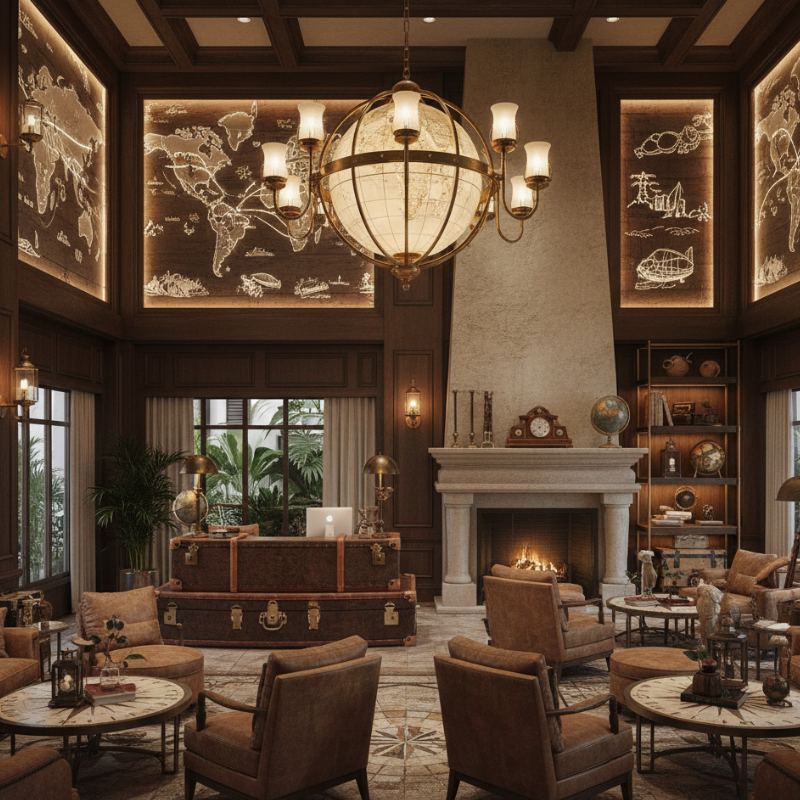
Every hospitality brand has a story, and architecture is one of its most powerful storytellers. From boutique hotels with distinct identities to large resorts designed around a central theme, architecture reinforces brand values through form, materials, and spatial experience.
Consistent design language across rooms, public spaces, and outdoor areas creates a cohesive experience that guests remember long after their stay.
The Long-Term Impact on Guest Loyalty

Guests may not always consciously analyze architectural details, but they remember how a space made them feel. A hotel that feels intuitive, comfortable, and inspiring is more likely to leave a positive emotional imprint.
This emotional connection encourages repeat visits, positive reviews, and word-of-mouth recommendations. In a competitive hospitality market, architecture becomes a long-term investment in guest loyalty and brand success.
Final Thoughts
Hospitality architecture is far more than visual appeal—it is a strategic tool that shapes how guests experience a space from arrival to departure. By focusing on comfort, flow, emotional connection, sustainability, and operational support, thoughtful architectural design elevates the entire guest journey.
As expectations continue to rise, hospitality spaces that prioritize experience-driven architecture will stand out, attract discerning travelers, and build lasting impressions.
If you’re exploring ideas or inspiration for hospitality-focused architectural design, thoughtful planning and experience-led thinking can make all the difference. Designing with the guest in mind is not just good architecture—it’s good hospitality.