


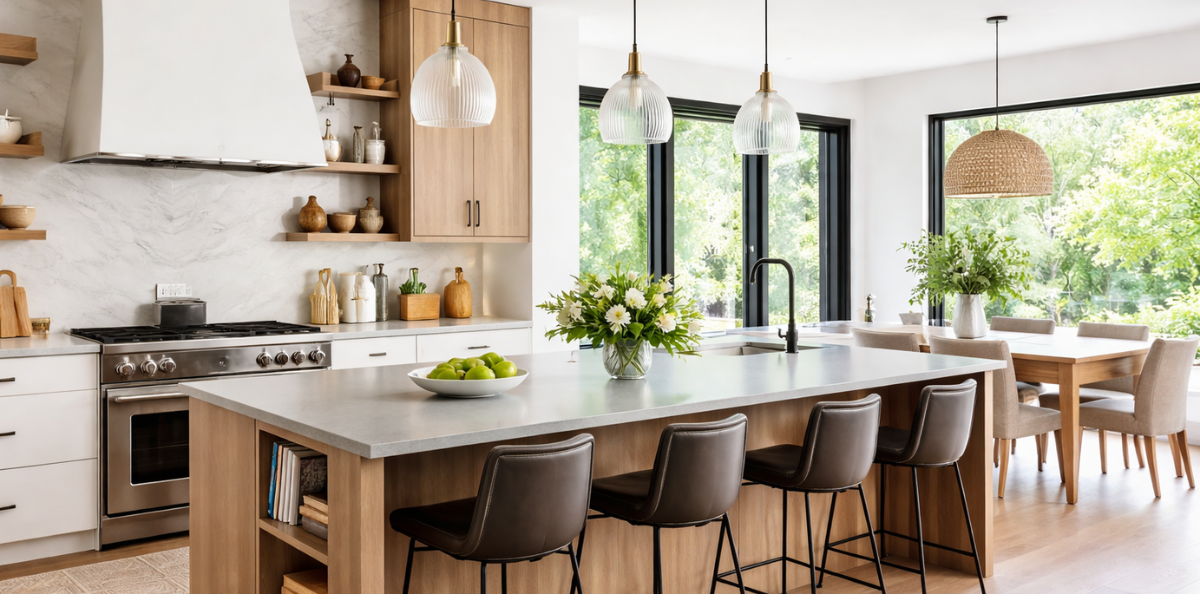
The kitchen has evolved far beyond a place reserved only for cooking. Today, it is a social hub, a dining area, and often the heart of the home. Choosing the right kitchen layout plays a crucial role in how efficiently the space functions and how comfortably it supports daily life. A well-planned layout can streamline movement, improve storage, and create a seamless connection between cooking and dining areas.
In this guide, we explore the best kitchen layouts for efficient cooking and dining spaces, helping you understand which design works best for different home sizes, lifestyles, and architectural styles.
Why Kitchen Layout Matters More Than You Think
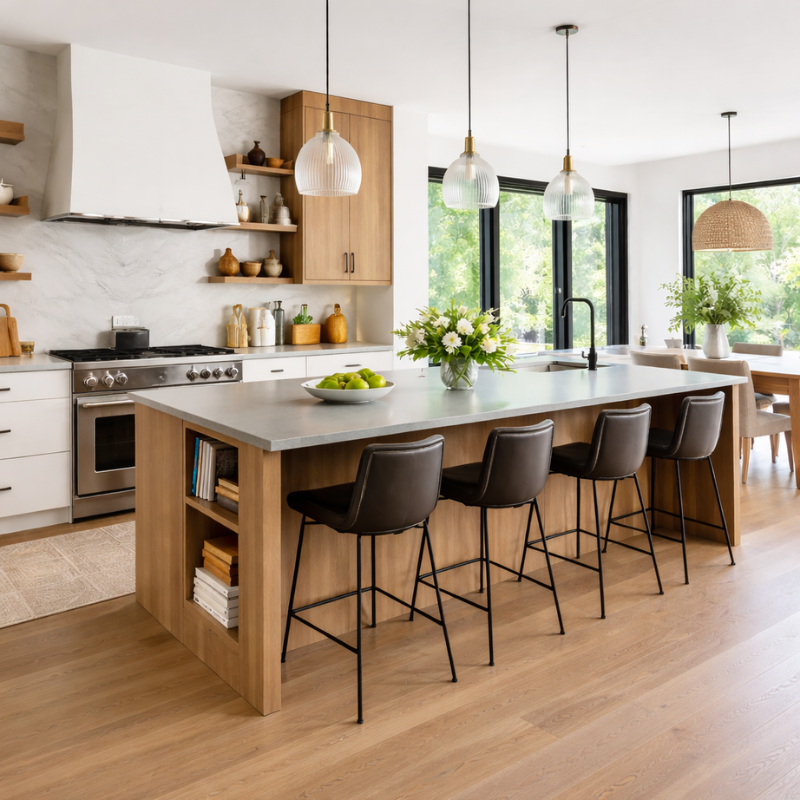
An efficient kitchen layout is about more than aesthetics. It directly affects workflow, safety, and usability. The placement of appliances, countertops, and dining areas determines how easily you can prepare meals, serve food, and interact with others in the space.
Good layouts reduce unnecessary movement, prevent congestion, and make even compact kitchens feel functional. When paired with thoughtful dining integration, they can transform the kitchen into a space that supports both productivity and connection.
The One-Wall Kitchen Layout
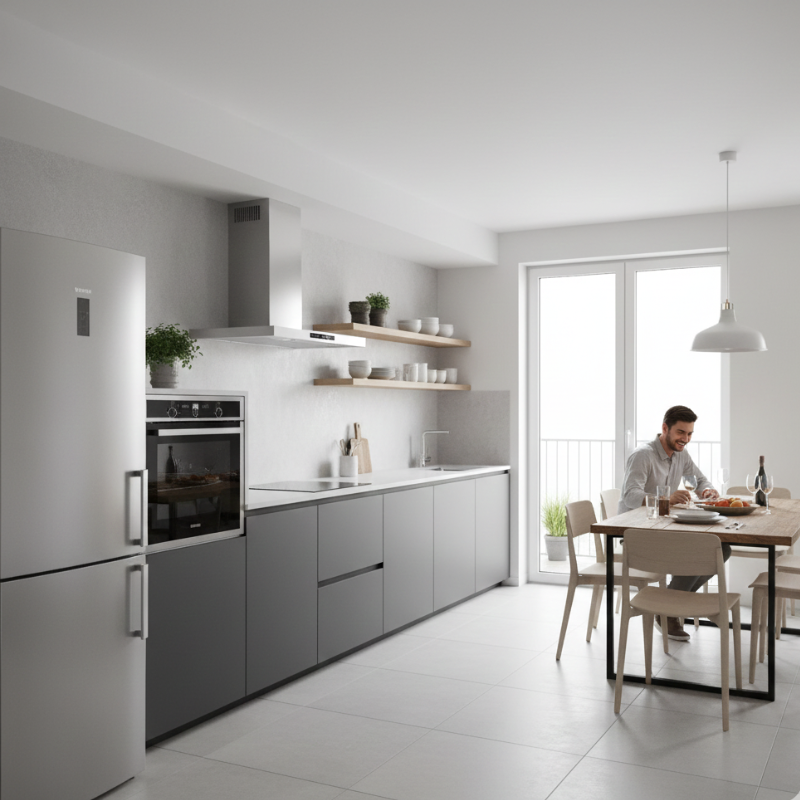
The one-wall kitchen is a popular choice for studio apartments, small homes, and open-plan living spaces. All appliances, cabinets, and countertops are arranged along a single wall, keeping everything within easy reach.
Why it works:
- Saves space and keeps the room visually open
- Encourages a clean, minimalist design
- Allows dining tables or islands to sit comfortably opposite the kitchen wall
This layout is ideal when combined with a dining table or breakfast bar placed nearby, making it easy to transition from cooking to dining without crowding the space.
The Galley Kitchen Layout
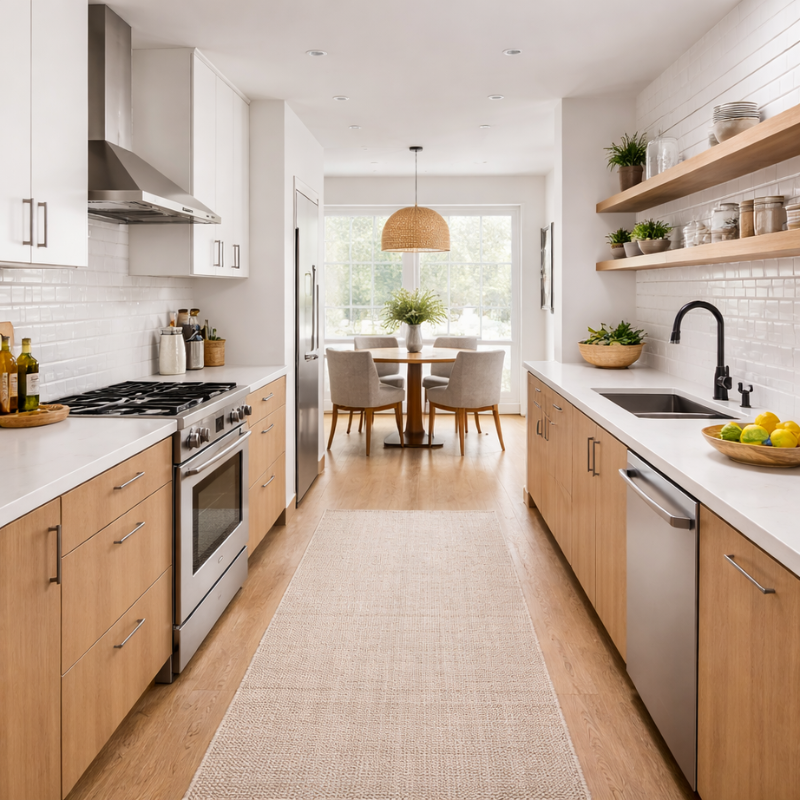
Galley kitchens feature two parallel counters with a walkway in between. This layout is known for efficiency, especially for serious cooking.
Why it works:
- Minimizes walking distance between appliances
- Creates a focused cooking zone
- Ideal for narrow or rectangular spaces
While traditional galley kitchens lack dining space, modern designs often open one side to incorporate a compact dining nook or connect directly to a dining area, balancing efficiency with social interaction.
The L-Shaped Kitchen Layout
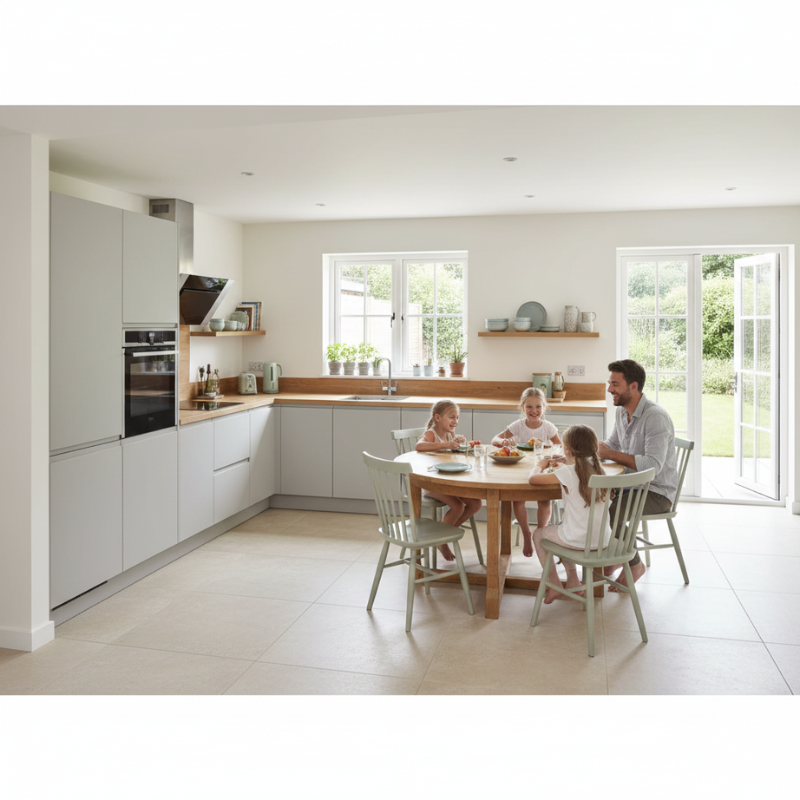
The L-shaped kitchen is one of the most versatile and widely used layouts. It places countertops along two adjacent walls, forming an “L” shape.
Why it works:
- Excellent for both small and medium-sized kitchens
- Naturally supports the kitchen work triangle
- Leaves room for a dining table or island
This layout creates an open and welcoming environment, making it easy to integrate a dining area without disrupting workflow. It’s particularly effective in homes that value casual dining and family interaction.
The U-Shaped Kitchen Layout
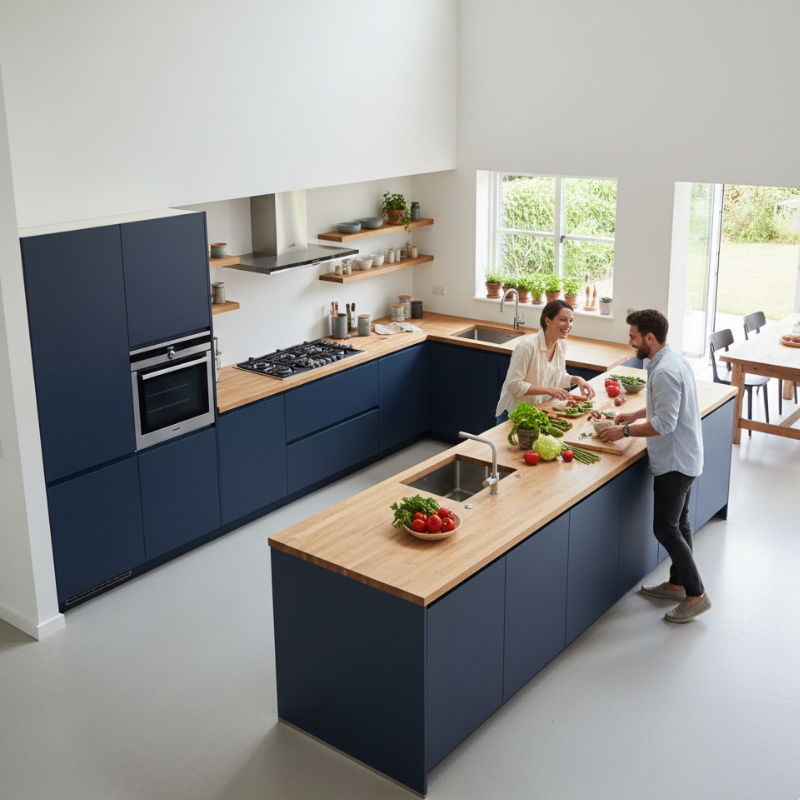
For those who prioritize storage and counter space, the U-shaped kitchen is a strong contender. It wraps the kitchen around three walls, creating a highly functional workspace.
Why it works:
- Maximum counter and storage space
- Efficient workflow with minimal movement
- Ideal for dedicated cooking zones
To avoid feeling enclosed, many U-shaped kitchens open one side toward a dining area or living space. This approach maintains efficiency while keeping the kitchen socially connected.
The Island Kitchen Layout
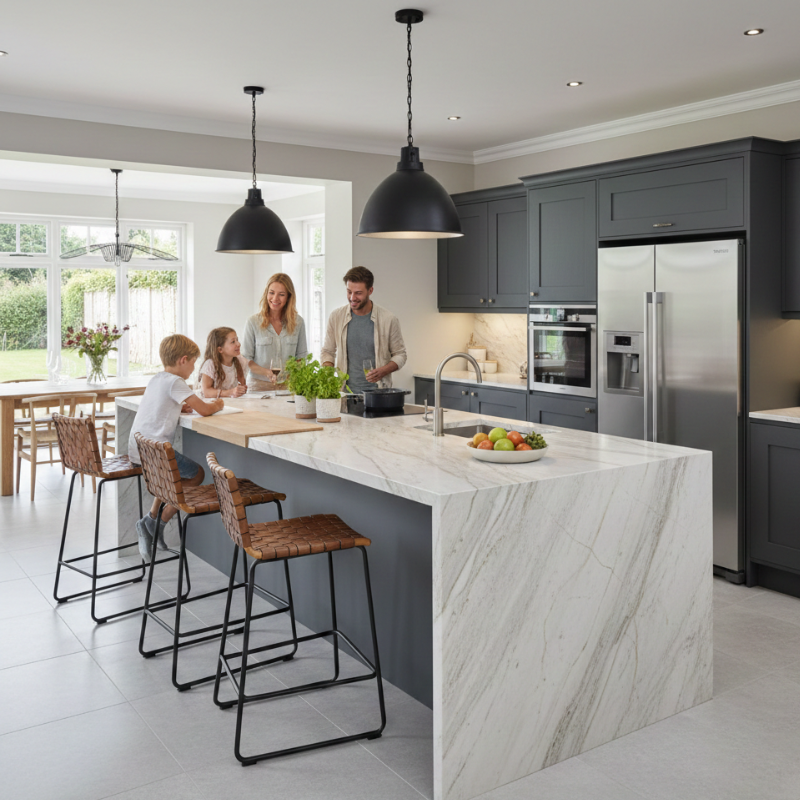
Kitchen islands have become a defining feature of modern homes. Whether paired with an L-shaped or U-shaped layout, islands add flexibility and style.
Why it works:
- Provides extra prep space and storage
- Functions as a casual dining area
- Encourages interaction between cooking and dining
An island with seating is perfect for quick meals, entertaining guests, or supervising children while cooking. When designed thoughtfully, it becomes the bridge between cooking and dining spaces.
The Peninsula Kitchen Layout
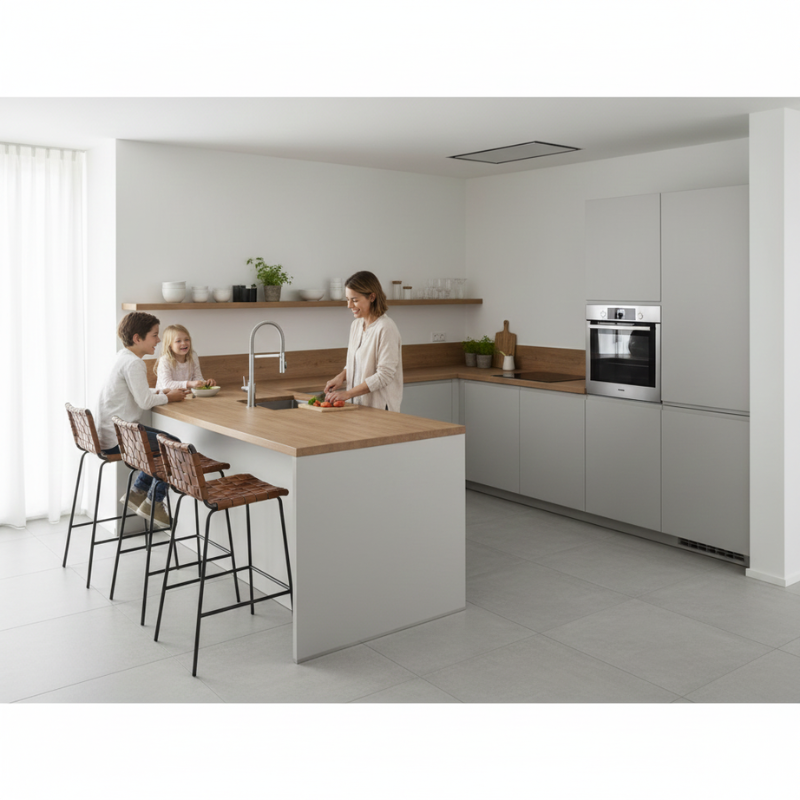
Similar to an island but connected to existing cabinetry, a peninsula kitchen offers many of the same benefits while using less space.
Why it works:
- Ideal for smaller homes or apartments
- Defines the kitchen area in open-plan layouts
- Adds dining seating without a full island
Peninsulas are excellent for homes that want a social, open kitchen feel without sacrificing too much floor space.
Open-Plan Kitchens with Integrated Dining
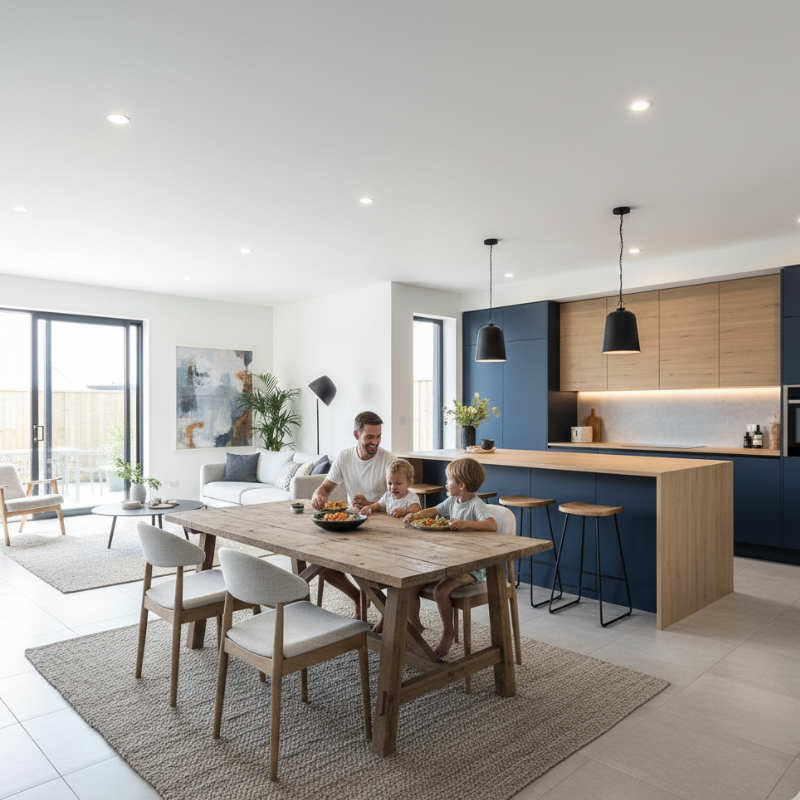
Open-plan kitchens are increasingly popular for their ability to connect cooking, dining, and living areas. Rather than separating these functions, open layouts encourage flow and interaction.
Why it works:
- Makes spaces feel larger and brighter
- Ideal for entertaining and family living
- Allows flexible dining arrangements
The key to success lies in zoning—using lighting, furniture placement, and materials to visually define cooking and dining areas while maintaining cohesion.
Choosing the Right Layout for Your Home
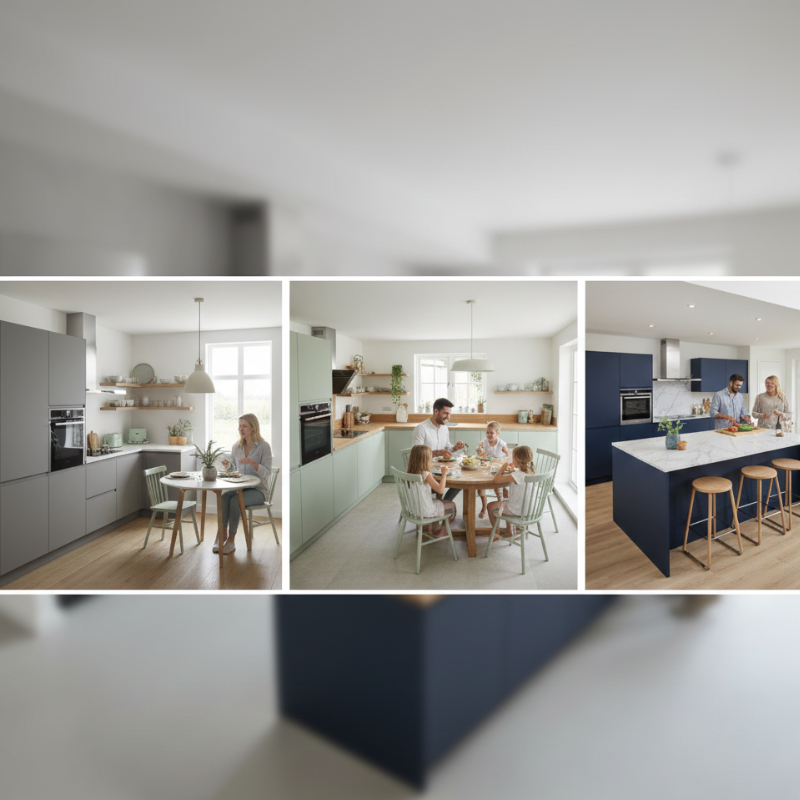
The best kitchen layout depends on several factors, including available space, cooking habits, and how often you entertain. A compact apartment may benefit from a one-wall or galley kitchen, while larger homes can take advantage of islands or U-shaped designs.
It’s also important to consider how the dining area fits into daily routines. Whether it’s a formal dining table or casual island seating, the relationship between cooking and dining should feel intuitive and comfortable.
Final Thoughts
Efficient kitchen layouts are the foundation of well-designed cooking and dining spaces. When planned correctly, they improve functionality, enhance comfort, and elevate the overall experience of the home. From compact solutions to expansive open-plan designs, the right layout can transform how you cook, eat, and connect with others.
At Ideas for Architecture, we believe thoughtful design begins with understanding how spaces are truly used. Exploring the right kitchen layout is a powerful first step toward creating interiors that are both practical and inspiring. If you’re planning a new kitchen or reimagining an existing one, taking inspiration from proven layouts can help you design a space that works beautifully for everyday life.