


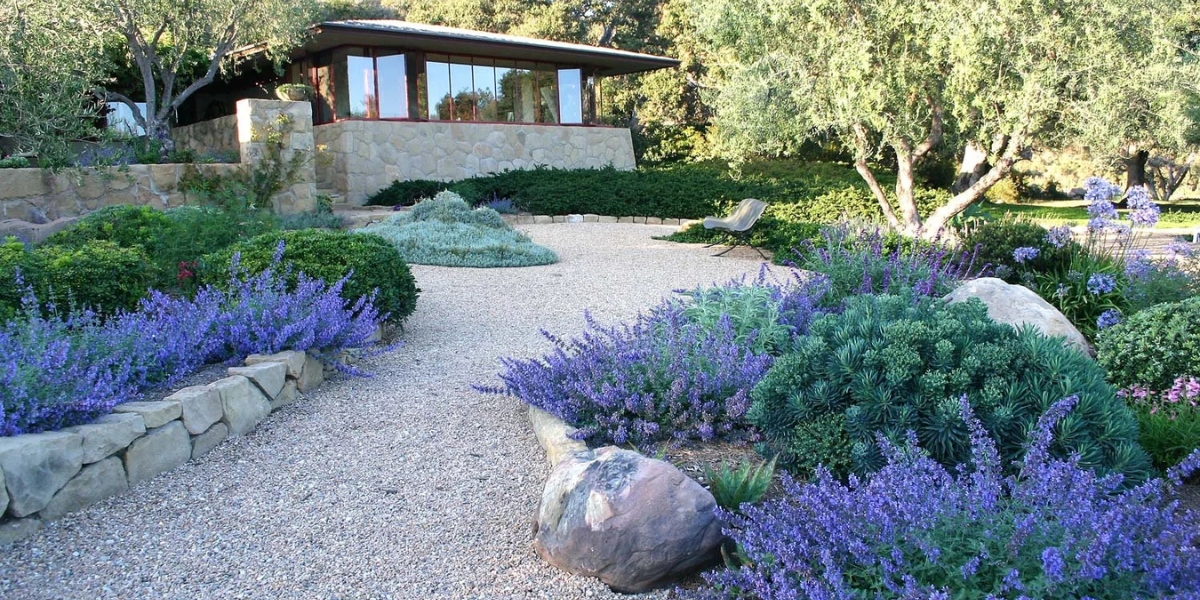
As climate concerns and water restrictions become more common worldwide, homeowners and designers are rethinking how outdoor spaces are planned and maintained. Sustainable landscaping has emerged as a practical solution that not only supports the environment but also makes gardens easier and more cost-effective to manage. By working with nature instead of against it, sustainable landscaping helps save water, reduce ongoing maintenance, and create outdoor spaces that thrive long-term.
For modern homes and architectural projects, this approach is no longer optional—it’s a smart design choice.
Understanding Sustainable Landscaping
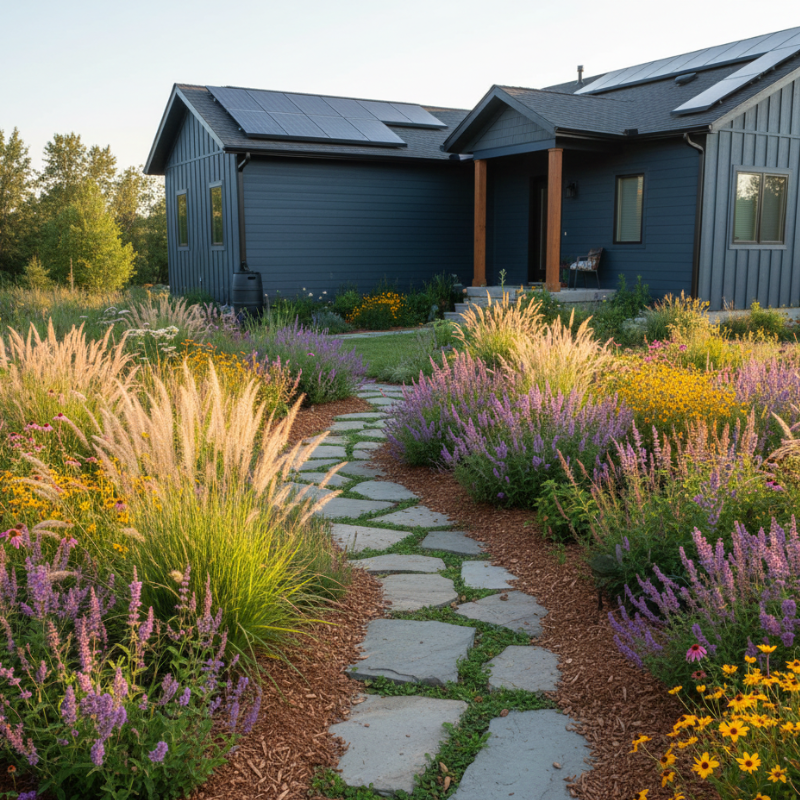
Sustainable landscaping focuses on designing outdoor spaces that require fewer resources while remaining visually appealing and functional. It considers local climate, soil conditions, plant selection, and efficient water use. Instead of relying on water-intensive lawns or high-maintenance plants, sustainable landscapes are built to be resilient, efficient, and adaptable.
The result is an outdoor environment that looks good throughout the year without constant watering, trimming, or chemical treatments.
How Sustainable Landscaping Reduces Water Usage
1. Smart Plant Selection
One of the most effective ways sustainable landscaping saves water is through native and drought-tolerant plants. These plants are naturally adapted to the local climate and rainfall patterns, meaning they can survive with minimal supplemental watering.
Unlike exotic species that demand frequent irrigation, native plants establish deeper root systems, allowing them to access moisture naturally stored in the soil. Over time, this significantly reduces overall water consumption.
2. Efficient Irrigation Systems
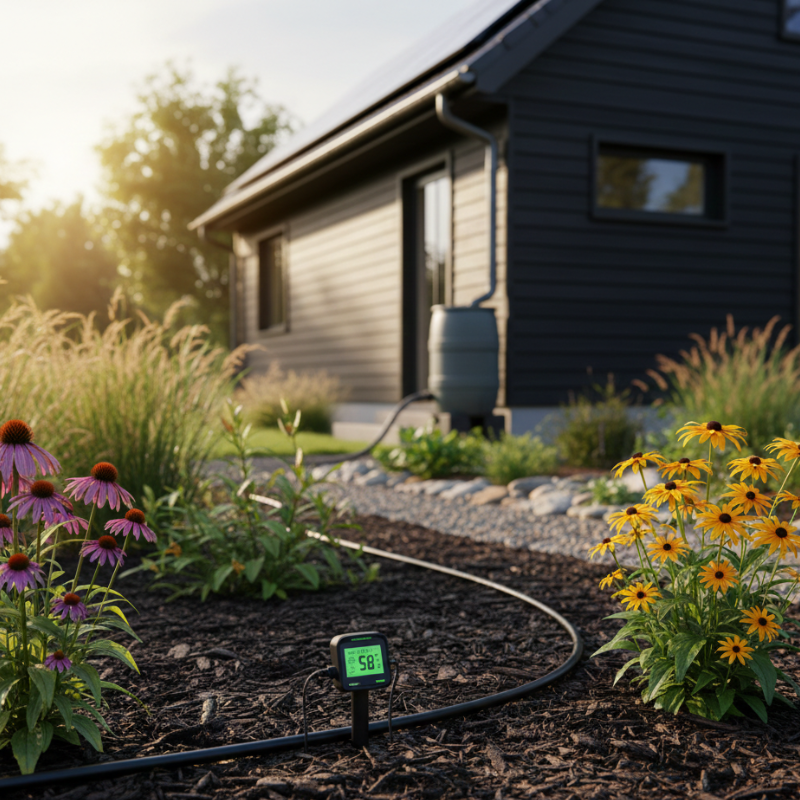
Traditional sprinkler systems often waste water through evaporation and runoff. Sustainable landscaping prioritizes water-efficient irrigation, such as drip systems or soaker hoses, which deliver water directly to plant roots.
Additional water-saving strategies include:
- Automated irrigation timers
- Soil moisture sensors
- Zoned watering based on plant needs
These systems ensure plants receive just the right amount of water—nothing more, nothing less.
3. Rainwater Harvesting and Reuse
Another key feature of sustainable outdoor design is rainwater harvesting. Collecting rainwater through tanks or barrels allows homeowners to reuse natural rainfall for irrigation, reducing reliance on municipal water supplies.
When combined with water-efficient landscaping layouts, rainwater systems can dramatically lower outdoor water use, especially during dry seasons.
Reducing Maintenance Through Sustainable Design
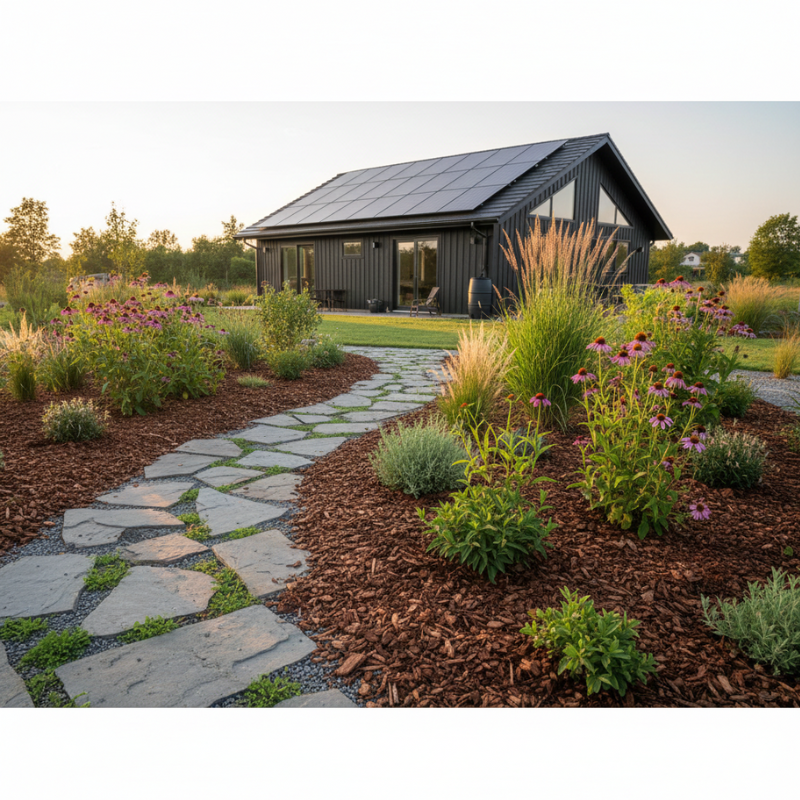
Saving water is only part of the benefit. Sustainable landscaping also significantly reduces maintenance requirements, making it ideal for busy homeowners and long-term property planning.
1. Less Mowing, Trimming, and Replanting
Traditional lawns require regular mowing, fertilizing, edging, and watering. Sustainable alternatives such as native ground covers, decorative gravel, or low-growing plant varieties reduce the need for constant upkeep.
Fewer lawn areas mean:
- Less time spent mowing
- Lower fuel or electricity use
- Reduced need for fertilizers and weed control
2. Healthier Soil, Fewer Problems
Healthy soil plays a major role in low-maintenance landscaping. Sustainable practices focus on enriching soil with compost, organic matter, and natural mulch instead of chemical fertilizers.
Benefits of healthy soil include:
- Better moisture retention
- Fewer pest issues
- Stronger plant growth
- Reduced erosion
When soil health improves, plants become more resilient, requiring less intervention to stay healthy.
3. Mulching for Moisture and Weed Control
Mulching is a simple yet powerful sustainable landscaping technique. Organic mulch helps retain soil moisture, regulates temperature, and suppresses weed growth.
With proper mulching:
- Water evaporates more slowly.
- Weeds struggle to grow
- Plants experience less stress
This directly reduces watering frequency and manual weeding—two major maintenance tasks in traditional gardens.
Designing with Long-Term Efficiency in Mind
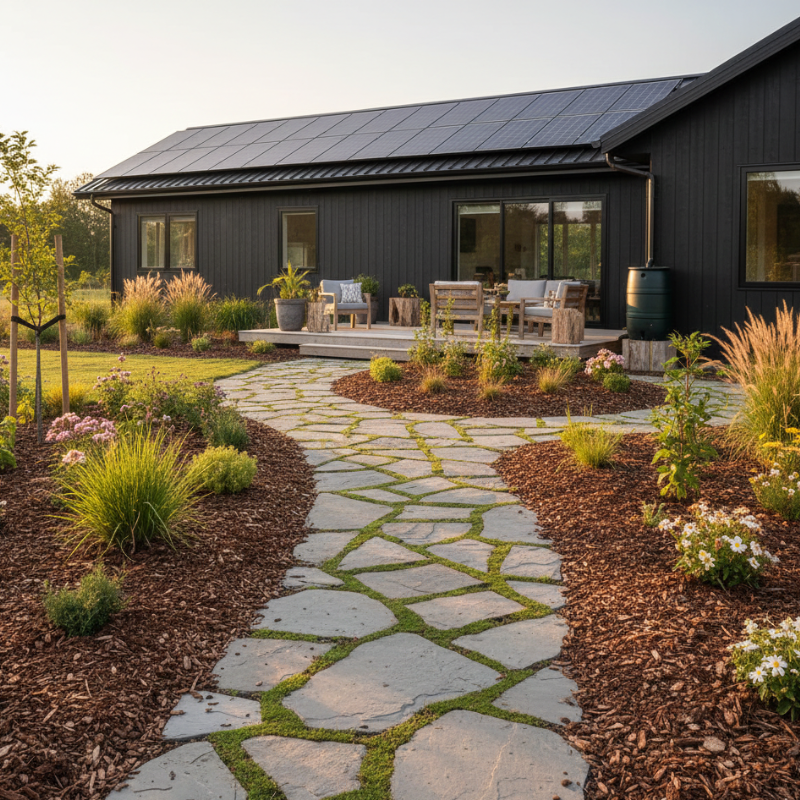
Sustainable landscaping is not about quick results—it’s about long-term performance. Thoughtful design choices made early can prevent years of unnecessary maintenance later.
Key long-term considerations include:
- Proper plant spacing to avoid overcrowding
- Durable, weather-resistant materials
- Permeable paving to manage runoff
- Clear garden zones for easy care
By planning for how the landscape will mature over time, maintenance becomes simpler and more predictable.
Sustainable Landscaping and Cost Savings
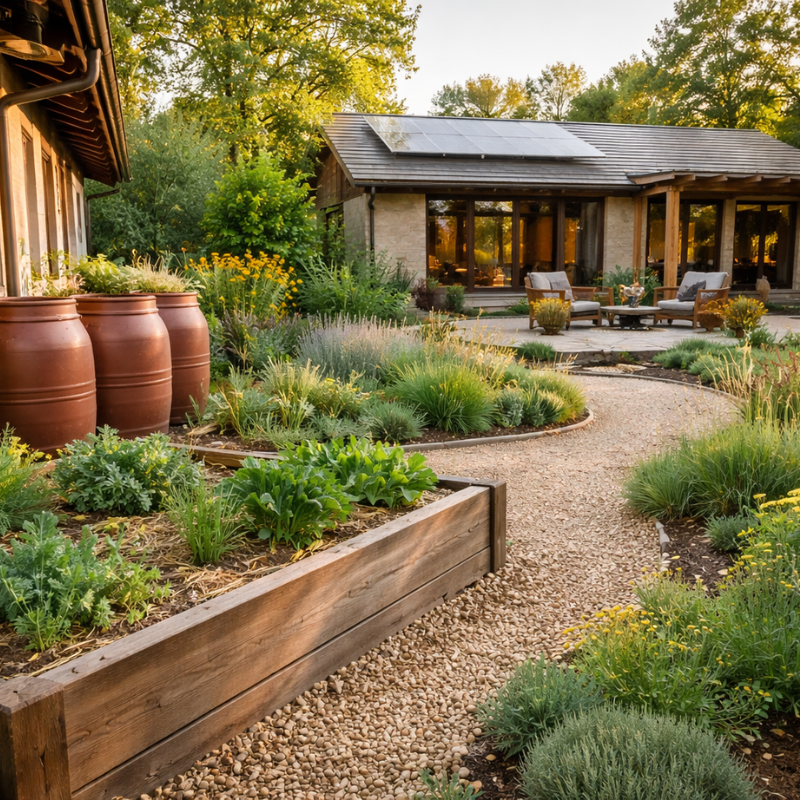
Lower water usage and reduced maintenance naturally lead to long-term cost savings. Homeowners benefit from:
- Reduced water bills
- Fewer landscaping repairs
- Less spending on fertilizers and pesticides
- Lower equipment and labor costs
While sustainable landscaping may require thoughtful planning upfront, the ongoing financial benefits quickly outweigh the initial investment.
A Smarter Choice for Modern Outdoor Spaces
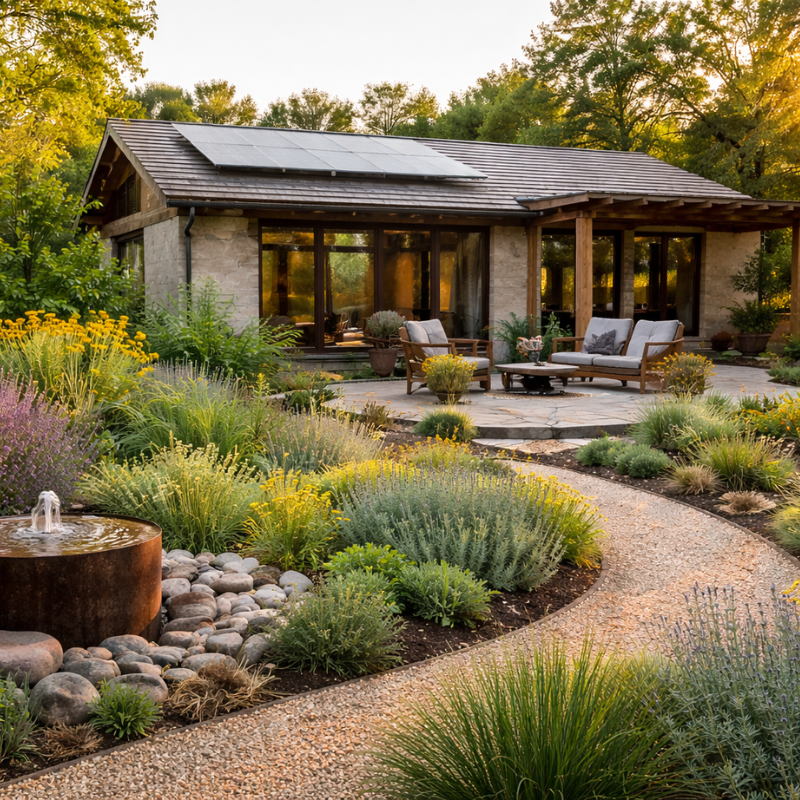
Beyond water savings and maintenance reduction, sustainable landscaping aligns with modern architectural values. It supports environmentally responsible living, enhances outdoor comfort, and creates spaces that feel naturally balanced.
For residential properties, commercial developments, and architectural projects alike, sustainable landscaping offers a practical way to design outdoor areas that are both beautiful and efficient.
Final Thoughts
Sustainable landscaping proves that saving water and reducing maintenance doesn’t mean sacrificing design quality. By choosing the right plants, improving soil health, using efficient irrigation, and planning for longevity, outdoor spaces can become easier to manage and more environmentally responsible.
As water conservation and sustainable design continue to shape modern architecture, adopting these landscaping principles is a forward-thinking step. Thoughtful outdoor design today leads to lower maintenance, smarter water use, and healthier spaces for years to come—making sustainable landscaping a choice that truly pays off.