


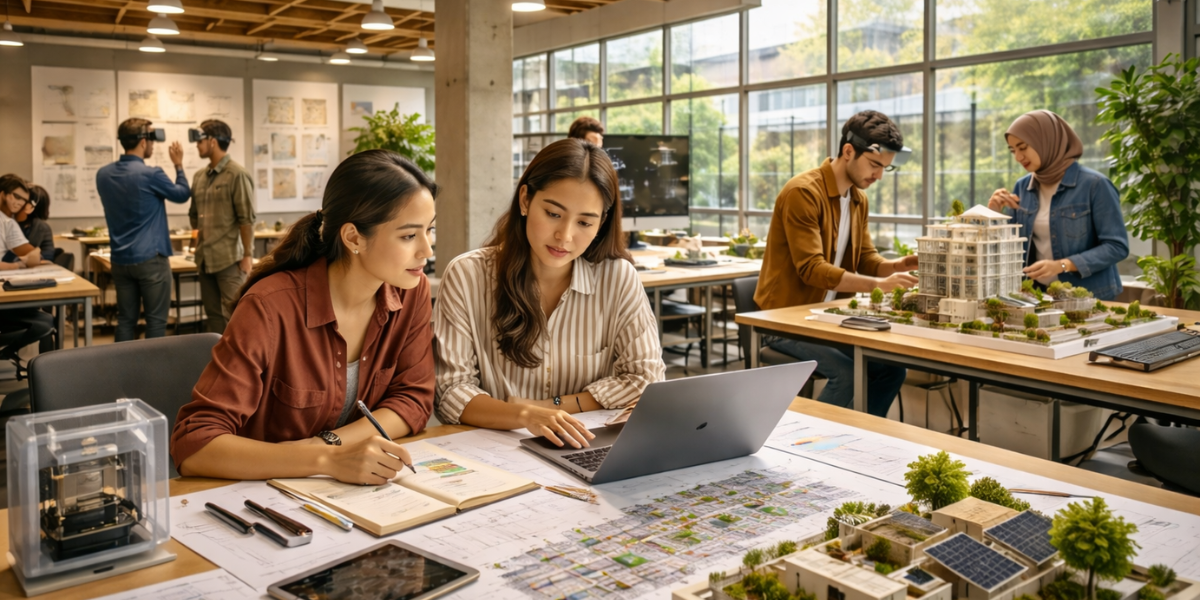
Architectural education is evolving rapidly, shaped by technological advances, changing social priorities, and the growing complexity of the built environment. Today’s architecture students are no longer trained solely to design buildings; they are being prepared to solve real-world problems that intersect with sustainability, culture, technology, and human behavior.
As the profession continues to transform, architectural education is responding with new teaching models, tools, and philosophies. Understanding these emerging trends is essential not only for students and educators but also for professionals who want to stay connected to the future of the discipline.
A Shift from Static Learning to Experiential Education
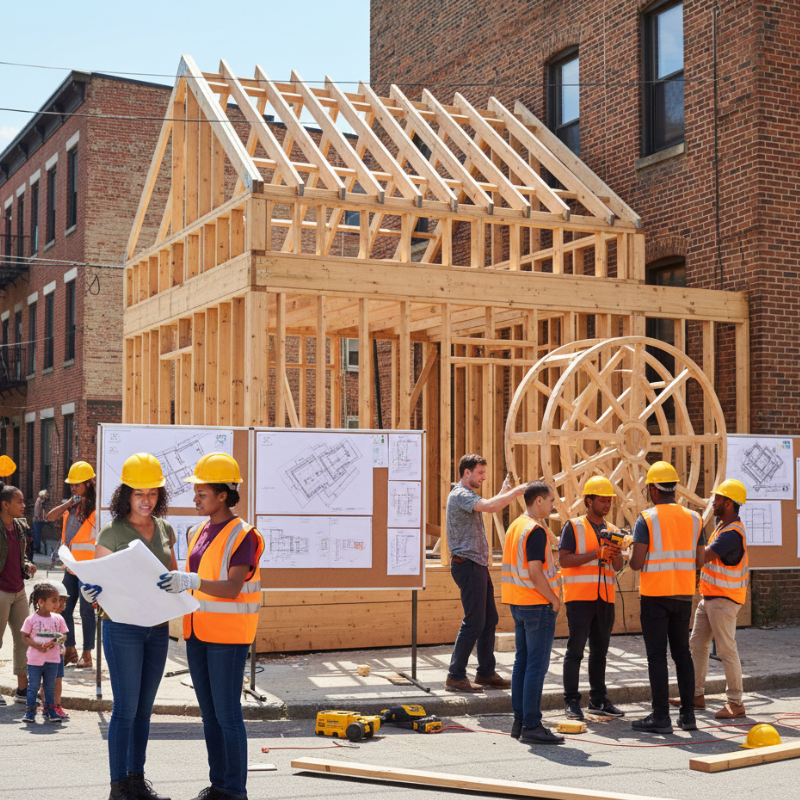
One of the most significant changes in architectural education is the move away from purely theoretical instruction toward experiential, hands-on learning. Design studios remain central, but they are now complemented by live projects, community-based initiatives, and real-world collaborations.
Students are increasingly encouraged to engage with actual sites, clients, and social contexts. This approach helps bridge the gap between academic concepts and professional practice, allowing learners to understand the consequences of design decisions beyond drawings and models.
Experiential learning fosters critical thinking, adaptability, and problem-solving—skills that are essential in today’s architectural landscape.
Technology as a Core Learning Tool
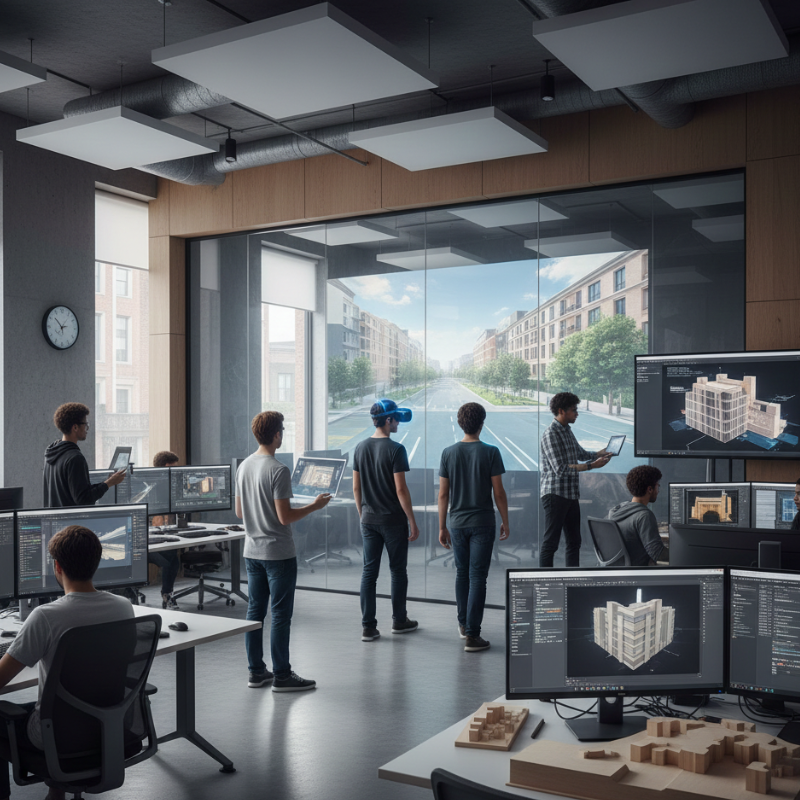
Digital technology has become inseparable from architectural education. Tools such as Building Information Modelling (BIM), parametric design software, virtual reality (VR), and augmented reality (AR) are now integral to the curriculum rather than optional additions.
These technologies allow students to simulate environments, test materials, and visualize spatial experiences with greater accuracy. Virtual walkthroughs and immersive design reviews are helping learners understand scale, proportion, and user experience in ways traditional drawings cannot.
Importantly, technology is not replacing design thinking; instead, it is enhancing it by providing more informed and data-driven design processes.
Sustainability at the Center of the Curriculum
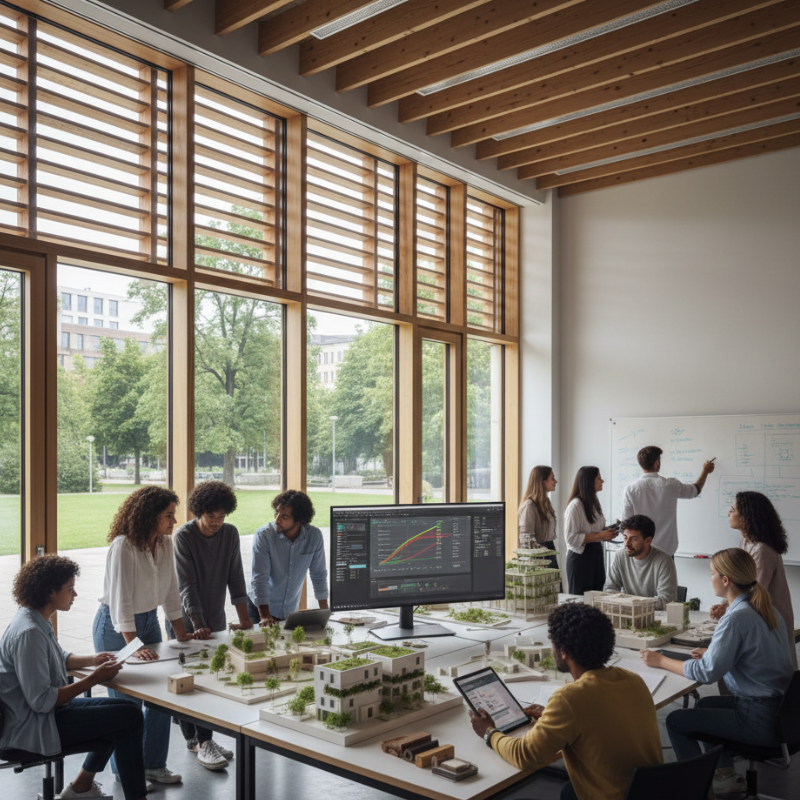
Sustainability is no longer treated as a niche subject in architectural education. It has become a foundational principle that influences design decisions from the earliest stages of learning.
Architecture programs are placing greater emphasis on climate-responsive design, passive strategies, material lifecycle analysis, and energy efficiency. Students are encouraged to consider environmental impact alongside aesthetics and function.
This shift reflects the profession’s responsibility to address climate change and resource scarcity. By embedding sustainability into education, institutions are shaping architects who are conscious of their role in creating resilient and responsible built environments.
Interdisciplinary Learning and Collaboration
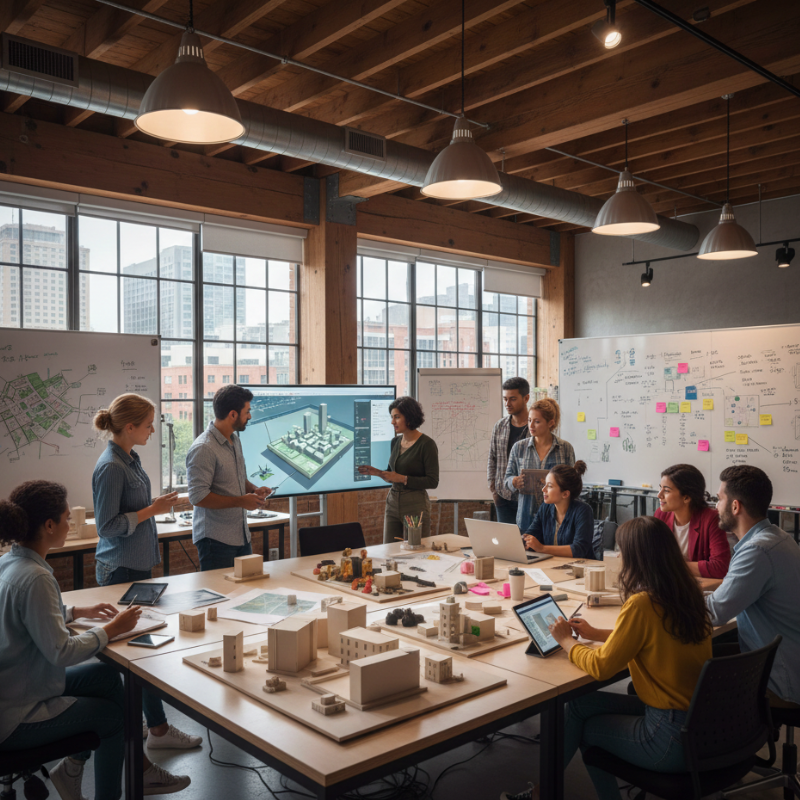
Modern architectural challenges rarely exist in isolation. As a result, architectural education is increasingly interdisciplinary. Students are collaborating with peers from fields such as urban planning, engineering, environmental science, sociology, and even psychology.
This cross-disciplinary exposure helps future architects understand how different perspectives influence the built environment. It also prepares them for collaborative professional settings where teamwork across disciplines is the norm.
Interdisciplinary learning encourages holistic thinking, enabling students to design spaces that respond to social, technical, and environmental factors simultaneously.
Redefining the Role of the Design Studio
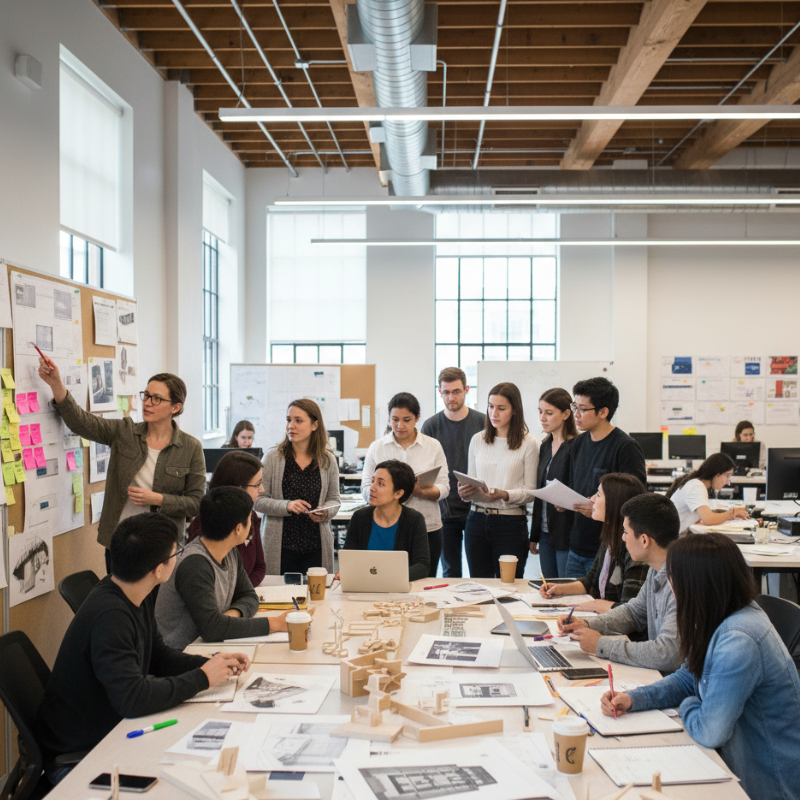
The design studio remains the heart of architectural education, but its role is being redefined. Rather than focusing solely on final outcomes, studios are now emphasizing process, research, and iteration.
Students are encouraged to question briefs, explore multiple design paths, and justify their decisions through evidence-based research. Studio critiques are becoming more dialog-driven, fostering reflection rather than one-directional evaluation.
This approach nurtures confidence and independent thinking, helping students develop their own design voices while remaining responsive to context and constraints.
Greater Focus on Social Responsibility and Ethics

Architecture does not exist in a vacuum—it directly affects communities, cultures, and everyday life. Architectural education is increasingly addressing issues of social equity, inclusivity, and ethical practice.
Topics such as affordable housing, accessible design, informal settlements, and community engagement are gaining prominence. Students are learning to design with empathy, recognizing the social implications of architectural decisions.
This shift is producing architects who are not only skilled designers but also socially conscious professionals capable of contributing meaningfully to society.
Global Perspectives and Cultural Awareness

With architecture becoming more globally interconnected, educational institutions are expanding their focus beyond local contexts. Exchange programs, global studios, and cross-cultural research initiatives are exposing students to diverse architectural traditions and practices.
Understanding different cultural approaches to space, materials, and urban form enriches design thinking and broadens creative perspectives. It also prepares students to work in international or multicultural environments.
Global awareness in architectural education helps foster sensitivity, adaptability, and respect—qualities that are increasingly important in a connected world.
Lifelong Learning and Adaptive Skill Sets

Another emerging trend is the recognition that architectural education does not end at graduation. Rapid changes in technology, regulations, and design methodologies mean architects must continually update their skills.
Educational institutions are responding by promoting lifelong learning through workshops, online courses, and professional development pathways. Students are being taught how to learn, adapt, and evolve rather than relying on fixed knowledge.
This mindset ensures that future architects remain relevant and resilient throughout their careers.
Looking Ahead
Architectural education is undergoing a thoughtful transformation—one that reflects the evolving responsibilities of the profession. By embracing technology, sustainability, interdisciplinary collaboration, and social awareness, education systems are shaping architects who are better equipped for the challenges ahead.
These emerging trends highlight a future where architectural learning is dynamic, inclusive, and deeply connected to the real world.
For more insights into architectural thinking, education, and design ideas shaping the built environment, explore our latest articles at Ideas for Architecture.