


Architecture does more than define how a building looks—it influences how people think, feel, and interact within a space. Nowhere is this impact more profound than in learning environments. From primary schools to universities and training centres, architectural design plays a crucial role in shaping how students learn, collaborate, and grow.
In recent years, educators and designers alike have begun to recognise that well-designed educational spaces are not just functional necessities but powerful tools that can enhance focus, creativity, and overall learning outcomes.
The Connection Between Space and Learning
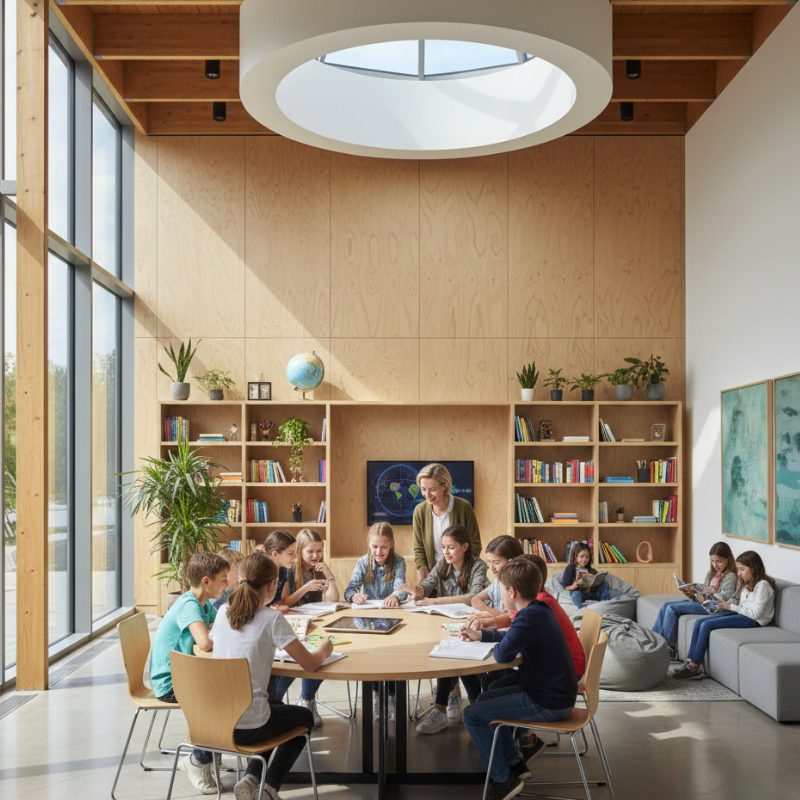
Learning is not a passive activity. It involves concentration, curiosity, collaboration, and emotional engagement. Architectural design can either support or hinder these processes.
For example, poorly lit classrooms, cramped layouts, or excessive noise can lead to fatigue and reduced attention spans. In contrast, spaces that maximise natural light, provide visual openness, and allow for flexible movement tend to promote alertness and comfort. Research consistently shows that students perform better in environments that feel welcoming, safe, and thoughtfully designed.
Architecture, in this sense, becomes an invisible educator—guiding behaviour and shaping experiences without a single word being spoken.
Natural Light, Ventilation, and Well-Being
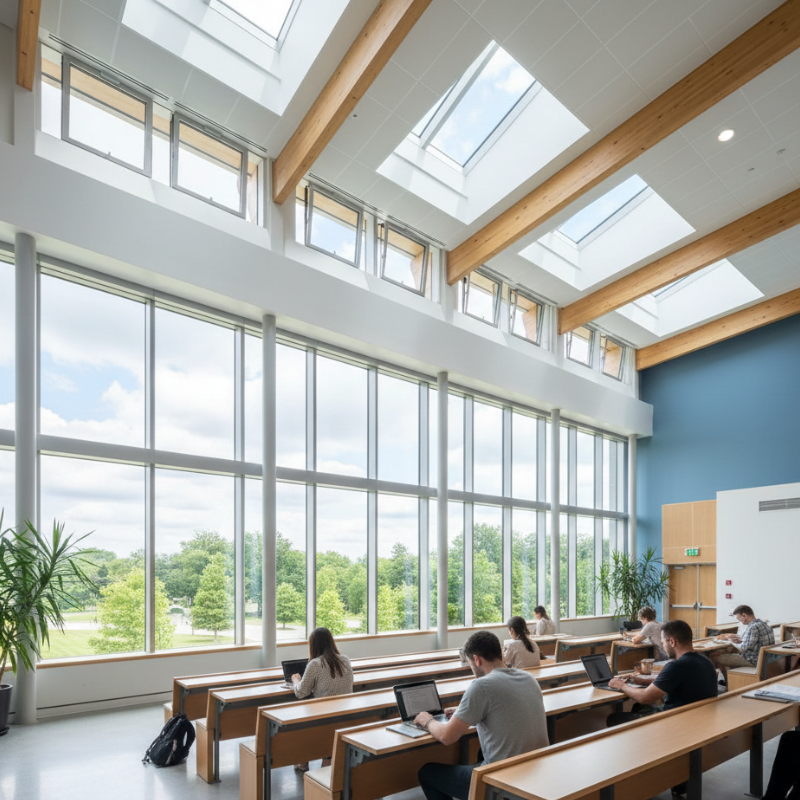
One of the most influential elements in educational architecture is access to natural light. Daylight has been linked to improved concentration, mood regulation, and even higher academic performance. Classrooms with large windows, skylights, or light wells help reduce reliance on artificial lighting while creating a more uplifting atmosphere.
Ventilation is equally important. Fresh air circulation improves cognitive function and reduces drowsiness, particularly in long study sessions. Schools and universities that prioritise cross-ventilation and passive cooling strategies often see tangible benefits in student comfort and engagement.
Together, light and air form the foundation of a healthy learning environment—one that supports both physical and mental well-being.
Flexible Spaces for Modern Education
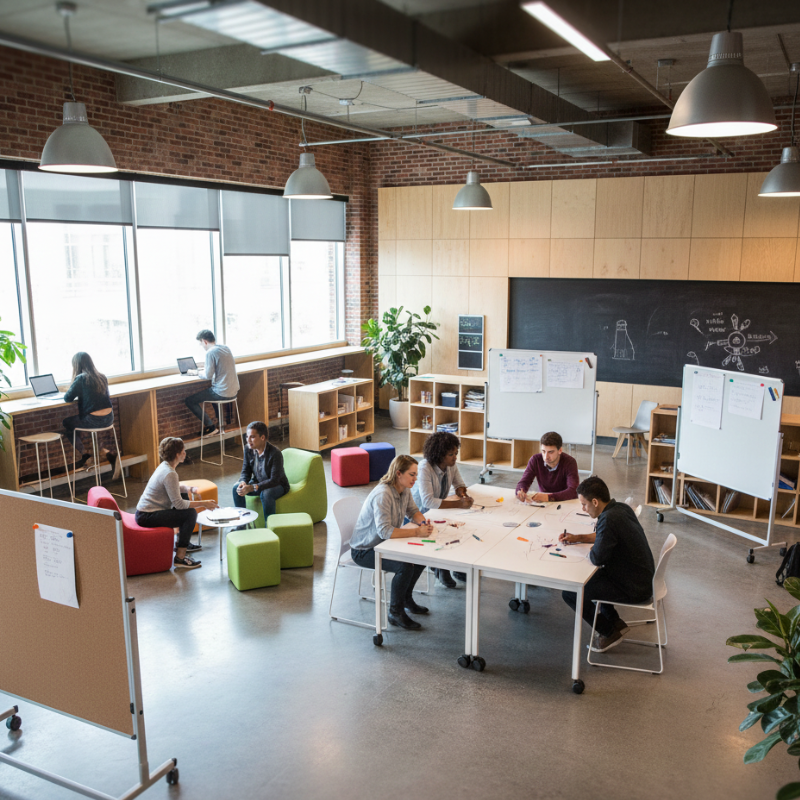
Traditional classroom layouts—rows of desks facing a single blackboard—no longer reflect how students learn today. Modern education emphasises collaboration, discussion, and project-based learning. Architectural design has evolved to meet these needs.
Flexible learning spaces with movable furniture, adaptable layouts, and multipurpose zones allow educators to shift seamlessly between lectures, group work, and independent study. Open studios, breakout areas, and informal seating encourage interaction while giving students autonomy over how they use the space.
This flexibility not only accommodates different teaching styles but also recognises that learners themselves are diverse, with varying preferences and needs.
Acoustics and Focus
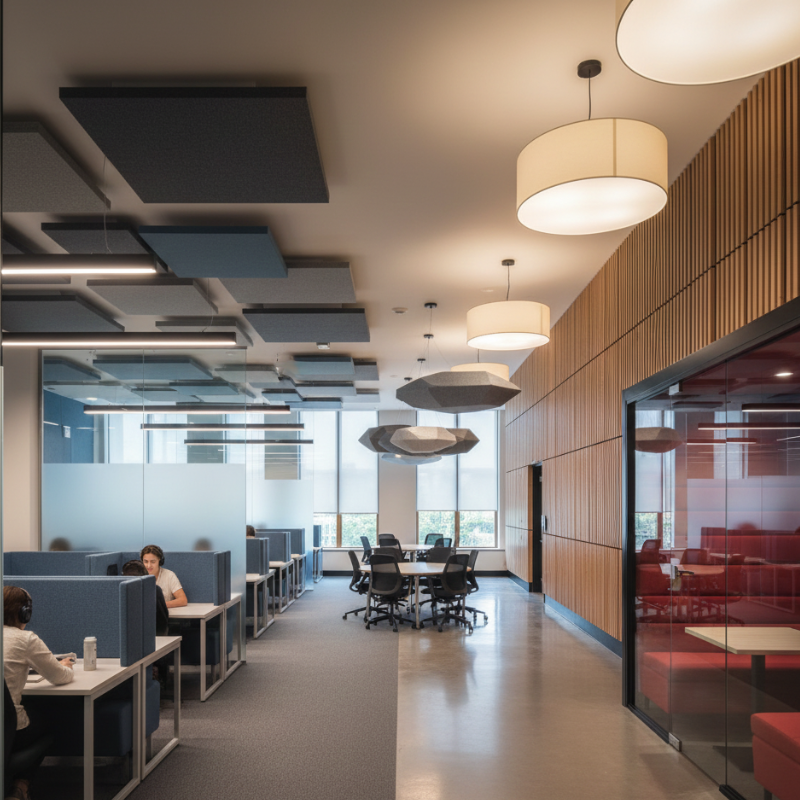
Sound is often an overlooked aspect of architectural design, yet it has a significant impact on learning. Excessive noise or poor acoustics can disrupt concentration and increase stress levels, particularly in younger students.
Well-designed educational buildings incorporate acoustic treatments such as sound-absorbing materials, strategic wall placements, and zoning that separates quiet study areas from high-activity spaces. By managing sound effectively, architects help create environments where students can focus, listen, and participate without unnecessary distractions.
Encouraging Creativity Through Design
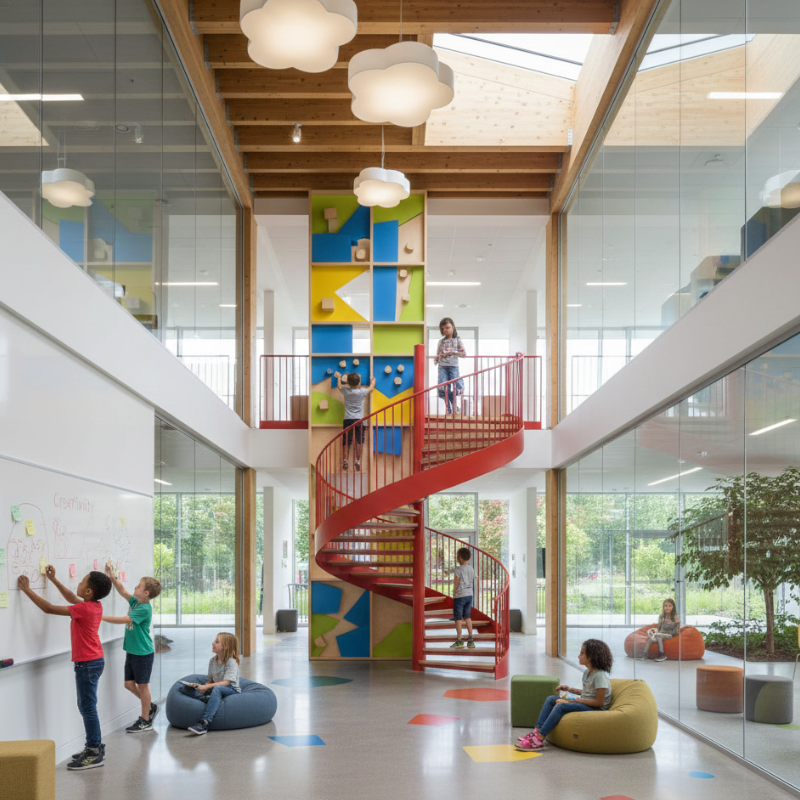
Creativity thrives in spaces that inspire curiosity and exploration. Architecture can spark imagination through the use of colour, texture, form, and visual connections to the outdoors.
Design elements such as internal courtyards, interactive walls, and visually stimulating corridors can transform circulation areas into learning opportunities. When students feel inspired by their surroundings, learning becomes more engaging and memorable.
Importantly, creativity in design does not mean sacrificing functionality. The most successful learning environments strike a balance between aesthetic appeal and practical usability.
Inclusivity and Accessibility in Learning Spaces
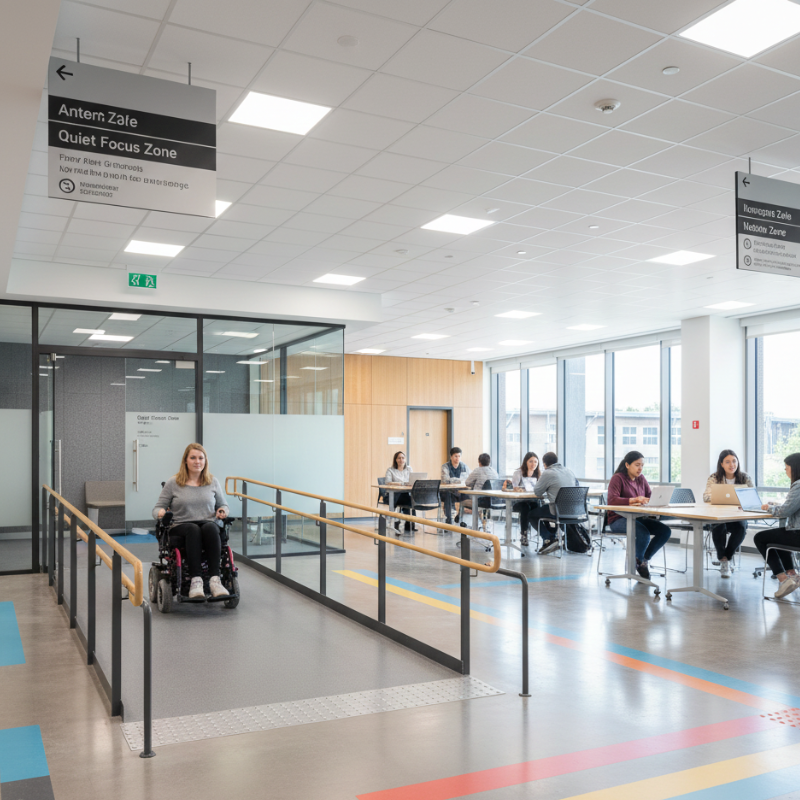
An effective learning environment must be inclusive. Architectural design has a responsibility to ensure that students of all abilities can access and navigate educational spaces with dignity and ease.
This includes step-free access, clear wayfinding, appropriate lighting for visual comfort, and quiet areas for students who may be sensitive to sensory overload. Inclusive design fosters a sense of belonging, which is essential for confidence and participation in learning.
When architecture removes barriers rather than creating them, it empowers every learner to succeed.
Sustainability as a Teaching Tool
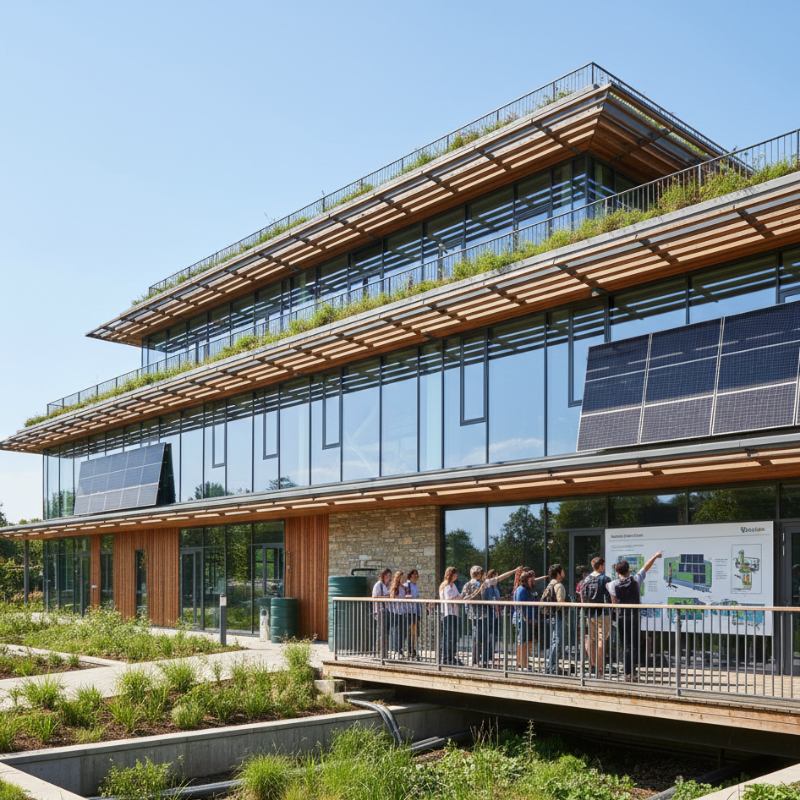
Sustainable design is increasingly central to educational architecture, not only for environmental reasons but also as a learning opportunity. Green buildings demonstrate responsible resource use through features such as solar shading, rainwater harvesting, and energy-efficient systems.
Students who learn in sustainably designed environments are exposed daily to principles of environmental responsibility. In this way, architecture becomes a silent curriculum—teaching values alongside academic subjects.
The Long-Term Impact of Thoughtful Design
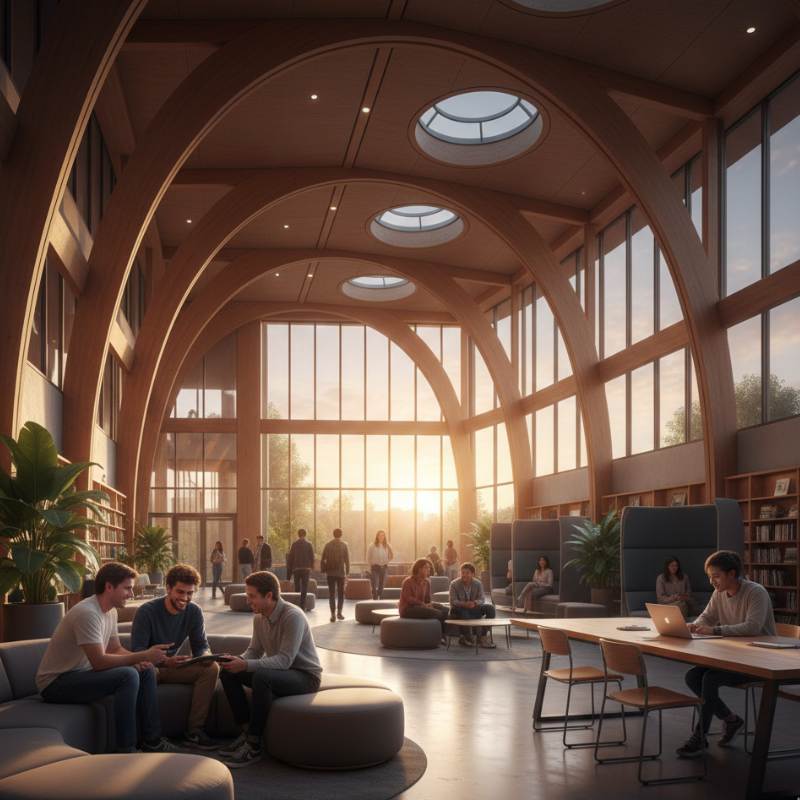
The effects of architectural design on learning extend far beyond the classroom. Students who study in well-designed environments often develop a stronger sense of pride, respect, and connection to their institutions. These emotional responses can influence motivation, attendance, and long-term attitudes toward learning.
Educational buildings are investments in future generations. When design prioritises human experience, it supports not only academic achievement but also personal growth and well-being.
Final Thoughts
Architectural design has the power to shape how learning happens—subtly, consistently, and profoundly. By considering light, space, acoustics, flexibility, inclusivity, and sustainability, architects can create environments that truly support education in all its forms.
As the demands of learning continue to evolve, so too must the spaces in which it takes place. Thoughtful design ensures that educational environments are not just places to attend, but places to thrive.
If you’re passionate about how architecture influences human experience, explore more insights and ideas on thoughtful design at Ideas for Architecture.