


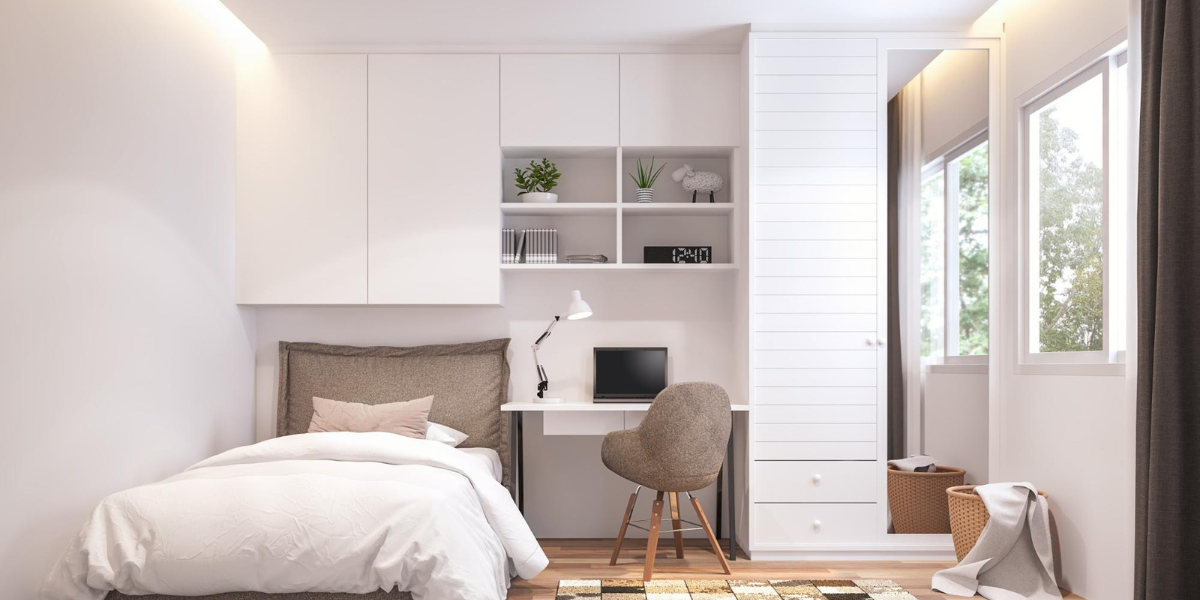
Designing a small bedroom can feel challenging, but with the right approach, limited space can become a major advantage. Small bedrooms encourage smarter choices, cleaner layouts, and more thoughtful design decisions. When planned well, even the most compact bedroom can feel open, functional, and stylish.
Modern interior design focuses on making every square foot count without compromising comfort. Whether you live in an apartment, studio, or compact home, these small bedroom interior design tips will help you maximize space while creating a calm and inviting atmosphere.
Start With a Smart Layout
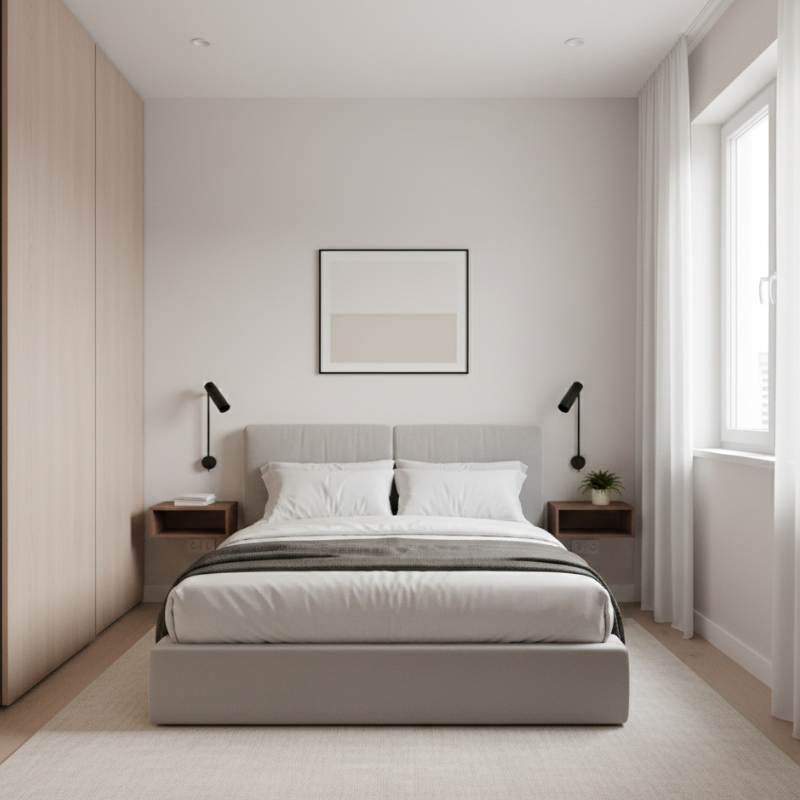
The layout is the foundation of a well-designed small bedroom. Before choosing furniture or decor, consider how you move through the space. The bed should be positioned to allow easy access from at least one side while keeping pathways clear and unobstructed.
Avoid placing furniture where it blocks natural light or creates tight corners. A simple, well-planned layout instantly makes a small bedroom feel larger and more comfortable.
Choose Space-Saving Furniture
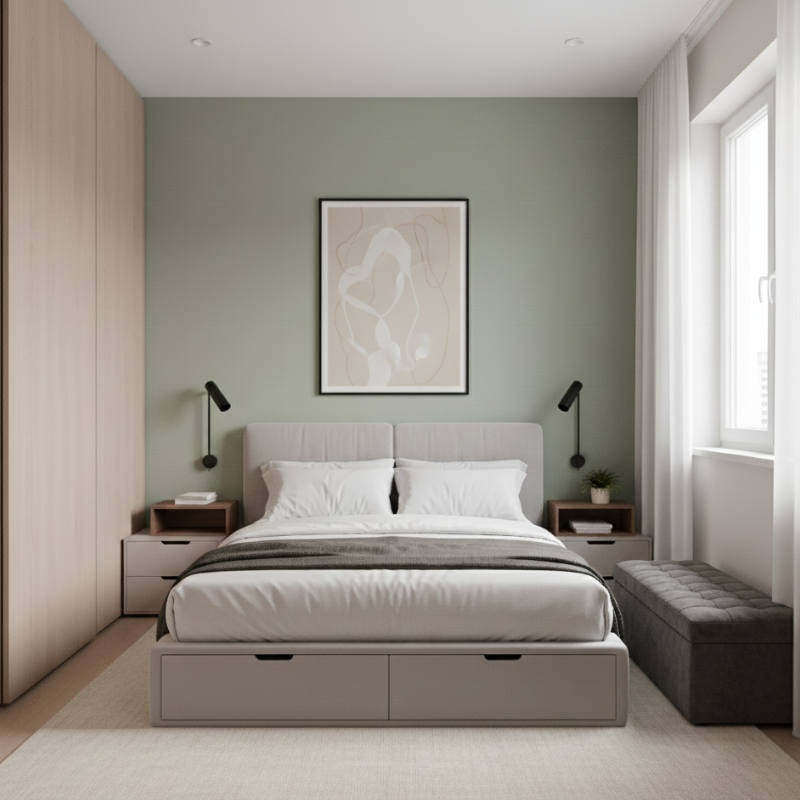
Furniture selection plays a crucial role in small bedroom interiors. Opt for pieces that are proportionate to the room size and serve more than one purpose. Beds with built-in storage drawers, ottomans that double as seating, or wardrobes with sliding doors are excellent space-saving solutions.
Low-profile furniture works particularly well in compact bedrooms. It keeps the room visually light and prevents the space from feeling crowded or top-heavy.
Use Light Colors to Open Up the Room
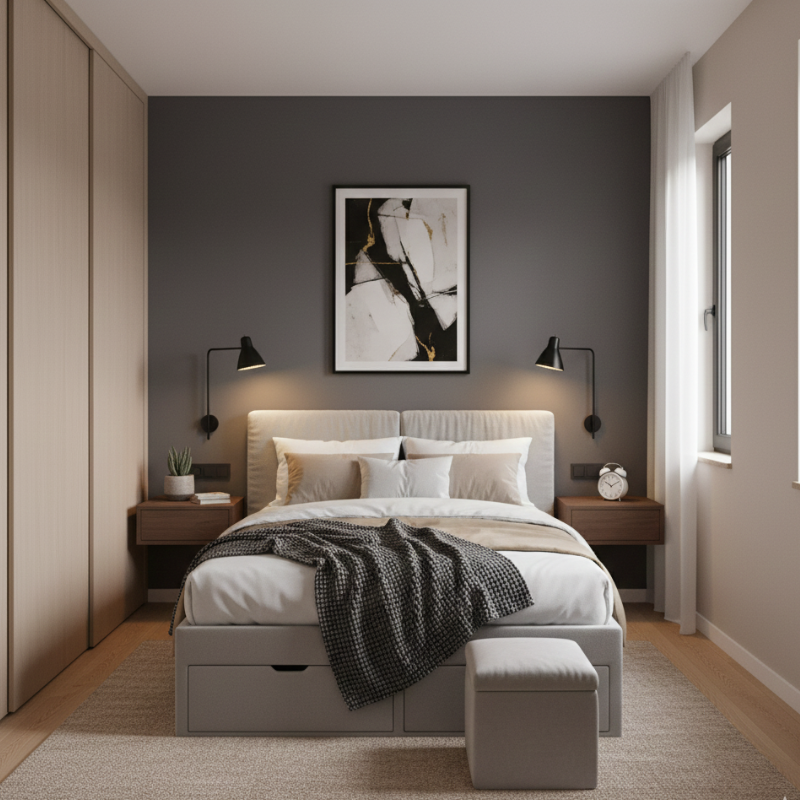
Color has a powerful impact on how a room feels. Light and neutral shades such as white, beige, soft grey, and muted pastels reflect light and make small bedrooms appear more spacious.
You don’t have to avoid darker colors completely. Using them thoughtfully—such as on one accent wall or through soft furnishings—can add depth without shrinking the room. The key is balance and restraint.
Maximize Vertical Space
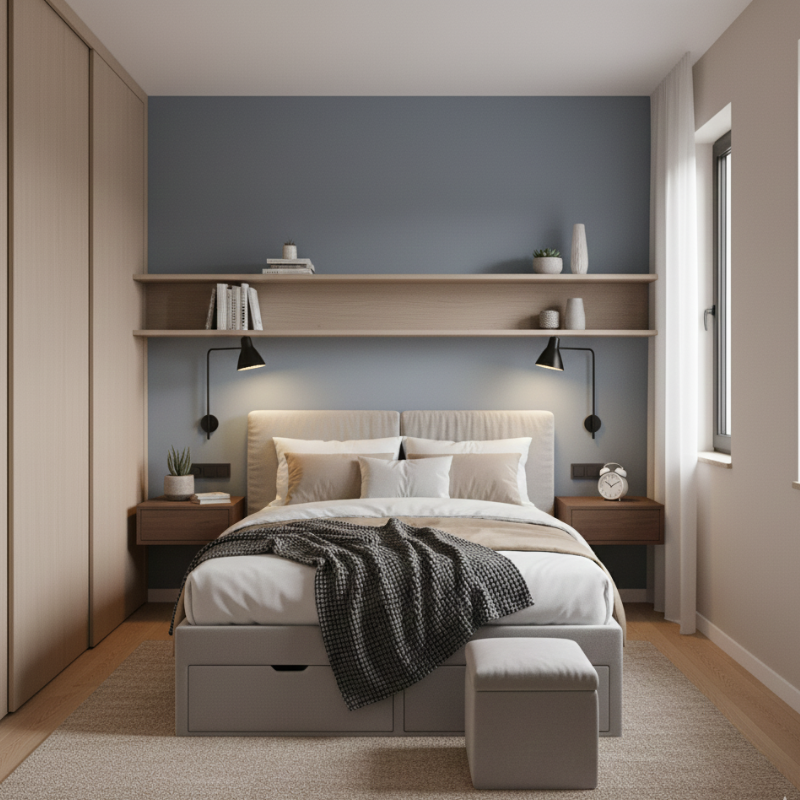
When floor space is limited, vertical space becomes incredibly valuable. Tall wardrobes, wall-mounted shelves, and overhead storage units help keep essentials organized while freeing up the floor.
Floating shelves above the bed or desk can be both practical and decorative. Wall-mounted lights and bedside tables also reduce clutter and enhance the sense of openness in a small bedroom.
Keep Storage Clean and Organized
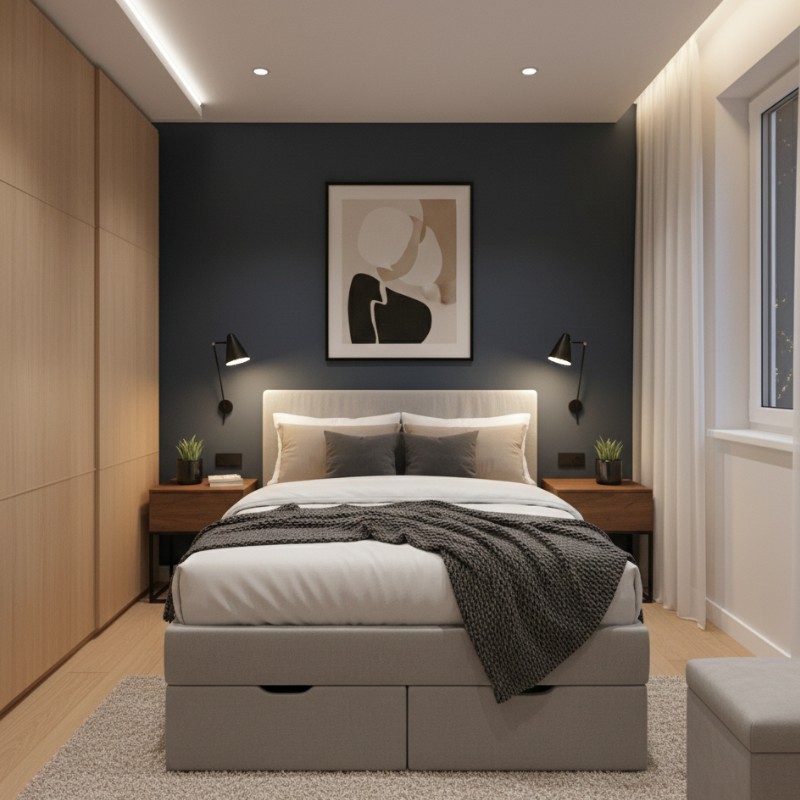
Clutter is the fastest way to make a small bedroom feel cramped. Smart storage solutions help maintain a tidy and visually pleasing environment. Built-in wardrobes, under-bed storage, and concealed cabinets allow you to store items out of sight.
Use organizers inside drawers and wardrobes to maximize every inch. When everything has its place, the room instantly feels larger and more peaceful.
Let Natural Light Work for You
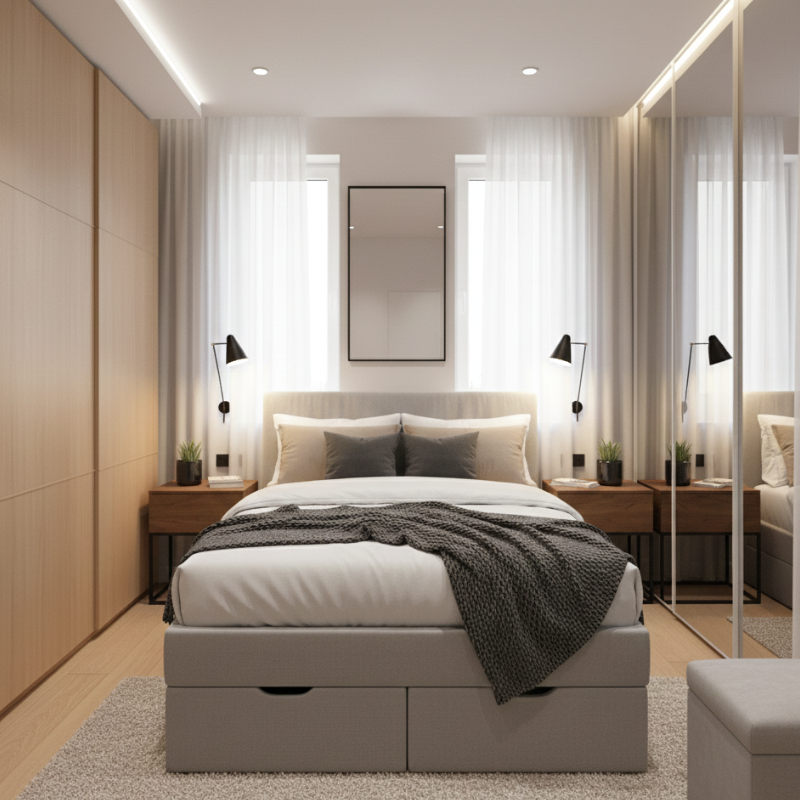
Natural light can transform a small bedroom. Keep window treatments light and minimal to allow sunlight to flow freely into the space. Sheer curtains or light blinds provide privacy without blocking brightness.
If natural light is limited, mirrors can help. Placing a mirror opposite or adjacent to a window reflects light and visually expands the room. Mirrored wardrobe doors are another effective way to enhance brightness and depth.
Opt for Minimal Decor With Purpose
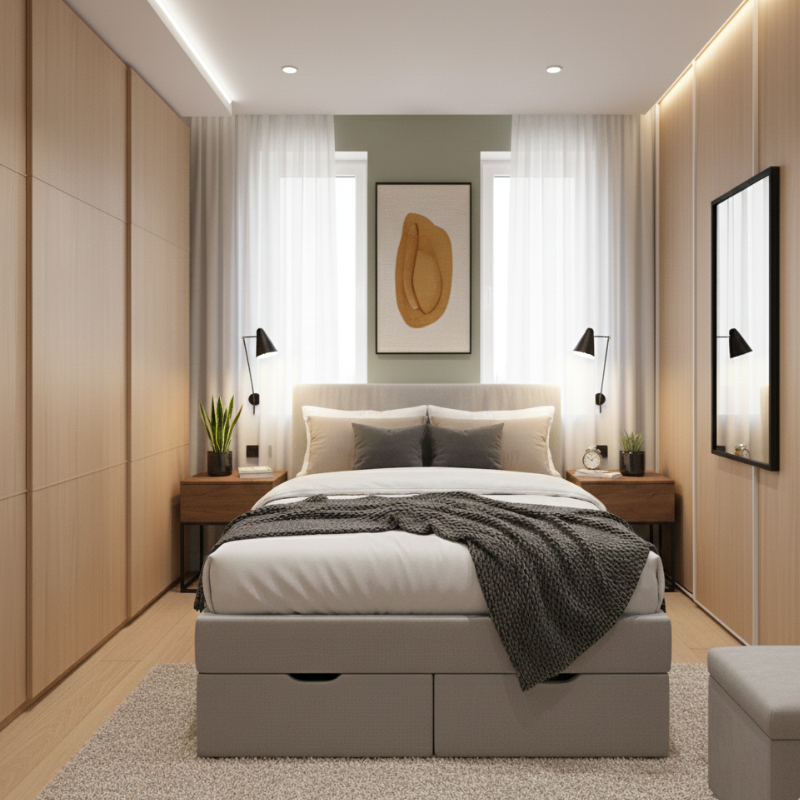
Decorating a small bedroom doesn’t mean stripping it of personality. Instead, choose decor pieces that are intentional and meaningful. A single statement artwork, a small indoor plant, or textured cushions can add warmth without overwhelming the space.
Avoid excessive decor on walls and surfaces. Clean lines and negative space are essential elements of modern small bedroom design and help the room feel calm and balanced.
Use Lighting to Create Depth
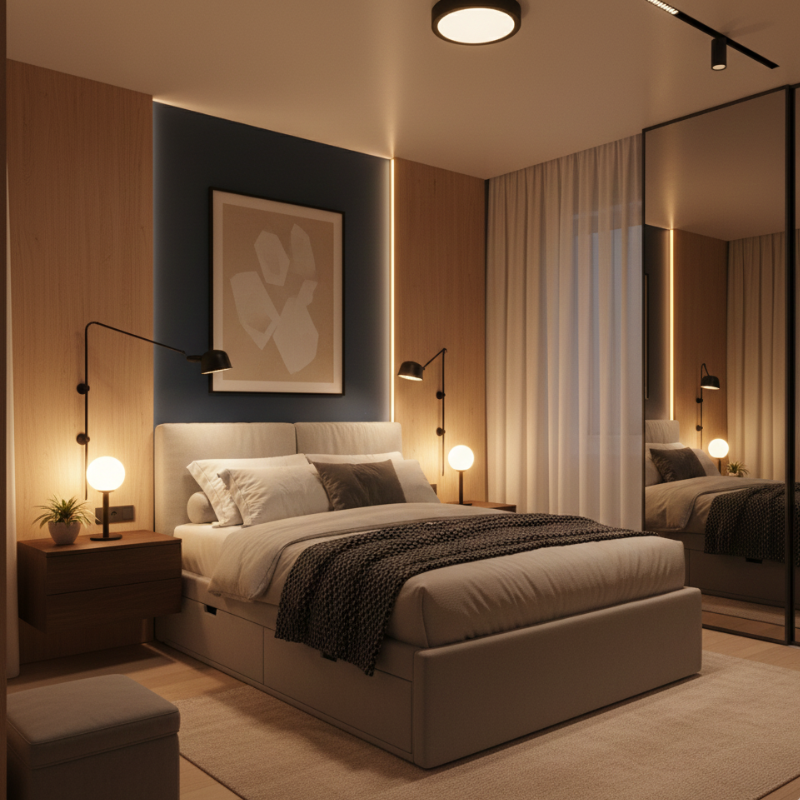
Good lighting enhances both function and aesthetics. In small bedrooms, layered lighting works best. Combine ambient lighting with task lighting, such as bedside reading lamps or wall-mounted lights.
Warm lighting creates a cozy atmosphere, while focused lighting helps define different areas of the room. Avoid bulky floor lamps and opt for compact or wall-mounted alternatives to save space.
Choose Simple Patterns and Textures
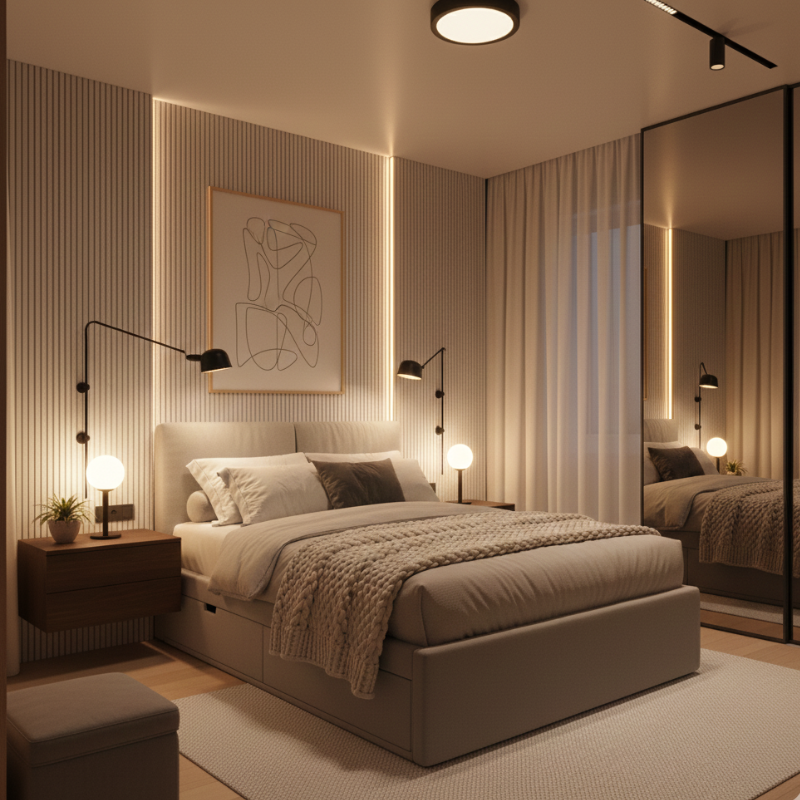
Busy patterns can make small bedrooms feel visually crowded. Stick to subtle textures and simple patterns for bedding, rugs, and curtains. This keeps the design cohesive and soothing.
Mixing textures—like soft fabrics with wood or metal accents—adds interest without clutter. The result is a bedroom that feels both stylish and comfortable.
Final Thoughts
Small bedrooms may have limited space, but they offer endless design possibilities. With smart layouts, space-saving furniture, thoughtful color choices, and organized storage, even the smallest bedroom can feel open and inviting. The goal is not to fill the room but to design it with intention.
If you’re looking for more practical interior design ideas and architectural inspiration to transform compact spaces, explore more insights that help you design homes that feel functional, stylish, and truly comfortable.