


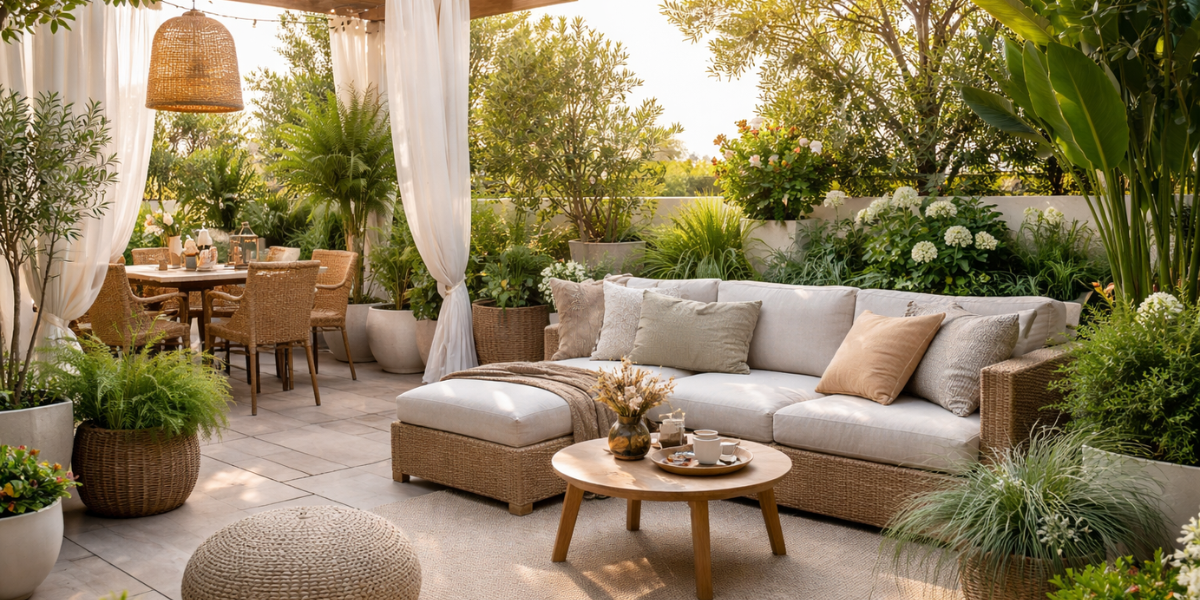
Outdoor spaces are no longer treated as leftover areas in modern architecture. Terraces and balconies have evolved into meaningful extensions of the home—places to relax, entertain, work, and reconnect with nature. Whether you’re designing a compact city balcony or a spacious terrace garden, thoughtful planning and creative design can completely transform how these spaces feel and function.
Below are practical, stylish, and architecturally inspired terrace garden and balcony design ideas that work across different home types, budgets, and climates.
1. Start With Purpose Before Design
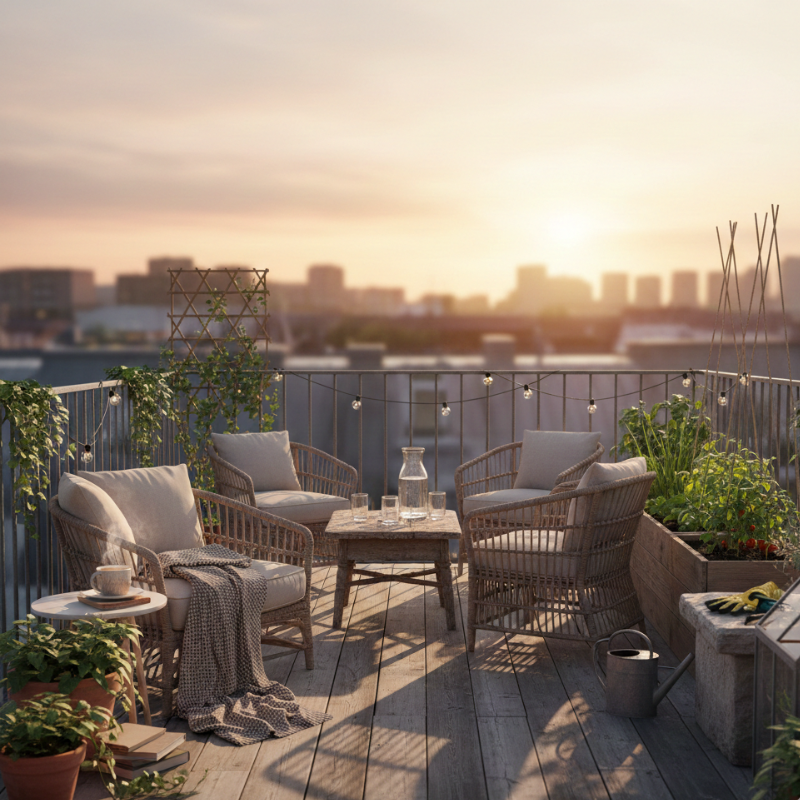
Before selecting furniture, plants, or materials, define how you want to use the space. Is it meant for quiet mornings with coffee, social gatherings, urban gardening, or a mix of all three?
Clear intent helps shape design decisions such as seating layout, flooring choice, lighting, and plant selection. A well-designed terrace or balcony always balances aesthetics with everyday usability.
2. Greenery That Elevates the Space
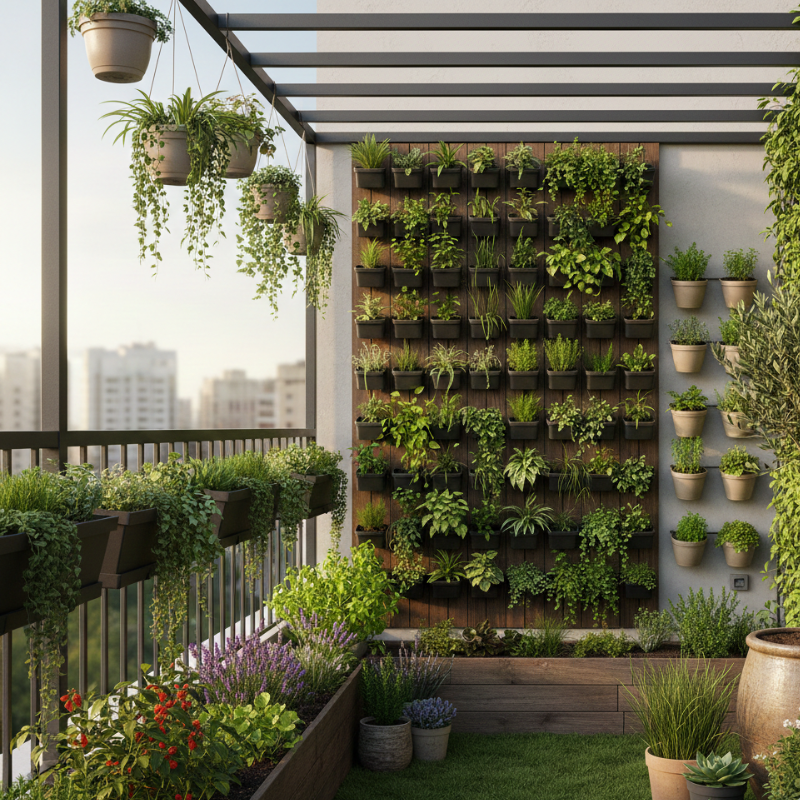
Plants are the heart of terrace gardens and balconies. Even small spaces can feel lush when greenery is layered thoughtfully.
Vertical gardens, railing planters, hanging pots, and wall-mounted herb units help maximize greenery without sacrificing floor space. For larger terraces, a mix of planters, small trees, and raised beds creates visual depth and shade.
Choose plants based on sunlight exposure, wind conditions, and maintenance preferences. Low-maintenance plants ensure the space stays inviting year-round without becoming a chore.
3. Flooring That Sets the Tone
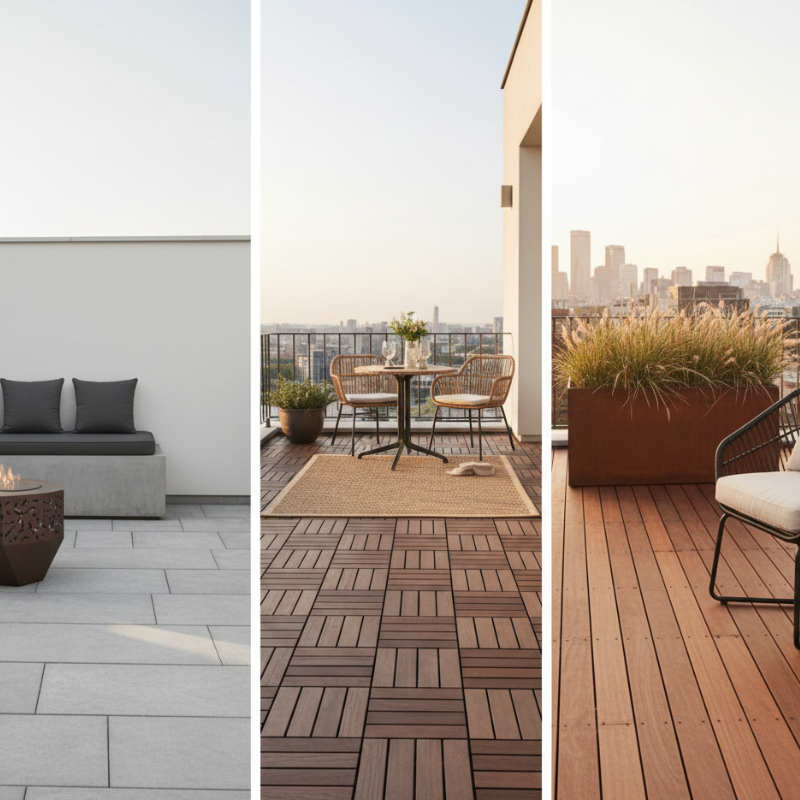
Flooring defines the foundation of your outdoor space. Natural stone, outdoor tiles, composite decking, or wooden finishes can dramatically influence the overall look.
For balconies, lightweight decking tiles or anti-slip outdoor tiles are practical and easy to maintain. Terraces allow more flexibility—stone pavers or concrete finishes create a clean architectural look, while wooden decks bring warmth and comfort.
Ensure materials are weather-resistant, durable, and suited to local climate conditions.
4. Smart Seating for Comfort and Flow
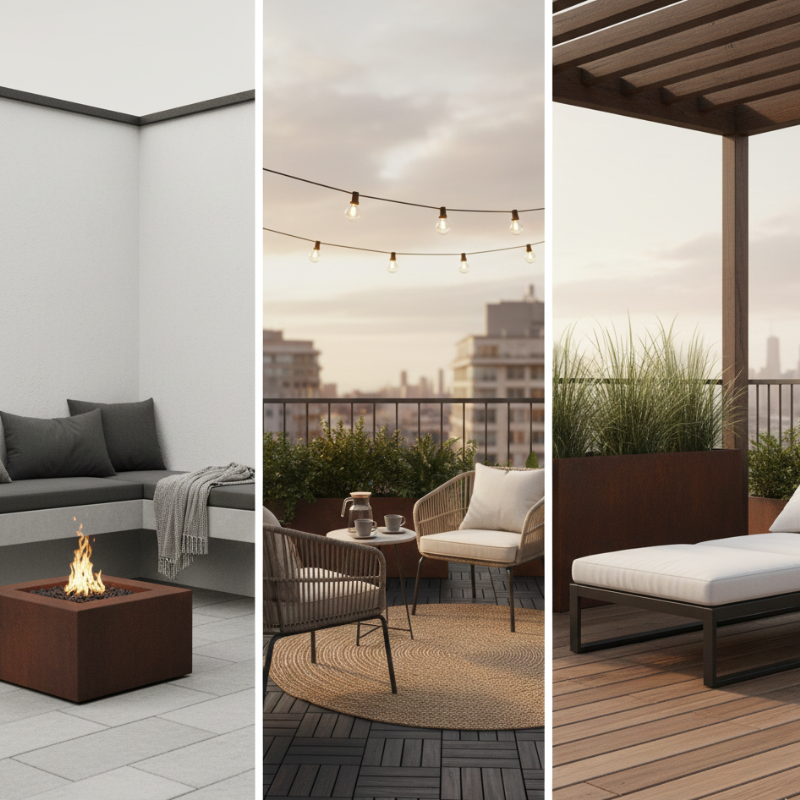
Seating should feel natural within the space, not forced. Built-in benches along walls or edges save space and provide a clean, custom look. Modular furniture works well for balconies where flexibility is key.
On terraces, zoning the seating area with rugs, planters, or pergolas helps create a sense of structure. Comfortable cushions and weather-resistant fabrics add softness without compromising durability.
The goal is to encourage people to stay longer, not just pass through.
5. Lighting That Extends Usability
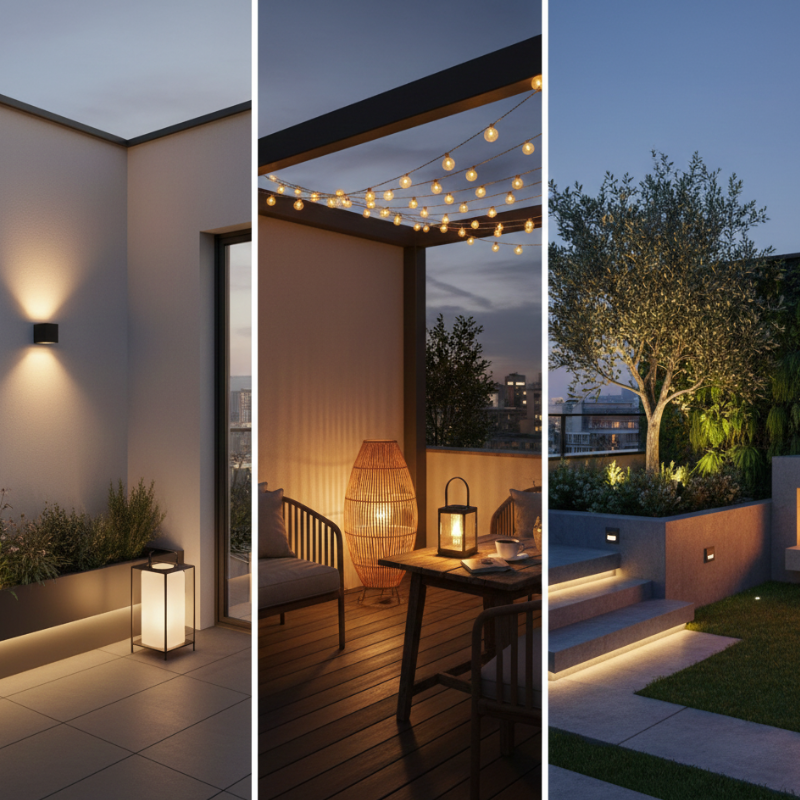
Good lighting turns terraces and balconies into evening retreats. Layered lighting—combining ambient, task, and accent lights—creates warmth and depth.
Wall sconces, floor lanterns, string lights, and recessed LEDs work together to define mood and highlight architectural features. Solar lighting is a sustainable option that reduces energy use while maintaining visual appeal.
Lighting should feel subtle and intentional, enhancing the atmosphere rather than overpowering it.
6. Privacy Without Blocking Light
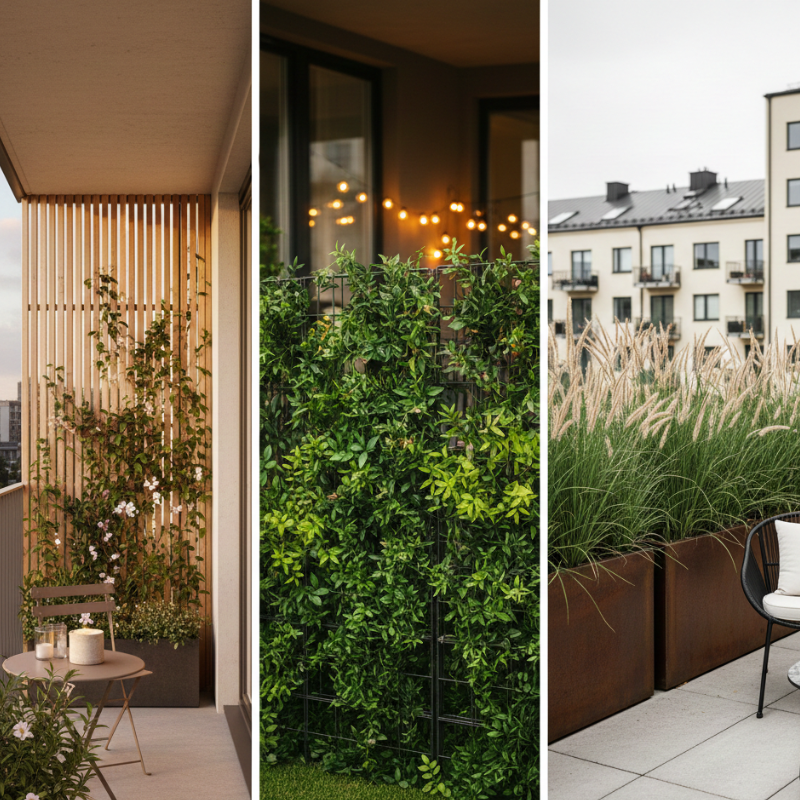
Urban balconies and terraces often face neighboring buildings, making privacy a common concern. Instead of solid barriers, consider screens, planters, wooden slats, or metal grills that allow airflow and light.
Climbing plants on trellises or green screens offer a natural solution that blends privacy with greenery. These elements maintain openness while creating a sense of retreat.
7. Functional Elements That Blend Seamlessly
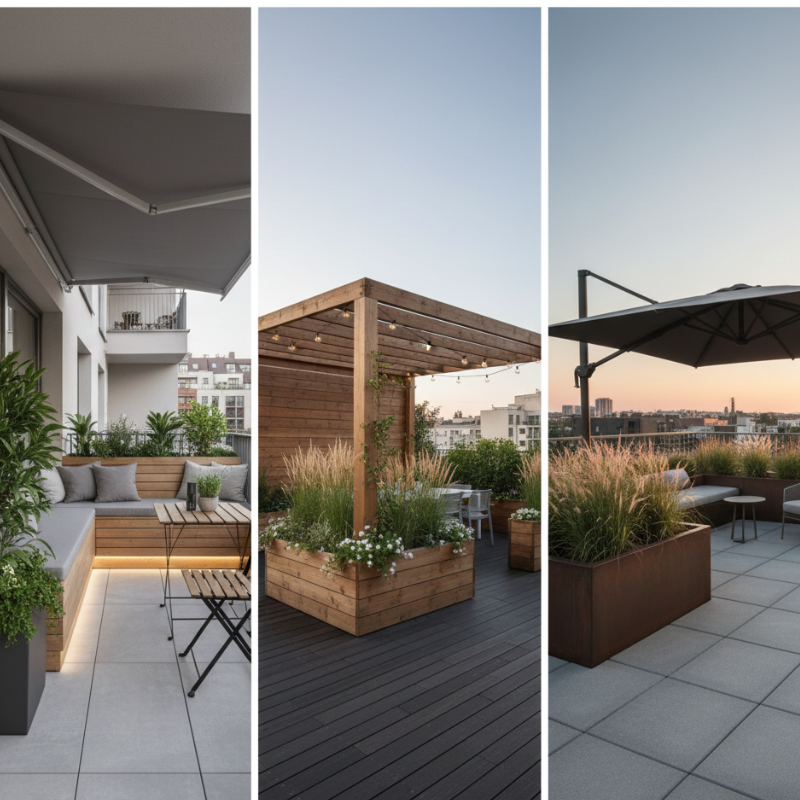
Outdoor spaces benefit from thoughtful additions like storage benches, foldable furniture, or built-in planters that double as dividers.
On terraces, pergolas or shade structures protect against harsh sun and light rain while adding architectural interest. Balconies can use retractable awnings or umbrellas for flexible shade control.
When function blends seamlessly with design, the space feels intentional rather than cluttered.
8. Color Palettes That Reflect Calm
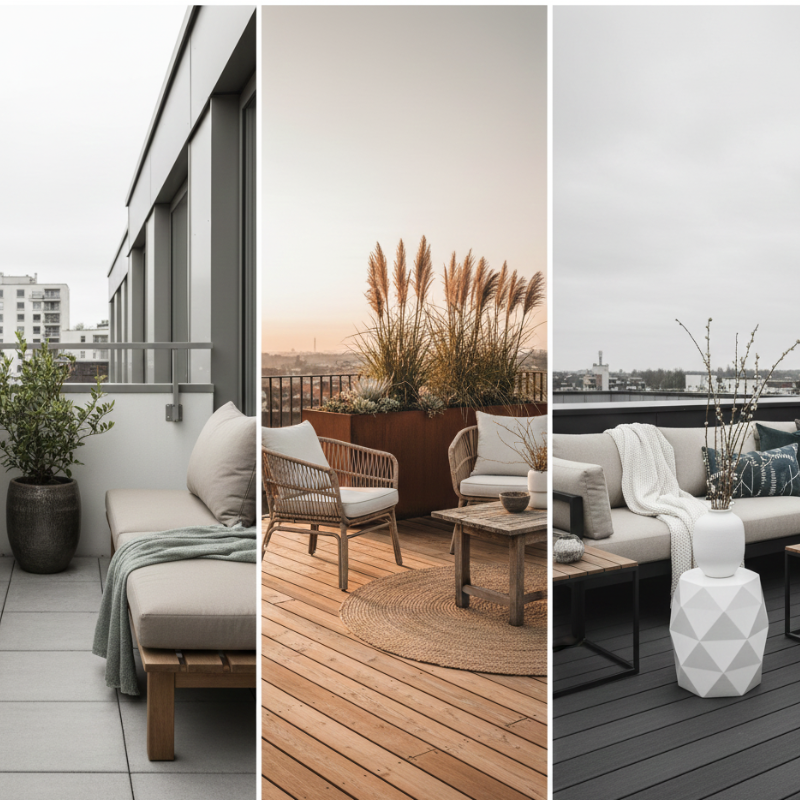
Neutral tones dominate modern terrace and balcony design for a reason—they make spaces feel larger and timeless. Shades of grey, beige, wood, and muted greens work well as base colors.
Accent colors can be introduced through cushions, planters, or décor elements. Keeping the palette controlled ensures the space remains visually balanced and calming.
9. Sustainable Design Choices
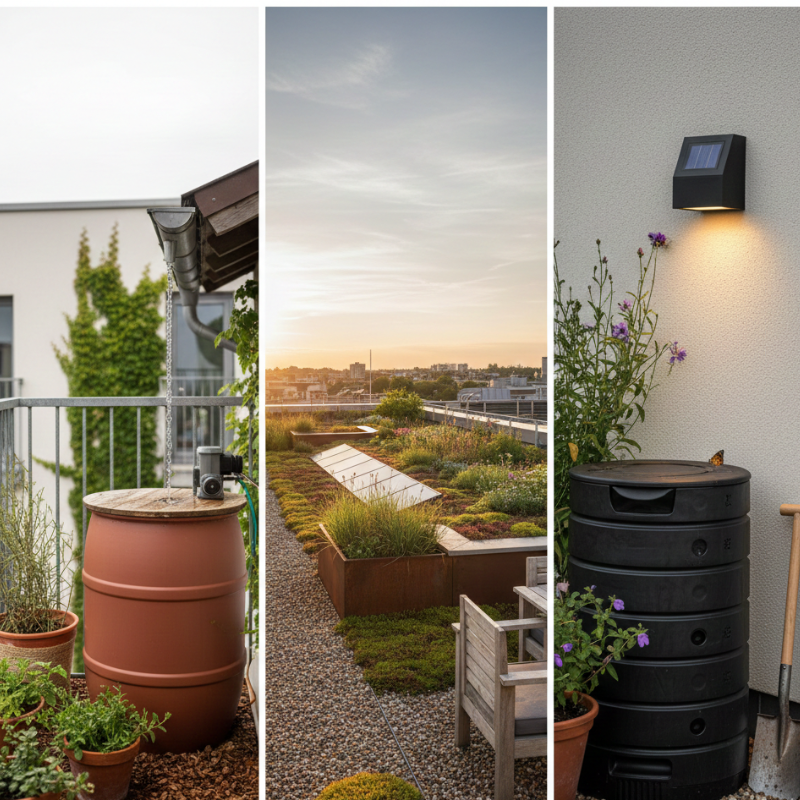
Sustainability is increasingly shaping outdoor design. Native plants, rainwater collection for irrigation, solar lighting, and recycled materials all contribute to eco-friendly spaces.
Terrace gardens also help regulate indoor temperatures, improve air quality, and support biodiversity—making them both beautiful and environmentally responsible.
10. Personal Touches Make the Difference
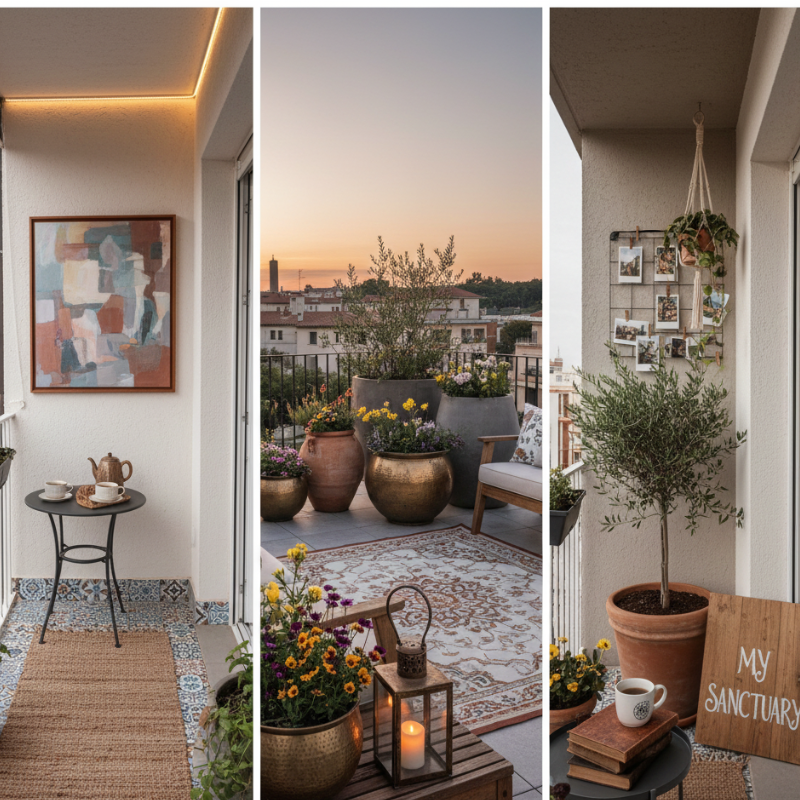
What truly transforms a terrace or balcony is personalization. Artwork, textured planters, outdoor rugs, or curated décor reflect lifestyle and taste.
These details turn an outdoor space into a lived-in environment rather than a styled display.
Final Thoughts
Terrace gardens and balconies offer immense potential, regardless of size. With thoughtful planning, material selection, and design intent, these spaces can become some of the most loved areas of a home.
At Ideas for Architecture, we believe great outdoor design is about harmony—between structure and nature, form and function, and comfort and creativity. If you’re exploring ways to elevate your terrace or balcony, let thoughtful design guide every decision.
Explore more architectural ideas and outdoor design inspirations on our website, and discover how small spaces can make a lasting impact.