


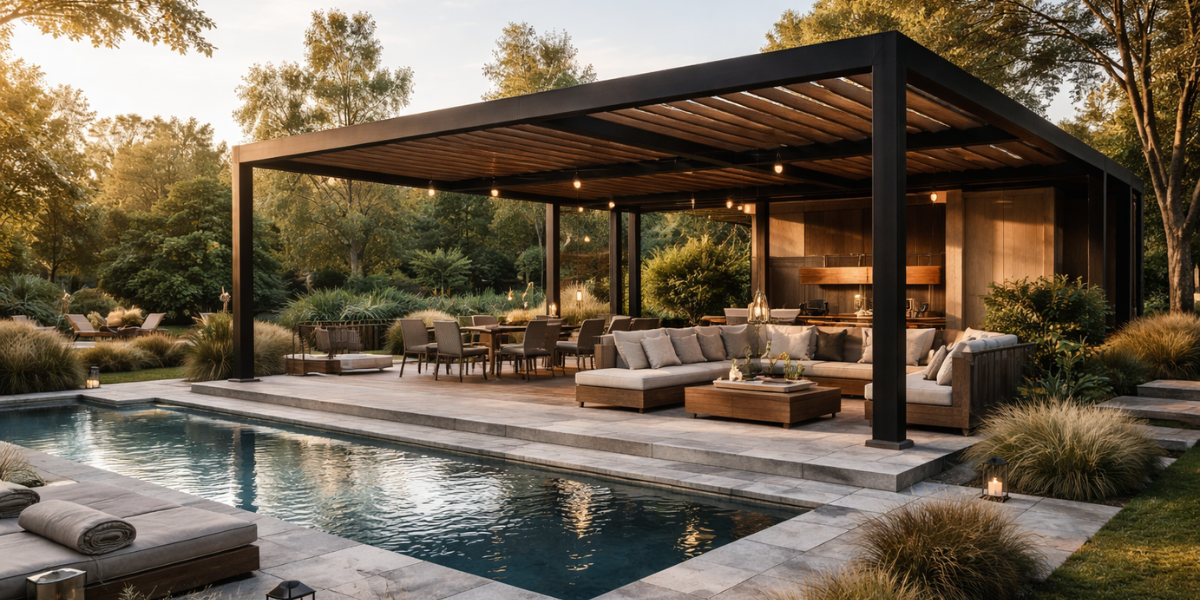
Modern architecture is no longer limited to what happens inside four walls. Today, exterior spaces are just as important as interiors—often becoming extensions of living, working, and social areas. From private residences to hospitality and commercial developments, outdoor structures play a key role in shaping how these spaces are used, experienced, and valued.
When designed thoughtfully, outdoor structures do more than provide shade or shelter. They enhance functionality, elevate visual appeal, and significantly increase the overall value of exterior environments. Let’s explore how and why they matter in modern exterior design.
The Shift Toward Outdoor Living
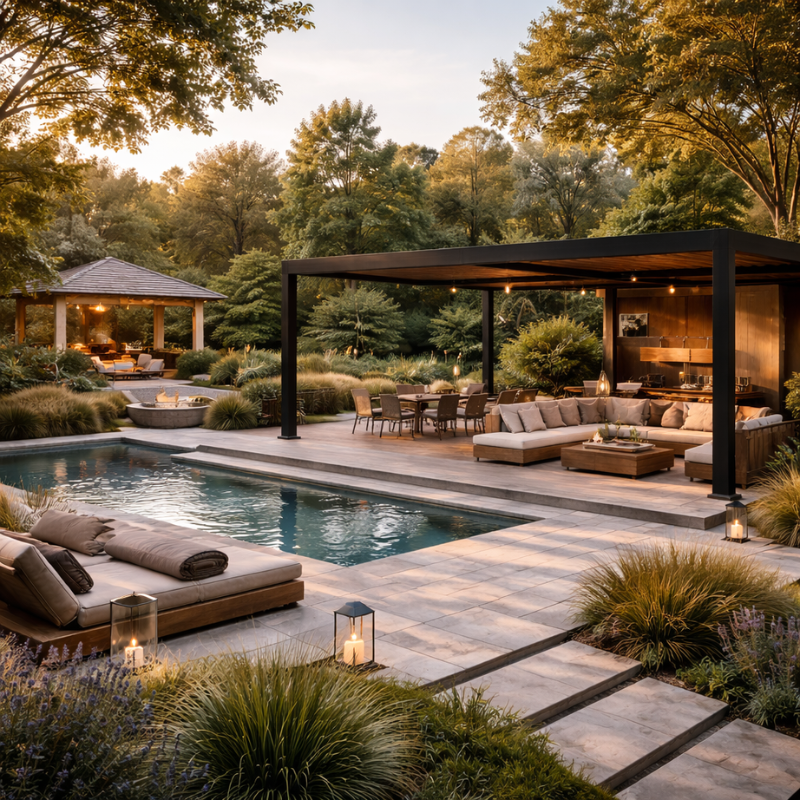
Over the past decade, lifestyle preferences have shifted toward more open, flexible, and nature-connected spaces. Homeowners want usable outdoor areas, businesses seek inviting exteriors, and architects aim to blur the line between built form and landscape.
Outdoor structures—such as pergolas, gazebos, pavilions, decks, canopies, and shaded walkways—make this shift possible. They transform open land into defined, purposeful zones that support daily use rather than remaining purely decorative.
Enhancing Functionality and Usability
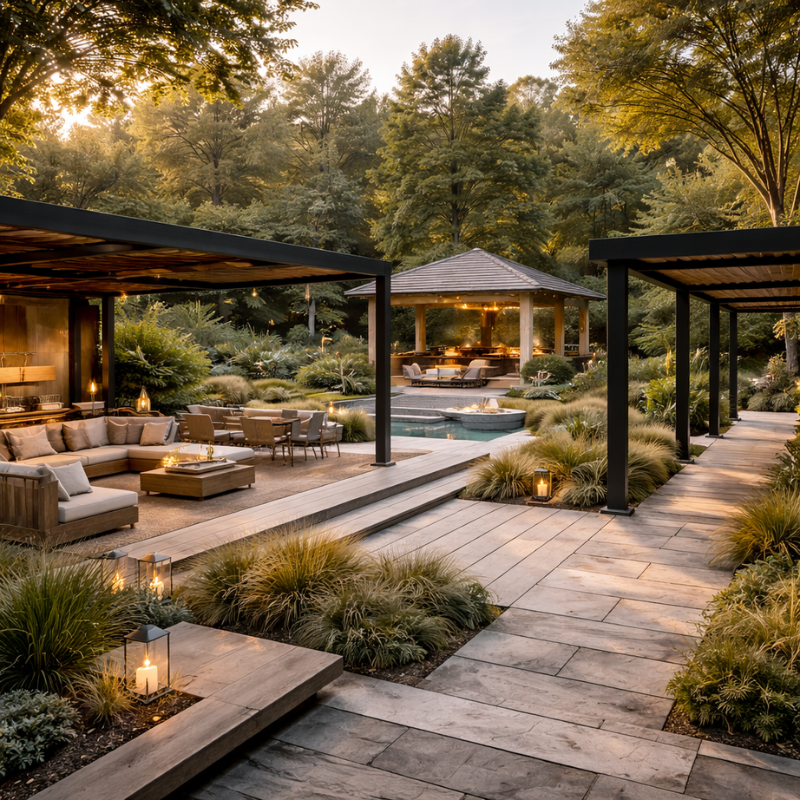
One of the biggest advantages of outdoor structures is functional expansion. They turn unused or underused exterior areas into practical spaces.
- Pergolas and shade structures create comfortable seating or dining zones.
- Pavilions support outdoor gatherings, events, or workspaces.
- Covered walkways improve circulation and usability across sites
- Decks and platforms define activity areas without heavy construction.
By offering protection from sun, light rain, and wind, these structures extend how long and how often outdoor spaces can be used throughout the year.
Adding Architectural Depth and Identity
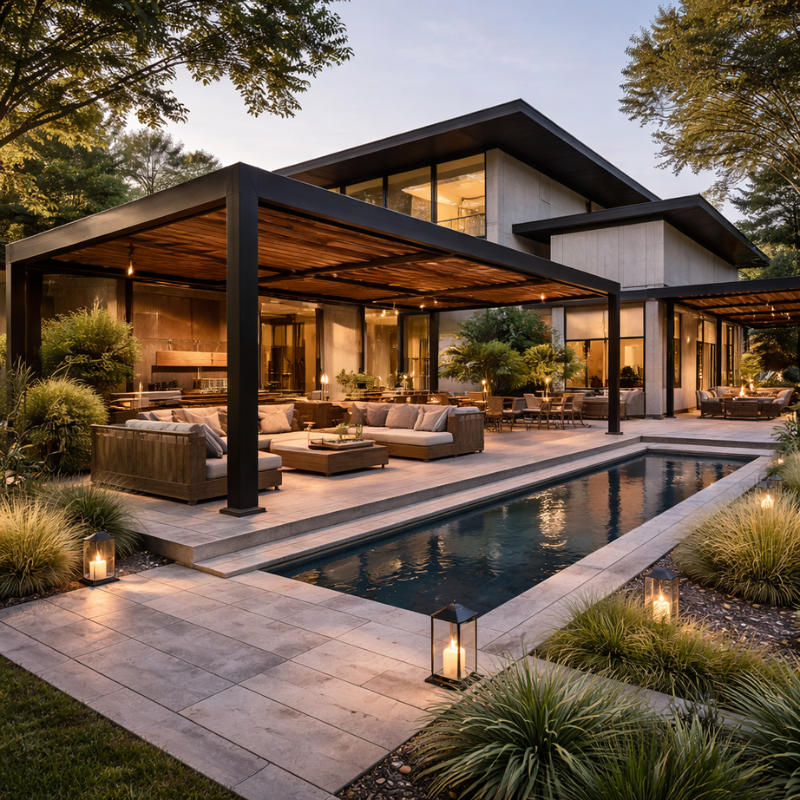
Outdoor structures also contribute to a project’s architectural language. In modern exterior design, they are often used to introduce rhythm, framing, and scale.
Clean-lined pergolas, minimal steel canopies, or timber pavilions can echo the materials and geometry of the main building. This creates visual continuity while adding layers to the overall composition.
In many projects, the outdoor structure becomes a defining feature—sometimes even more visually memorable than the building itself.
Increasing Property Value and Appeal
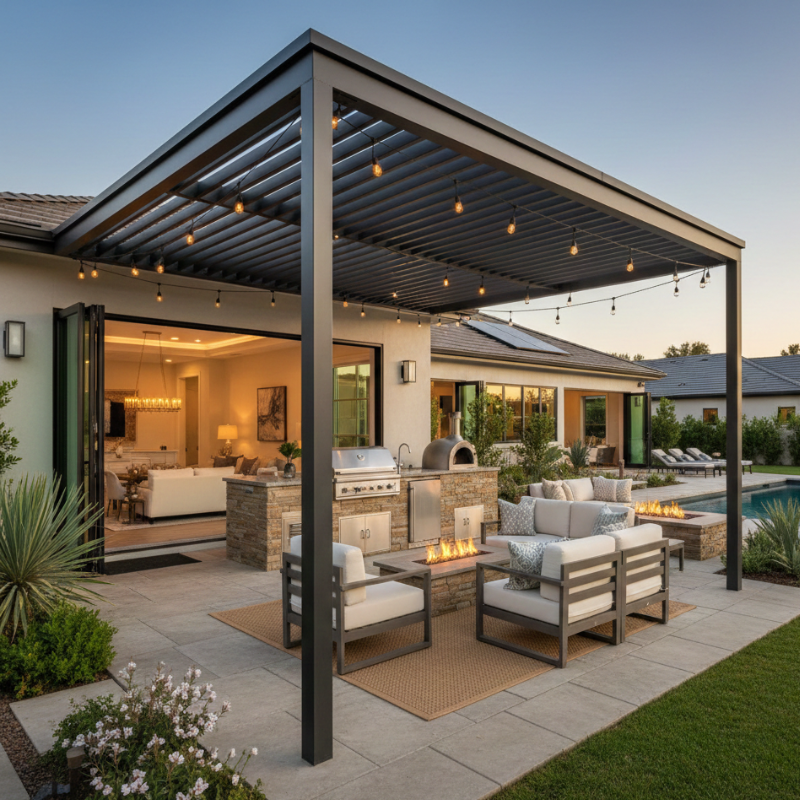
From a practical standpoint, outdoor structures directly impact property value. Buyers and tenants increasingly prioritize exterior amenities when making decisions.
Well-designed outdoor spaces can:
- Increase perceived square footage
- Improve lifestyle appeal
- Support premium pricing or rental value
- Differentiate a property in competitive markets
In residential settings, a functional outdoor structure can be the deciding factor. In commercial or hospitality projects, it can enhance user experience and dwell time—both of which translate into tangible returns.
Supporting Sustainability and Climate Responsiveness
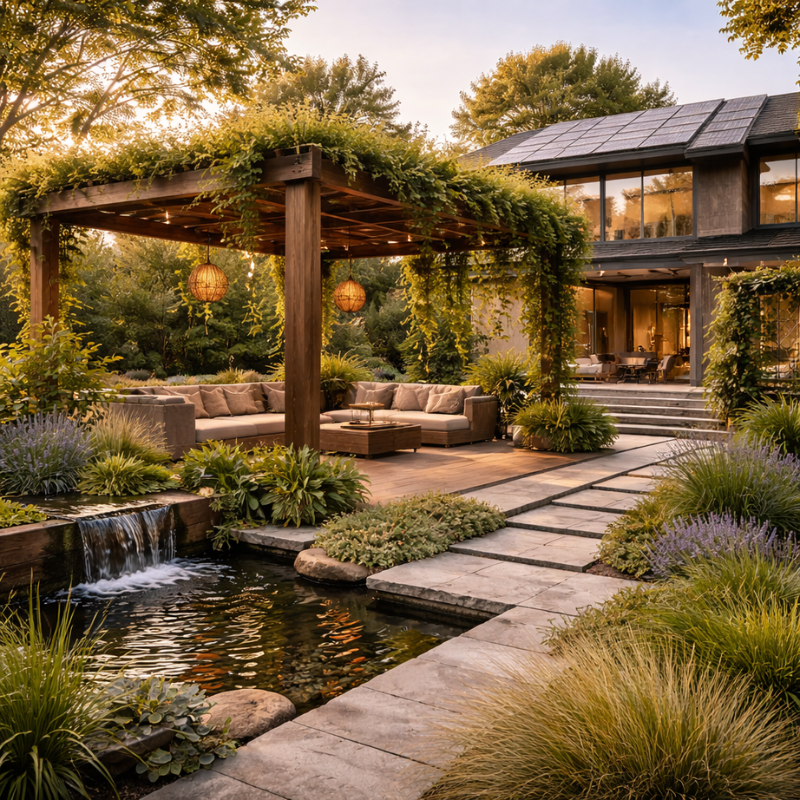
Outdoor structures play an important role in sustainable exterior design. By providing shade and controlling solar exposure, they help reduce heat gain on adjacent buildings. This can lower cooling loads and improve overall energy efficiency.
When paired with greenery, climbing plants, or passive design strategies, outdoor structures also contribute to:
- Improved microclimates
- Reduced urban heat effects
- Better air circulation
- Stronger indoor-outdoor environmental balance
Material choices such as timber, recycled steel, or modular systems further strengthen their sustainability credentials.
Creating Flexible, Multi-Use Spaces
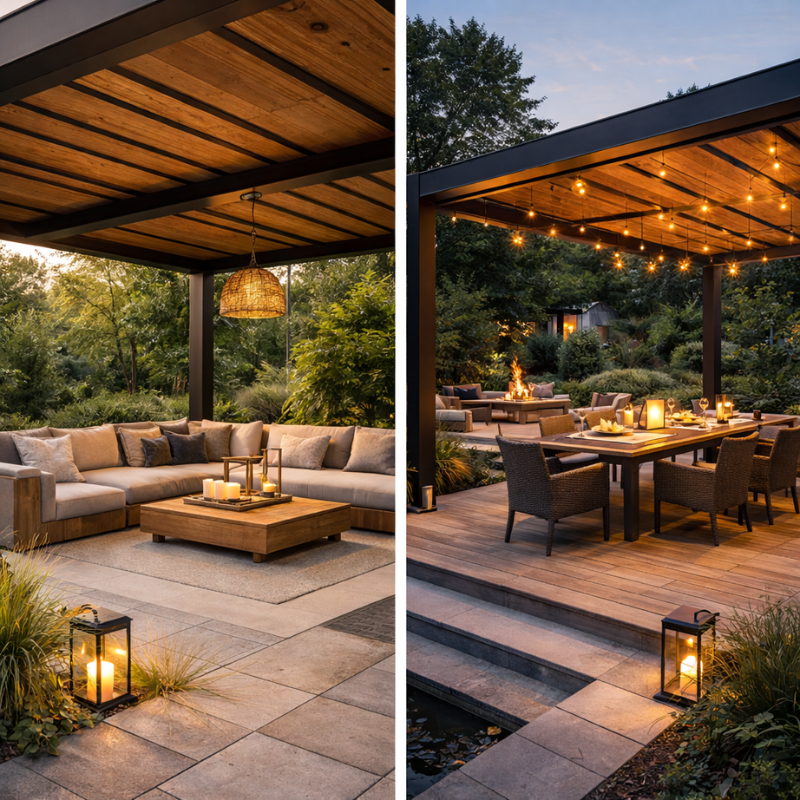
Modern exterior spaces are rarely designed for a single function. Outdoor structures support adaptability—allowing spaces to evolve over time.
A shaded deck can serve as
- A casual seating area during the day
- A dining space in the evening
- A social or event area on weekends
This flexibility is particularly valuable in urban homes, resorts, office campuses, and public spaces where every square meter must justify its use.
Strengthening the Connection With Nature
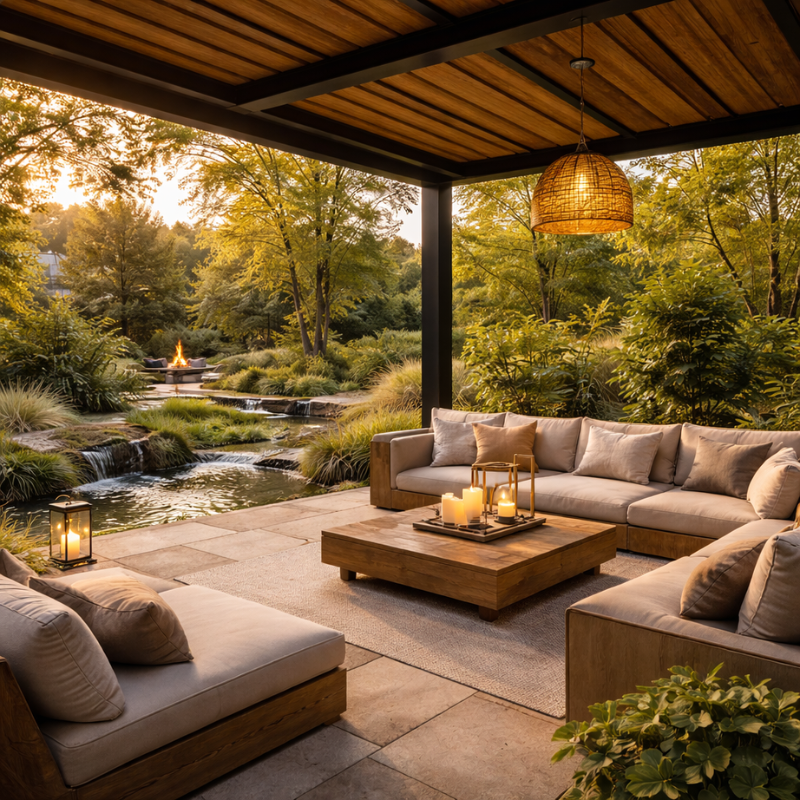
At their best, outdoor structures act as a bridge between built form and landscape. They frame views, guide movement, and encourage interaction with the natural environment.
By offering comfort without complete enclosure, they allow users to experience light, breeze, and greenery in a controlled yet immersive way. This connection to nature supports well-being and aligns strongly with contemporary architectural values.
Design Considerations That Make the Difference

Not all outdoor structures add value automatically. The real impact comes from thoughtful design choices, such as
- Proportion and scale relative to the site
- Material harmony with surrounding elements
- Orientation for sun, wind, and views
- Integration with landscaping and lighting
- Long-term durability and maintenance needs
When these factors are addressed early in the design process, outdoor structures feel intentional rather than added on.
Outdoor Structures as a Design Investment
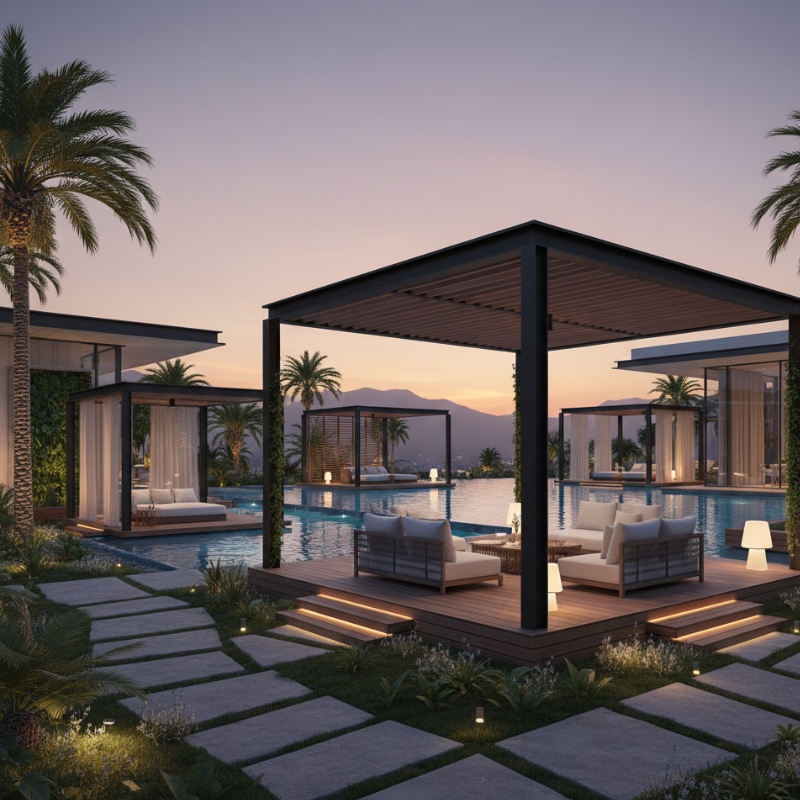
In modern exterior design, outdoor structures are no longer optional extras. They are strategic design elements that enhance usability, aesthetics, sustainability, and property value—all at once.
Whether applied to a residential backyard, a resort landscape, or an architectural concept study, well-designed outdoor structures elevate the entire experience of a space.
Final Thoughts
As exterior spaces continue to gain importance in modern architecture, outdoor structures will remain central to how these environments are shaped and experienced. They define how people gather, relax, and interact with their surroundings—making them a powerful design investment rather than a simple add-on.
If you’re exploring ideas, concepts, or inspiration for modern exterior spaces, thoughtful outdoor structure design can be the element that brings everything together.