


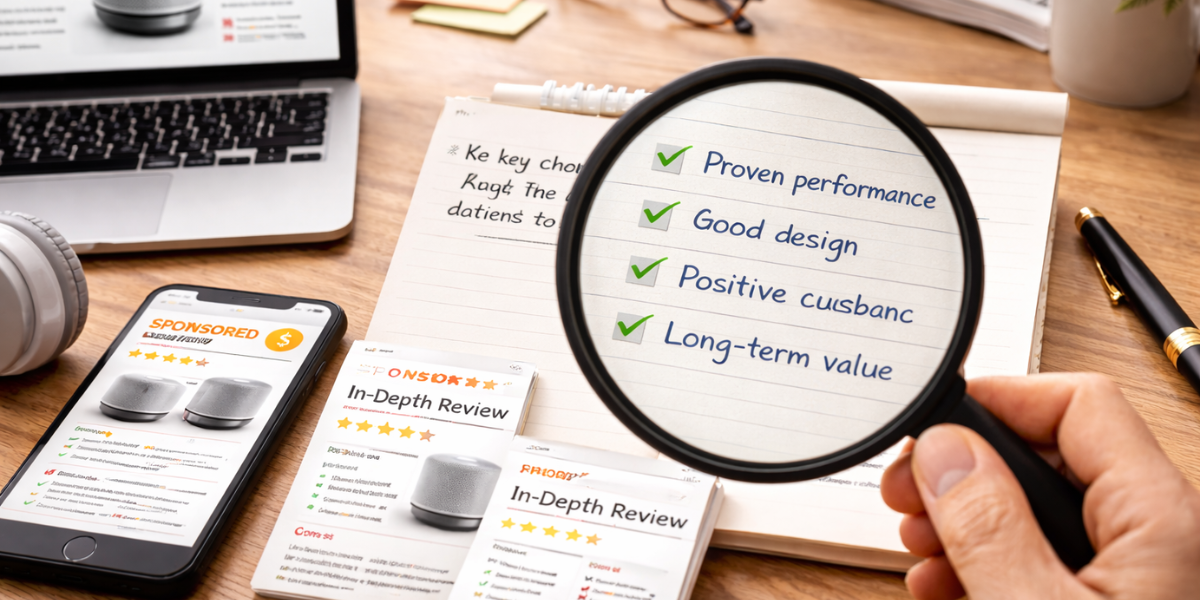
Star ratings have become the universal shorthand for product quality. A quick glance at a five-star score can feel reassuring, while anything below four stars often triggers doubt. But in reality, honest product reviews are far more nuanced than a single number. If you rely only on ratings, you may miss critical details that determine whether a product is truly right for you.
For readers who value thoughtful decisions—especially when products influence daily comfort, productivity, or long-term value—looking beyond star ratings is essential. Here’s how to read product reviews more critically and extract insights that actually matter.
Why Star Ratings Can Be Misleading
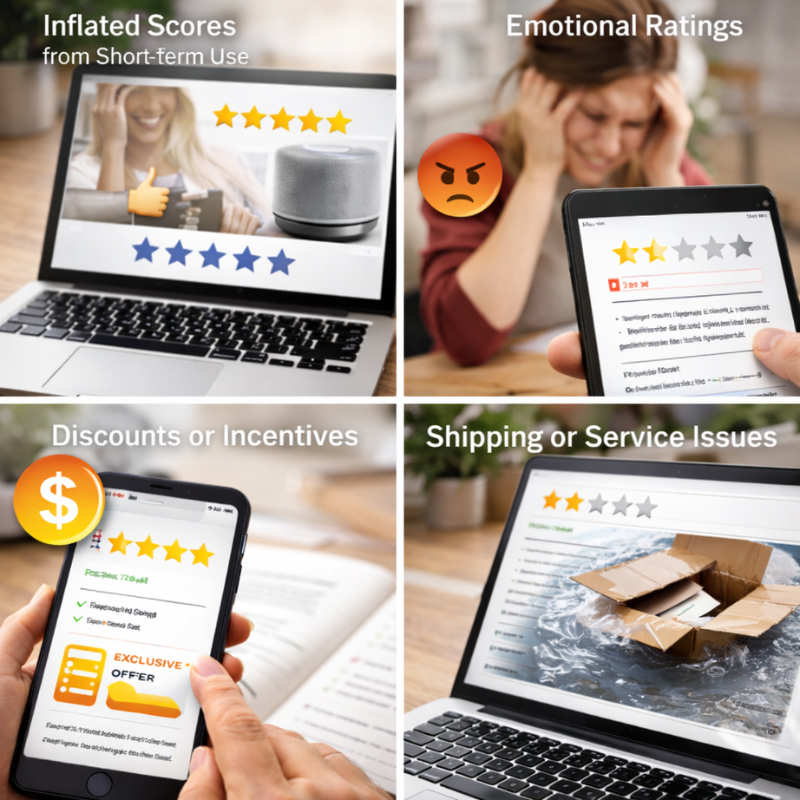
Star ratings are designed for speed, not depth. They summarize opinions but rarely explain why a product earned that score. A five-star rating might reflect excitement after a first use, while a three-star review could come from someone whose expectations didn’t align with the product’s purpose.
Some common issues with relying on ratings alone include:
- Inflated scores from short-term use
- Extreme ratings driven by emotion rather than experience
- Reviews influenced by discounts or incentives
- Low ratings caused by shipping or service issues, not the product itself
Understanding this context helps you avoid making decisions based on incomplete information.
Focus on the Substance of the Review
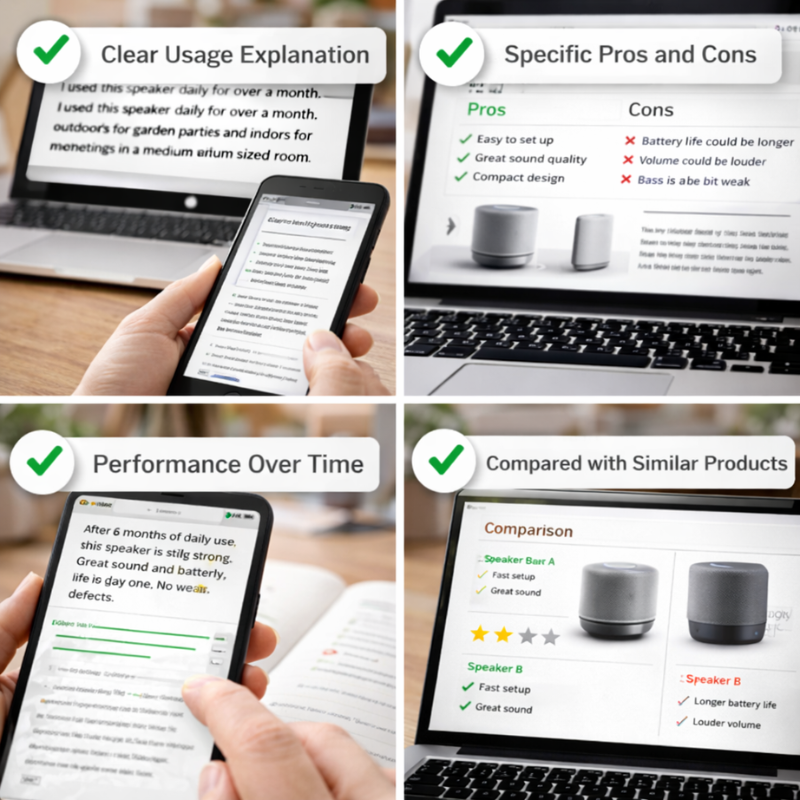
The most valuable product reviews are detailed, balanced, and specific. Instead of scanning for stars, read the body of the review and look for substance.
Strong indicators of an honest review include:
- Clear explanations of how the product was used
- Specific pros and cons rather than vague praise or criticism
- Mentions of performance over time
- Comparisons with similar products
Reviews that explain how and why something works—or doesn’t—are far more useful than generic statements like “great product” or “not worth it.”
Pay Attention to Repeated Patterns
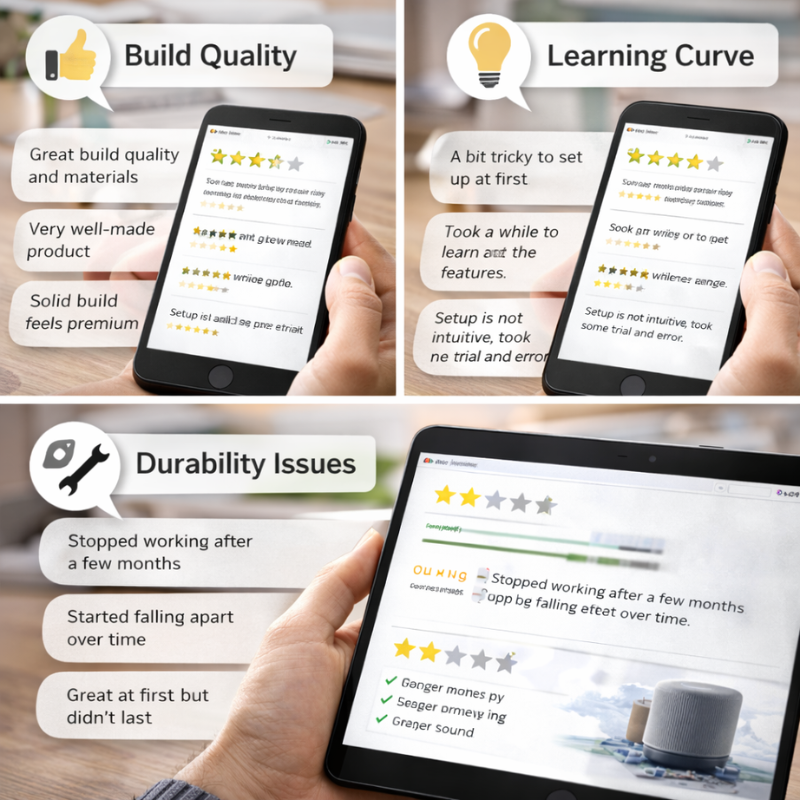
One review can be an outlier. Ten reviews pointing to the same strength or weakness are not. When reading through feedback, watch for recurring themes.
For example:
- Multiple users mention excellent build quality.
- Several reviews note a learning curve during setup.
- Repeated complaints about durability after long-term use
Patterns like these reveal real-world performance and help separate isolated opinions from consistent experiences.
Understand the Reviewer’s Perspective
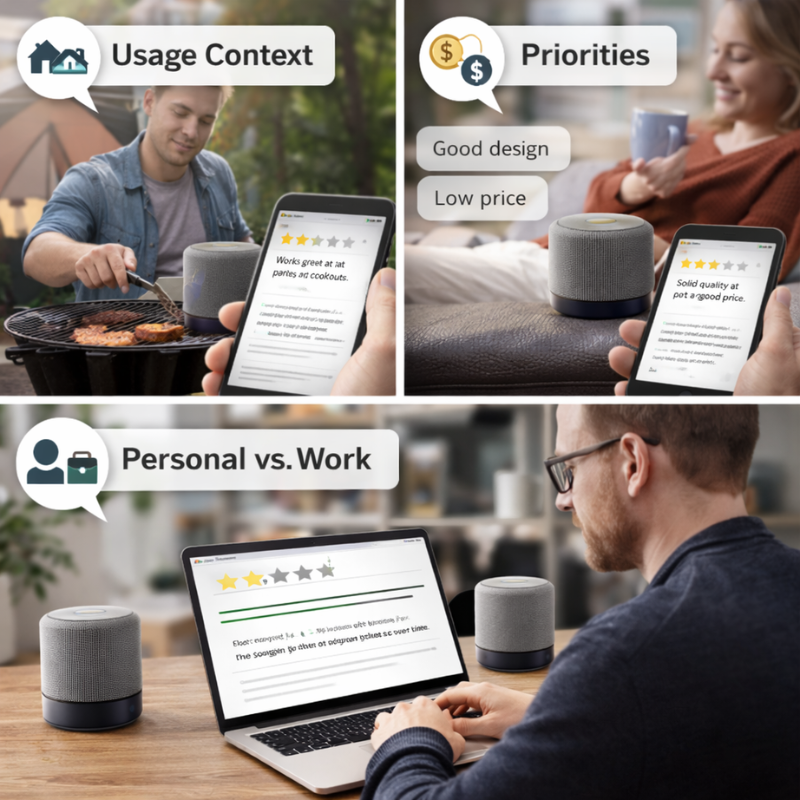
Not all reviewers are looking for the same thing. A product that frustrates one person may delight another, depending on their needs, experience level, or expectations.
Ask yourself:
- Does this reviewer use the product similarly to how I would?
- Are their priorities aligned with mine—price, design, performance, or longevity?
- Are they reviewing the product for personal use or professional purposes?
Context matters. A critical review may still be irrelevant if it focuses on a feature you don’t need.
Look for Real-World Usage Insights

Marketing descriptions and specifications often paint an ideal picture. Honest product reviews reveal how items perform in everyday conditions.
Valuable real-world details include:
- Ease of installation or setup
- Comfort and usability over extended periods
- Maintenance requirements
- Wear and tear after months of use
These insights are especially important for products intended for frequent or long-term use, where durability and practicality matter more than first impressions.
Separate Constructive Criticism From Noise
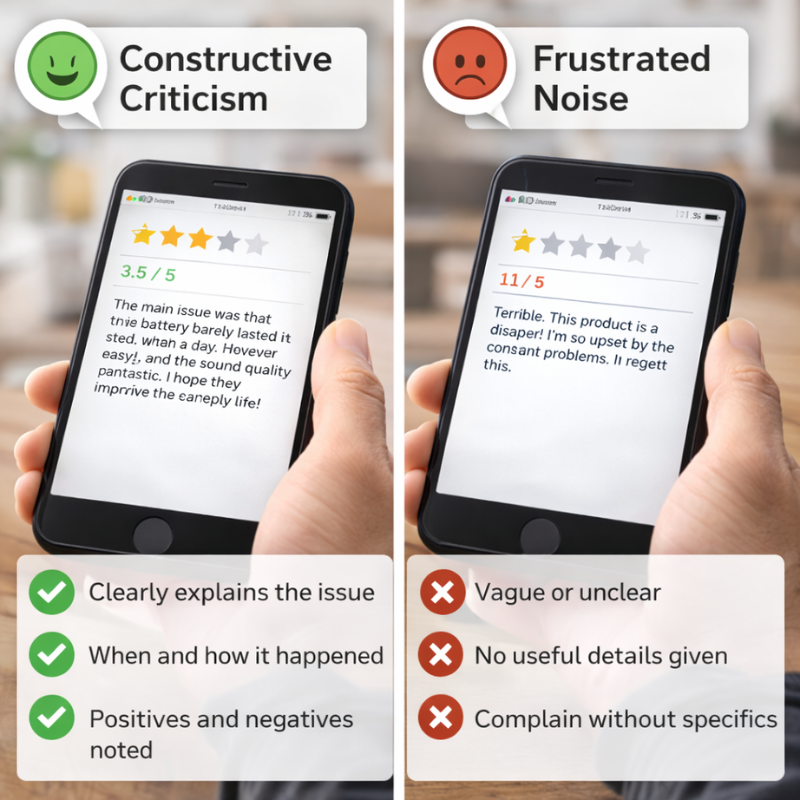
Negative reviews aren’t inherently bad—in fact, they can be extremely helpful. The key is distinguishing constructive criticism from emotional reactions.
Constructive criticism often:
- Explains the issue clearly
- Describes when and how the problem occurred
- Acknowledges both positives and negatives
By contrast, reviews driven by frustration, vague complaints, or unrealistic expectations often lack actionable insight. Learn to filter out noise and focus on feedback that adds clarity.
Watch for Transparency and Bias
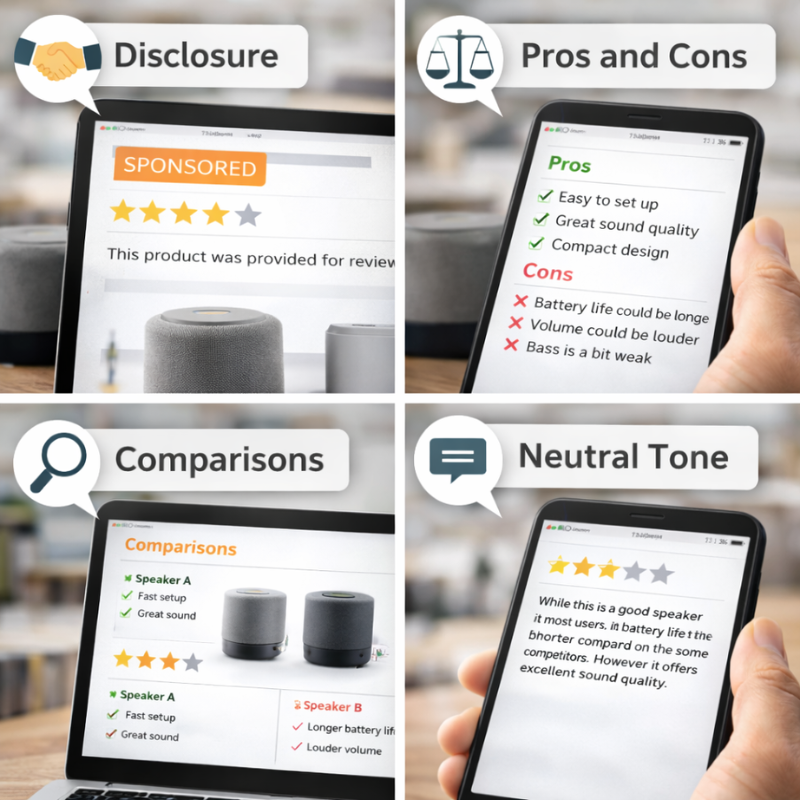
Some reviews are influenced by sponsorships, affiliate links, or promotional partnerships. While this doesn’t automatically make them untrustworthy, transparency is crucial.
Balanced reviews typically:
- Disclose partnerships or affiliations
- Highlight weaknesses alongside strengths
- Compare alternatives objectively
- Avoid overly promotional language
Honest reviewers aim to inform readers, not push them toward a purchase at any cost.
Compare Across Multiple Sources
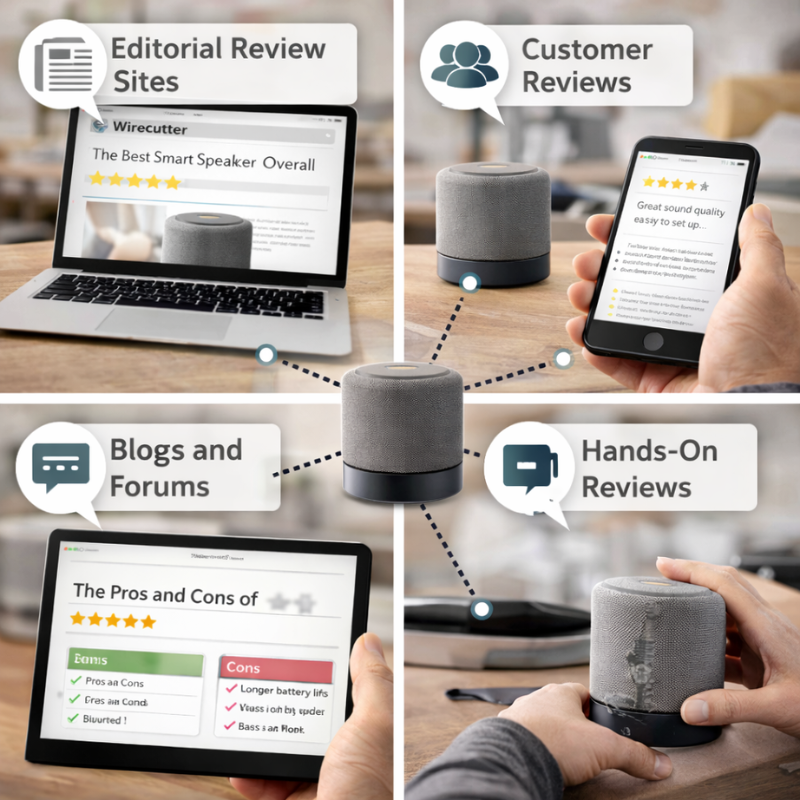
No single platform provides the full picture. To gain a balanced perspective, compare reviews from different sources, such as:
- Editorial review sites
- Customer feedback platforms
- Independent blogs or forums
- Long-form reviews with hands-on testing
Consistency across platforms is one of the strongest indicators of reliability. When the same pros and cons appear repeatedly, they’re likely accurate.
Consider Long-Term Value, Not Just Initial Satisfaction

A product that earns high ratings early on may not age well. Honest reviews often reveal whether something holds up over time or becomes costly due to repairs, replacements, or inefficiency.
Look for mentions of:
- Build quality and materials
- Warranty coverage and support experiences
- Upgrade or replacement cycles
- Overall lifespan
Long-term value often matters more than short-term satisfaction, especially for higher-cost purchases.
Use Reviews as a Guide, Not a Verdict
The smartest buyers don’t look for perfect products—they look for the right fit. Product reviews should guide your thinking, validate your research, and highlight details you might otherwise miss. They shouldn’t replace your judgment.
By reading reviews critically and looking beyond star ratings, you can make decisions that feel informed, confident, and aligned with your real needs.
At Ideas for Architecture, we believe thoughtful evaluation leads to better choices—not just in design and spaces, but in the everyday products that shape how we live. Explore more of our resources to gain deeper insights and make decisions with clarity and intention.