



In a world overflowing with choices, buying the right product has become harder than ever. Whether it’s a new gadget, home essential, design tool, or lifestyle upgrade, the difference between a smart purchase and a regrettable one often comes down to how well you research beforehand. This is where in-depth product reviews play a crucial role.
At their best, product reviews go far beyond star ratings. They tell stories of real-world use, highlight strengths and weaknesses, and help buyers understand whether a product truly fits their needs. Knowing how to read and evaluate these reviews can save you money, time, and frustration.
Why In-Depth Product Reviews Matter
Not all reviews are created equal. Quick summaries and one-line opinions may offer a snapshot, but they rarely provide enough context to support a confident decision. In-depth product reviews, on the other hand, explore performance, durability, usability, and value over time.
These reviews are especially important when purchasing products that are
- Higher in cost
- Intended for long-term use
- Integrated into daily routines or environments
- Influential to comfort, productivity, or aesthetics
A well-written review helps you see beyond marketing promises and understand how a product performs in real conditions.
Start With Your Own Needs

Before diving into reviews, clarify what you actually need. Many buyers make the mistake of searching for “best products” without defining their own priorities. A product that works perfectly for one person may be completely unsuitable for another.
Ask yourself:
- What problem am I trying to solve?
- How often will I use this product?
- Do I value performance, design, durability, or price most?
- Is this a short-term solution or a long-term investment?
Once your requirements are clear, reviews become much easier to interpret. You’ll know which feedback is relevant and which isn’t.
Look Beyond Star Ratings
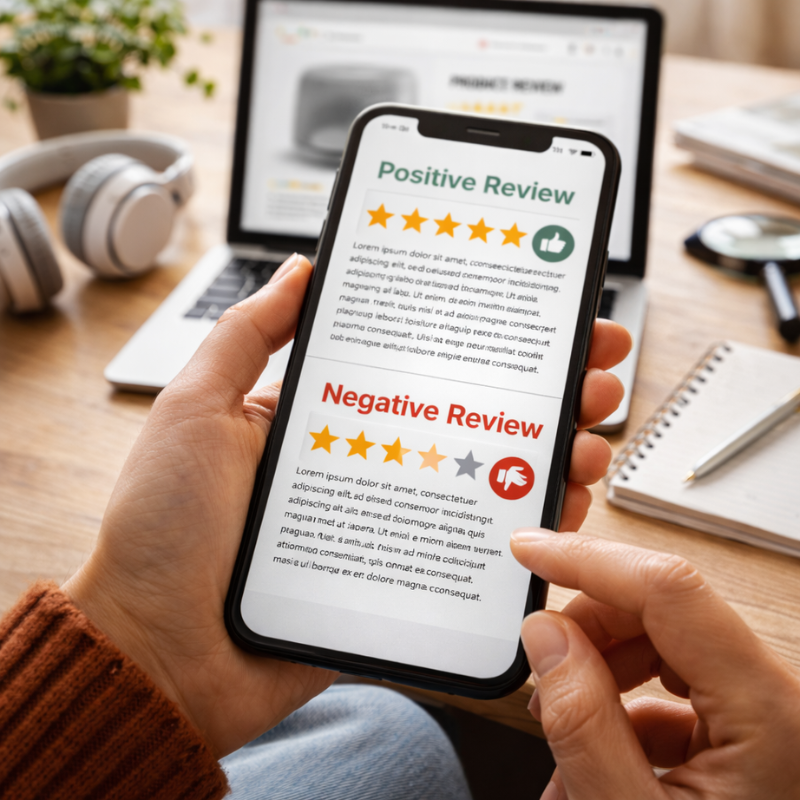
Star ratings are useful, but they should never be the only factor in your decision. A five-star average may hide critical flaws, while a four-star product might be more reliable overall.
Instead of focusing only on the score:
- Read both positive and negative reviews
- Look for repeated comments or patterns.
- Pay attention to detailed explanations rather than emotional reactions.
A product with consistent, well-reasoned feedback is often a safer choice than one with extreme praise and vague criticism.
Evaluate Real-World Usage

One of the biggest advantages of in-depth product reviews is insight into real-world usage. Specifications and feature lists rarely tell the full story. Reviews reveal how a product performs after weeks or months of use.
Key things to watch for include:
- Ease of setup and everyday use
- Maintenance requirements
- Wear and tear over time
- Reliability in different conditions
These details are particularly important for products used frequently or in demanding environments.
Separate Honest Criticism From Noise

Not every negative review should be treated as a red flag. Sometimes complaints stem from unrealistic expectations, misuse, or personal preferences rather than actual flaws.
When reading critical feedback:
- Check whether the issue appears repeatedly.
- See if the problem relates to your own use case
- Note how the brand responds to complaints, if at all.
Constructive criticism often provides valuable insight, while overly emotional or vague reviews can usually be discounted.
Compare Multiple Sources
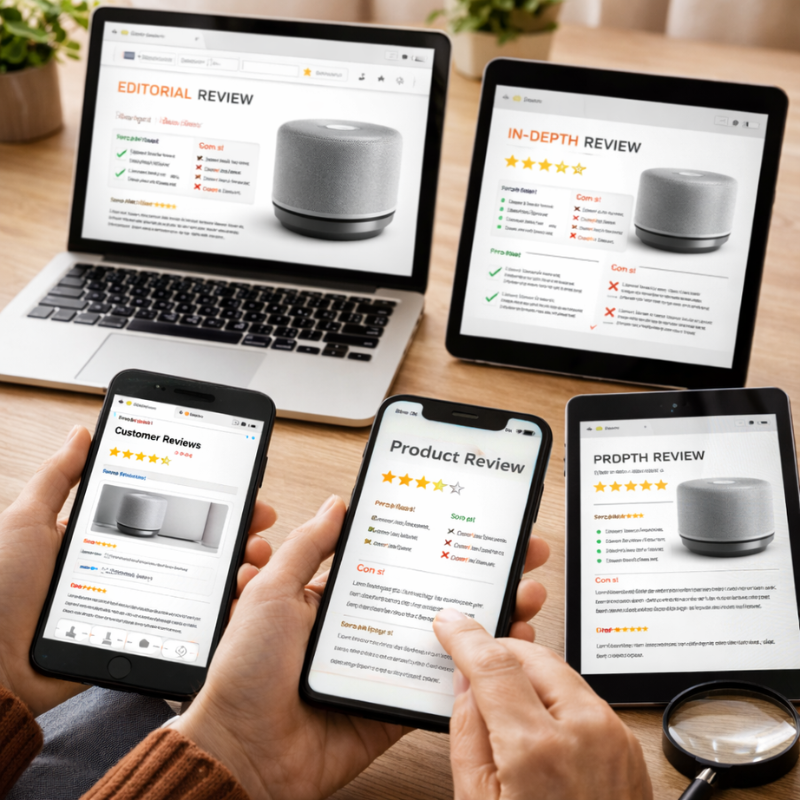
Relying on a single website or platform limits perspective. For a balanced understanding, compare reviews from multiple sources, such as:
- Editorial review sites
- Customer feedback platforms
- Niche blogs or forums
- Long-form reviews with hands-on testing
Consistency across different sources is a strong indicator of accuracy. If the same pros and cons appear repeatedly, they’re likely genuine.
Watch for Hidden Bias
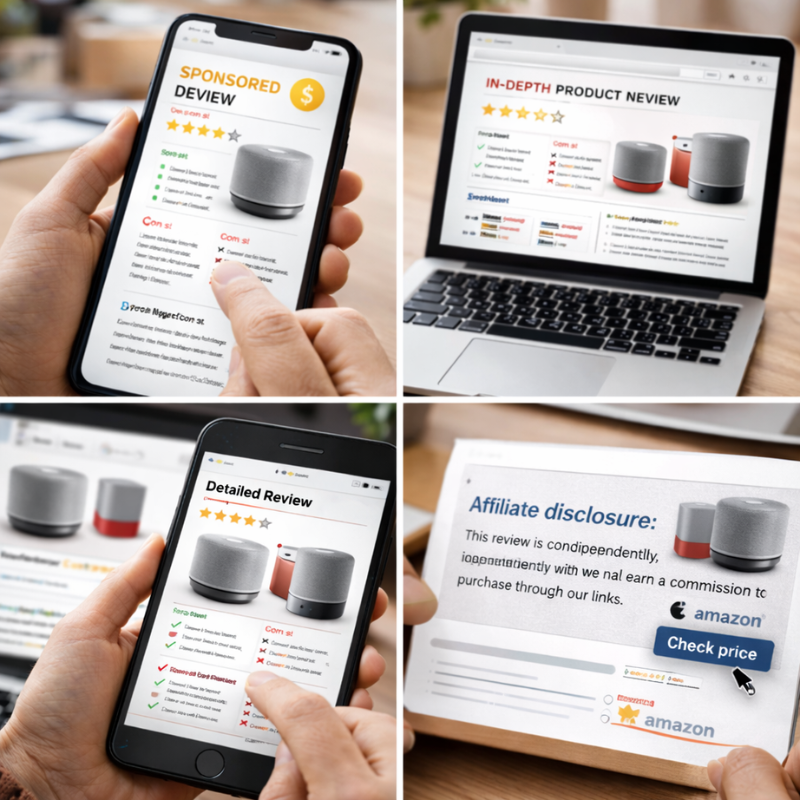
Some reviews are influenced by sponsorships, affiliate commissions, or promotional partnerships. While this doesn’t automatically make them unreliable, it does mean you should read with a critical eye.
Signs of balanced, trustworthy reviews include:
- Mention of both strengths and weaknesses
- Clear explanation of testing or usage
- Comparisons with similar products
- Transparent disclosures
Authentic reviews aim to inform, not just sell.
Consider Long-Term Value, Not Just Price

A cheaper product isn’t always the better deal. In-depth reviews often reveal whether a product delivers long-term value or becomes costly due to repairs, replacements, or inefficiency.
Think about:
- Build quality and materials
- Warranty and customer support
- Upgrade or replacement cycles
- Overall lifespan
Spending slightly more upfront can often lead to better satisfaction and lower costs over time.
Use Reviews as a Decision Tool, Not a Shortcut

Product reviews should guide your decision, not replace your judgment. Use them to validate your research, confirm assumptions, and uncover details you might otherwise miss.
The smartest buyers don’t look for perfection—they look for the right fit.
Final Thoughts
Choosing the right product before you buy is a skill, and in-depth product reviews are one of the most powerful tools you can use to develop it. By reading critically, comparing sources, and aligning feedback with your own needs, you can make confident decisions that stand the test of time.
At Ideas for Architecture, we believe thoughtful choices shape better experiences—whether in spaces, objects, or everyday decisions. If you value informed perspectives and practical guidance, explore more of our resources and insights designed to help you choose with clarity and confidence.