


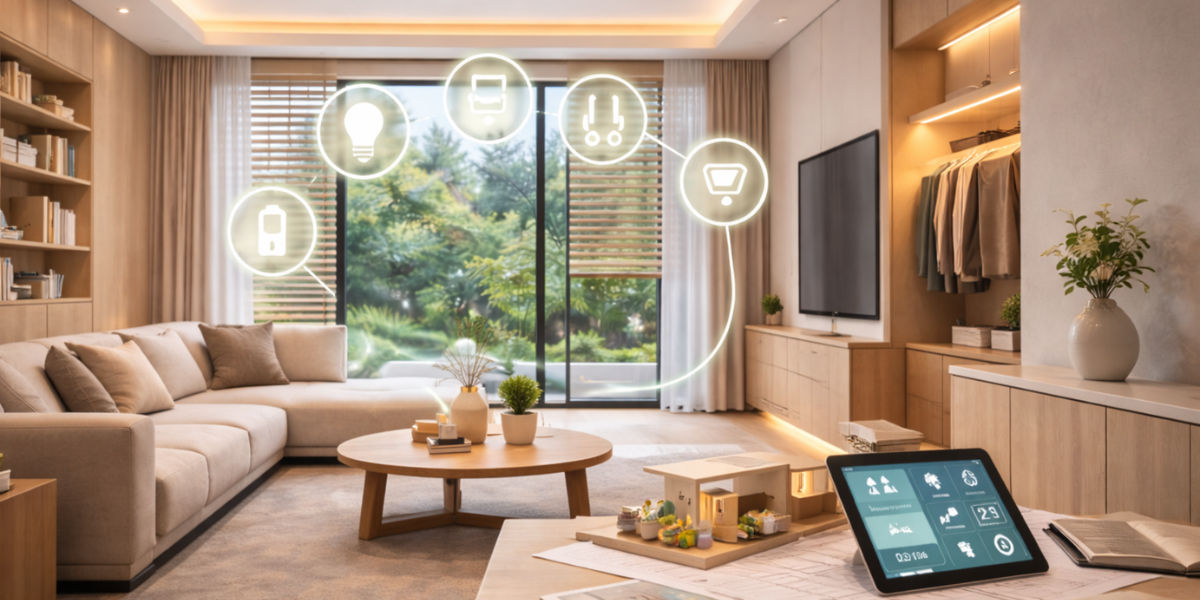
Modern living spaces are evolving faster than ever, driven by the seamless integration of technology into everyday life. What was once considered a luxury feature is now becoming a fundamental part of residential design. Smart home design is no longer about adding gadgets after construction—it is reshaping how homes are planned, built, and experienced from the ground up.
Today’s homes are expected to do more than look good. They must respond to the way people live, work, relax, and connect. Smart design bridges the gap between aesthetics and functionality, creating spaces that are intuitive, efficient, and deeply personal.
Design That Responds to Daily Life
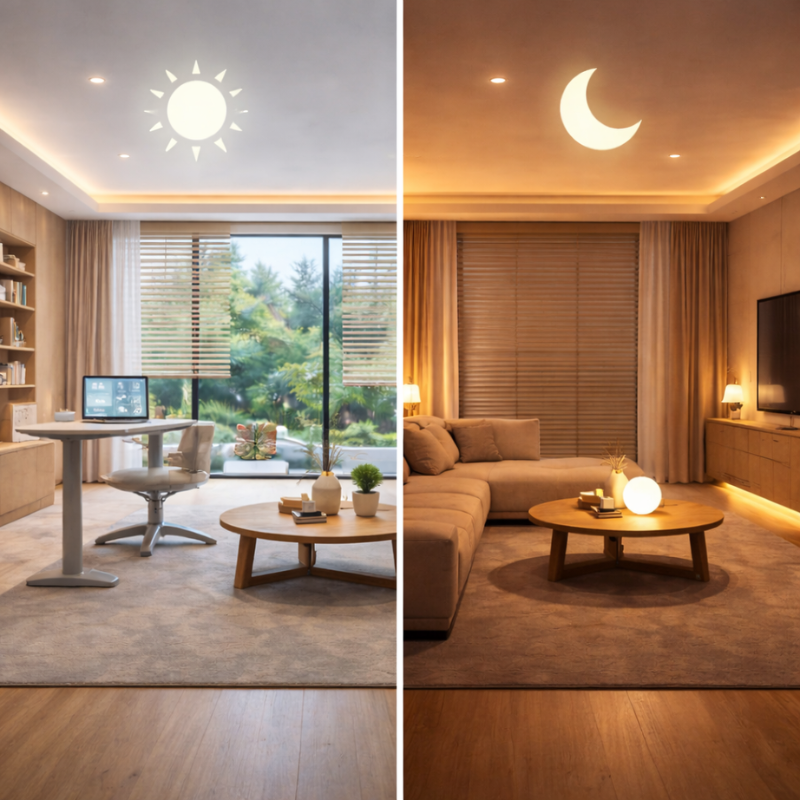
One of the most significant shifts in smart home design is its focus on adaptability. Traditional interiors were static, designed for fixed routines and long-term use. Smart homes, by contrast, are dynamic. Lighting, temperature, sound, and even spatial configurations can change throughout the day based on activity and preference.
Morning routines may involve bright, cool lighting and automated blinds that open gradually. Evenings can shift the same space into a calm, warm environment suited for rest or socializing. This ability to adapt transforms homes into living environments that actively support well-being rather than passively containing it.
For designers, this means thinking beyond form and function to consider experience. Rooms are no longer defined solely by furniture placement but by how technology enables multiple uses within the same footprint.
Technology That Blends Into the Architecture
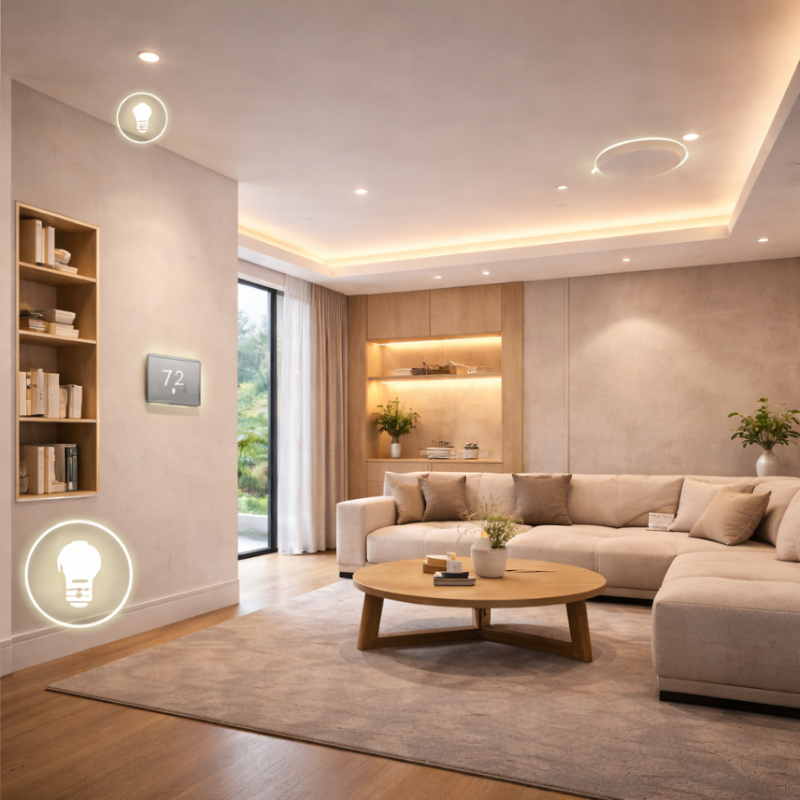
Early smart homes often suffered from visual clutter—visible screens, control panels, and exposed devices competing with interior aesthetics. Modern smart home design takes a very different approach. Technology is increasingly hidden within architectural elements, allowing interiors to remain clean and cohesive.
Lighting systems are integrated into ceilings, shelving, and joinery. Climate controls operate discreetly in the background. Speakers, sensors, and wiring are concealed within walls and fixtures. The result is a space where technology enhances comfort without drawing attention to itself.
This invisible integration supports minimalist and contemporary design styles particularly well, but it also works beautifully in warm, natural interiors. When technology disappears into the background, materials, textures, and craftsmanship take center stage.
Smarter Use of Space
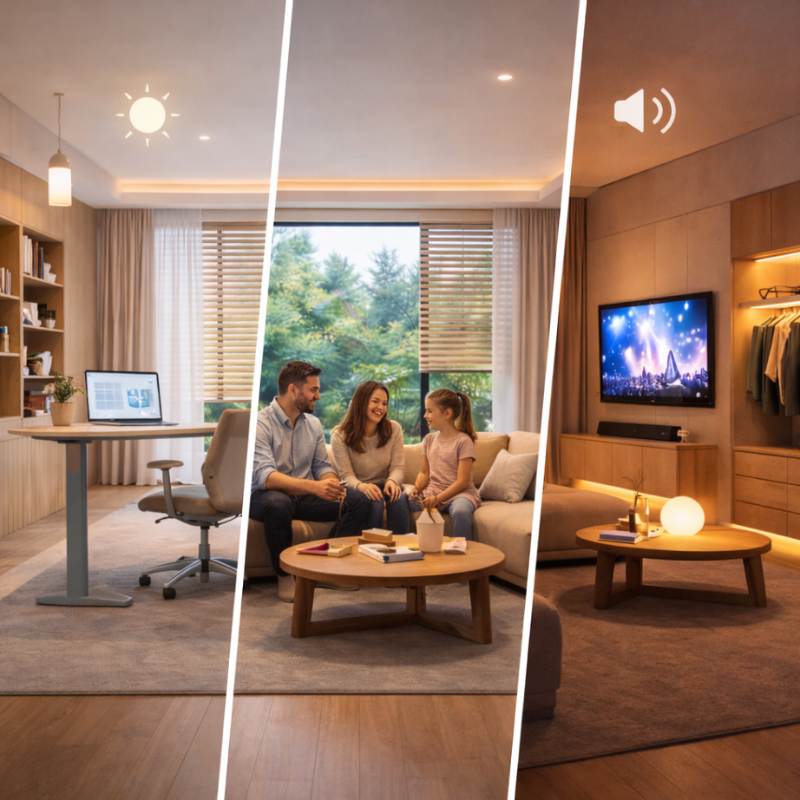
As urban homes become more compact, smart design is redefining how space is used. Instead of dedicating rooms to single functions, designers are creating flexible areas that shift purpose throughout the day.
A living room can serve as a workspace in the morning, a family gathering area in the afternoon, and an entertainment zone in the evening. Automated lighting, shading, and sound systems help define each mode without the need for physical changes.
Smart furniture also plays a growing role. Height-adjustable desks, beds with integrated lighting and charging, and storage with sensor-based illumination improve usability while reducing visual clutter. These solutions are especially valuable in apartments and smaller homes where every square meter matters.
Comfort Without Compromise
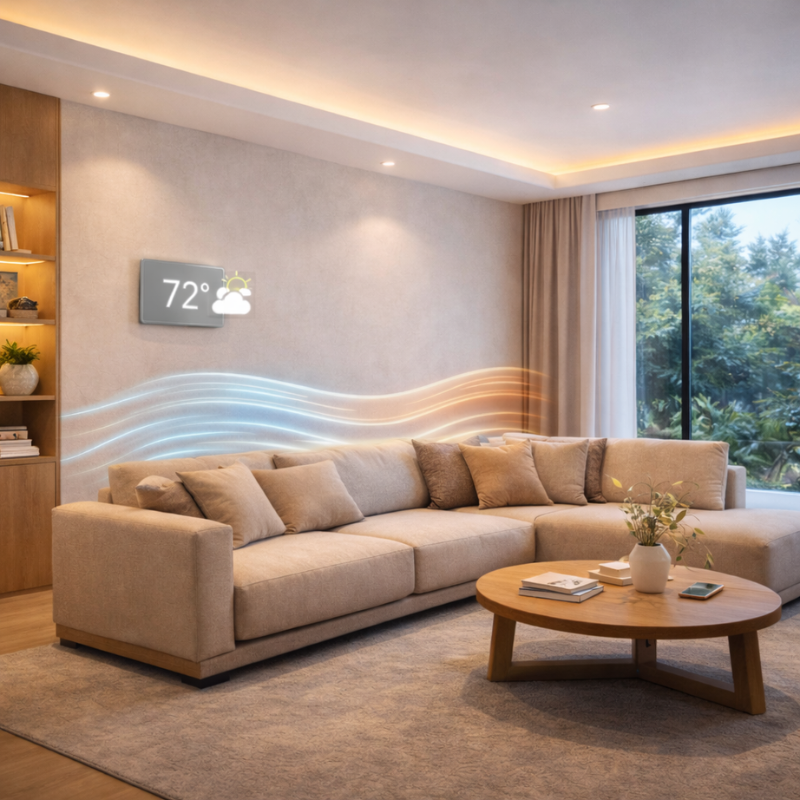
Comfort has always been central to interior design, but smart home systems elevate it to a new level. Automated climate control responds to occupancy, external weather conditions, and personal preferences, maintaining ideal comfort without constant manual adjustment.
Designers can now eliminate bulky radiators, visible thermostats, and intrusive vents, freeing up walls and floors for cleaner layouts. This opens up new possibilities for furniture placement, wall treatments, and architectural detailing.
The result is a home that feels effortlessly comfortable while maintaining a refined, uncluttered appearance.
Lighting as an Emotional Design Tool
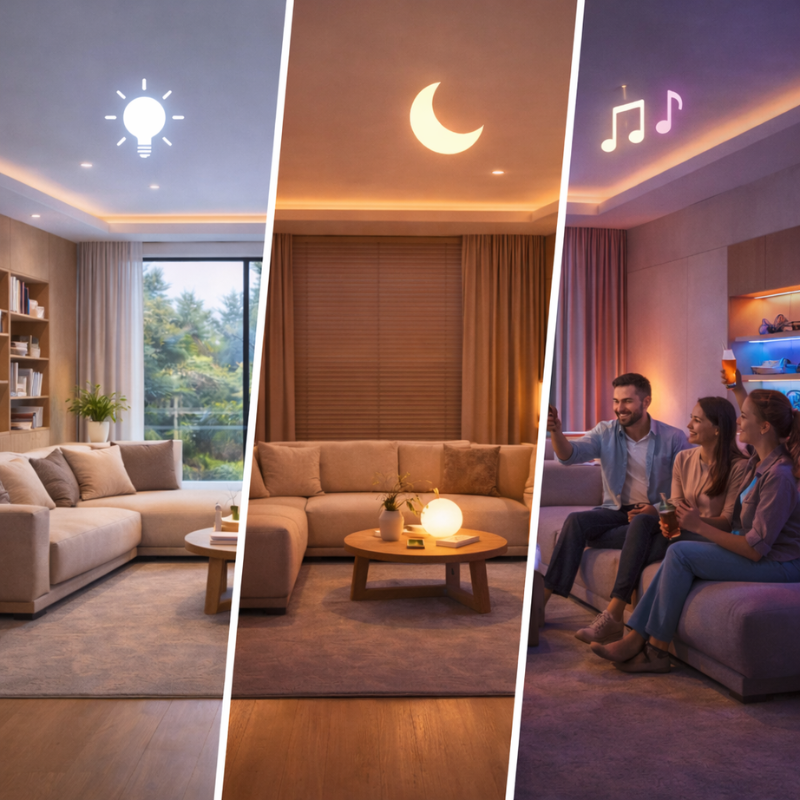
Lighting is one of the most powerful elements in interior design, and smart systems have transformed how it is used. Rather than serving a purely functional role, lighting now shapes mood, energy, and atmosphere throughout the home.
Automated lighting can support natural circadian rhythms, improving sleep quality and daily focus. Layered lighting—combining ambient, task, and accent sources—allows homeowners to create different scenes instantly, from quiet evenings to lively social gatherings.
For designers, smart lighting offers creative freedom. Light becomes a flexible material, shaping space and emotion without altering physical structure.
Seamless Interaction and Accessibility
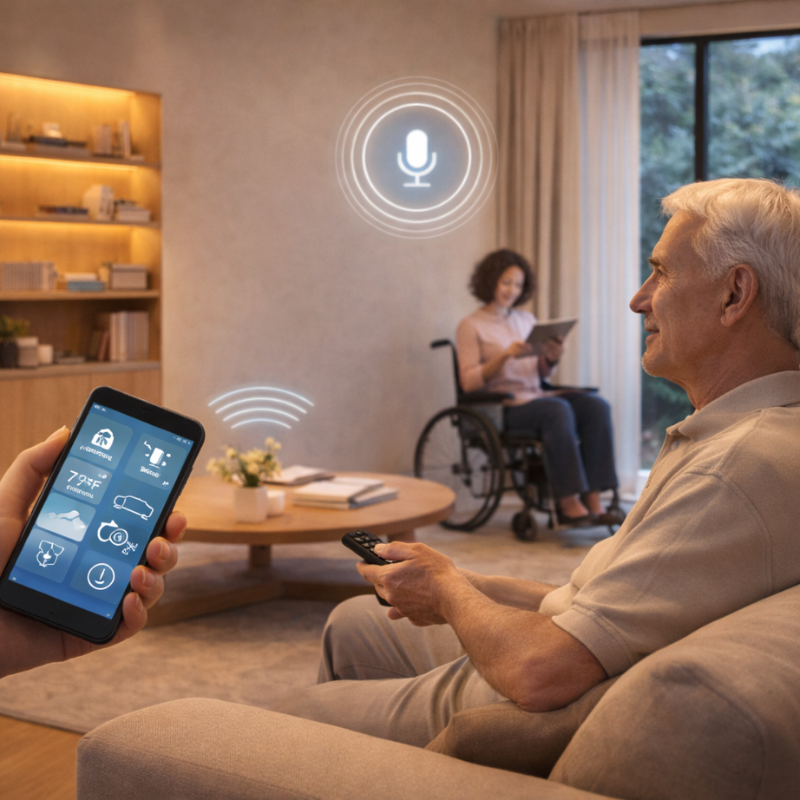
Smart home design also redefines how people interact with their environment. Voice control, app-based management, and automated routines reduce reliance on switches and control panels.
This shift allows walls to become design features rather than functional necessities, supporting uninterrupted surfaces, textured finishes, and statement materials. At the same time, smart interaction enhances accessibility, making homes easier to navigate for people of all ages and abilities.
Inclusive design is no longer a separate consideration—it is built into the smart home experience.
Sustainability Through Intelligent Design
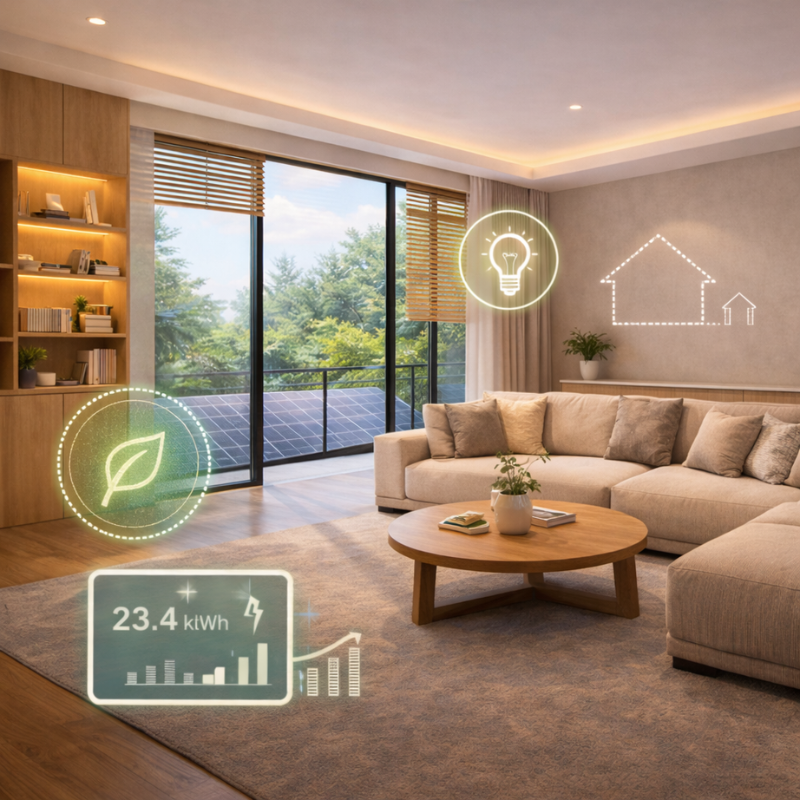
Sustainability is now a core priority in residential design, and smart homes play a vital role in reducing environmental impact. Automated systems monitor energy usage, optimize heating and cooling, and ensure lighting is only used when needed.
Designers increasingly pair smart technology with passive design strategies, such as natural daylighting, ventilation, and sustainable materials. Automated blinds, for example, work alongside window placement to reduce heat gain and energy consumption.
This combination creates homes that are not only beautiful and comfortable but also responsible and future-ready.
The Designer’s Expanding Role
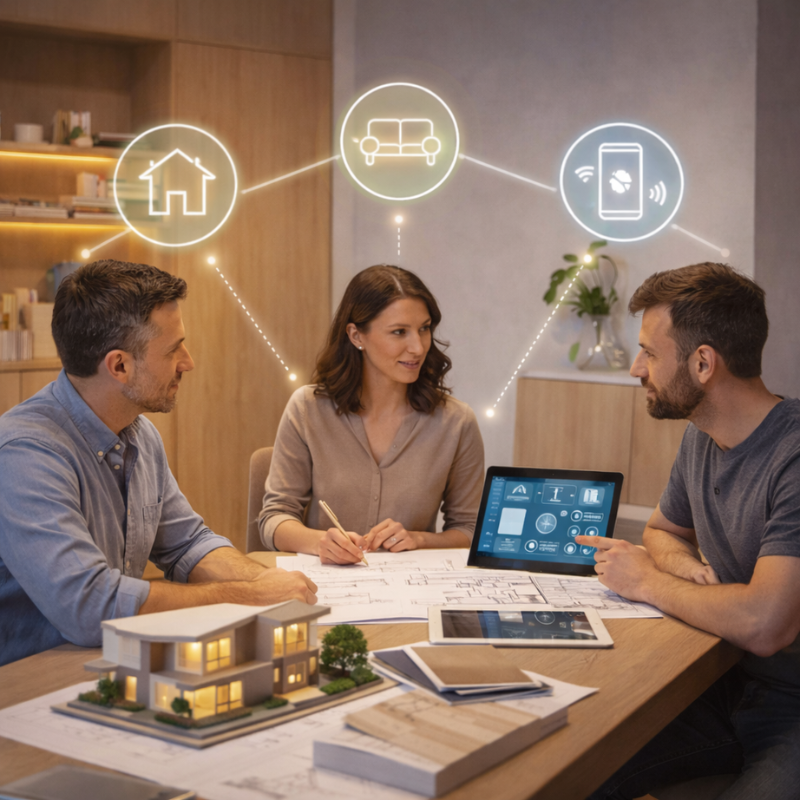
As smart home design becomes more sophisticated, the role of the interior designer is expanding. Designers are now collaborators, working closely with architects and technology specialists to ensure that smart systems align with the overall design vision.
Early planning is essential. When technology is considered from the start, it enhances design rather than dictating it. The most successful smart homes feel intuitive and natural, not technical or over-engineered.
Looking Ahead
Smart home design is redefining modern living by creating spaces that respond to human needs with intelligence and elegance. It is not about filling homes with technology, but about using technology thoughtfully to improve comfort, flexibility, and quality of life.
As expectations continue to evolve, homes designed with smart principles will stand out—not just for their innovation, but for how effortlessly they support the way people live.
If you are exploring ideas that blend architecture, interiors, and innovation, smart home design offers a powerful foundation for creating spaces that are both timeless and forward-thinking.