


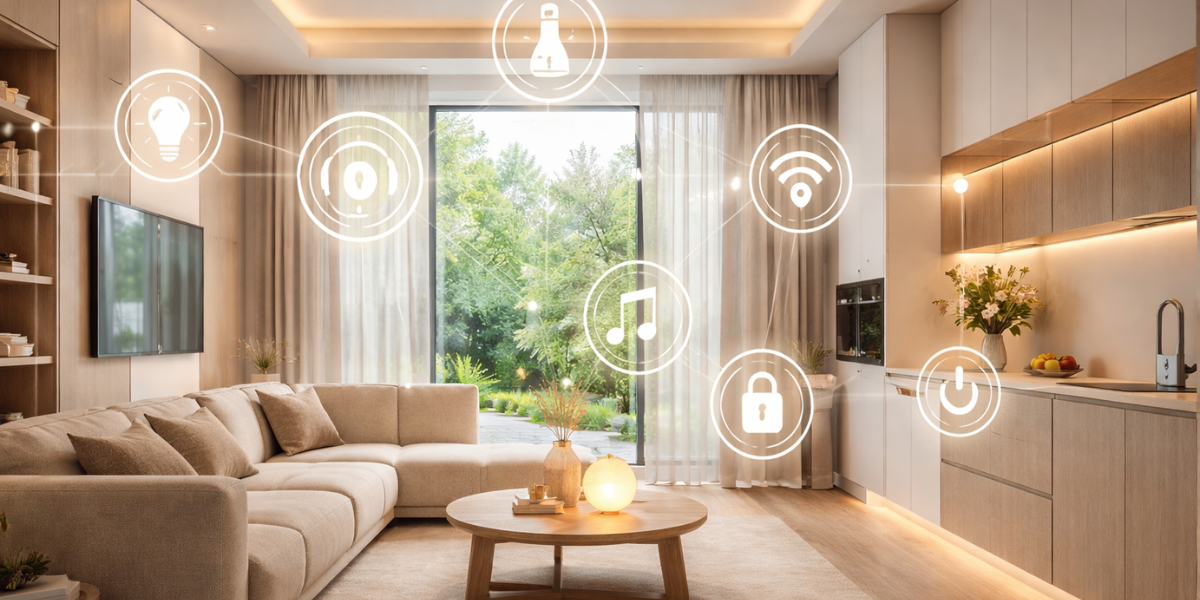
Interior design is no longer just about aesthetics. Today, it is equally about how spaces function, adapt, and respond to the people living in them. As smart home automation becomes more accessible and sophisticated, it is reshaping the way designers think about homes—from layout planning to material selection and even lighting moods. The modern interior is evolving into a connected, intuitive environment where technology blends seamlessly with design.
Rather than adding gadgets as an afterthought, smart automation is now influencing design decisions from the very beginning. Homes are being planned as intelligent ecosystems, where comfort, efficiency, and visual harmony work together.
Technology That Disappears Into Design
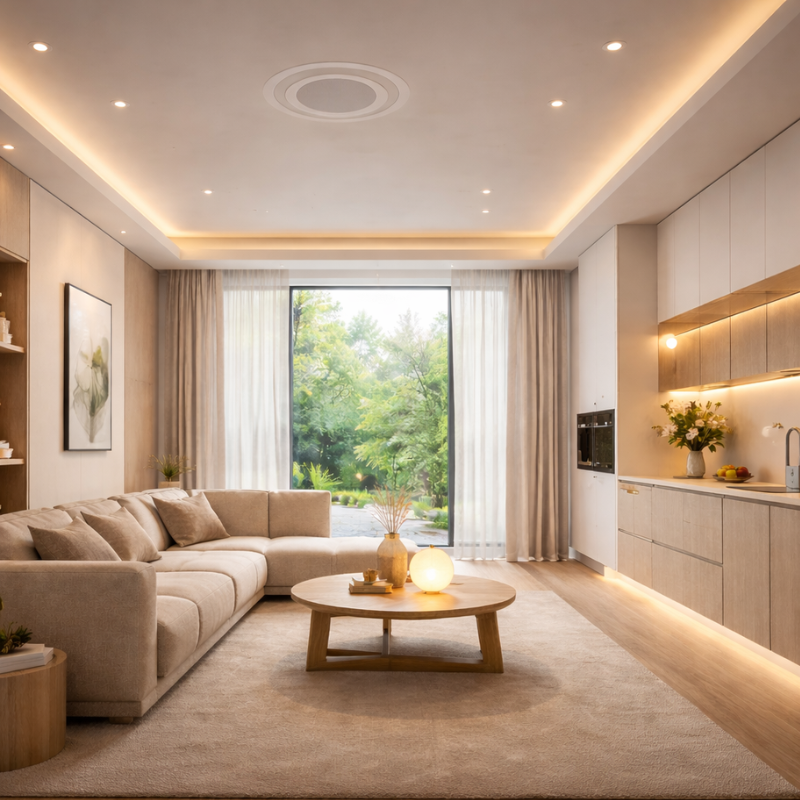
One of the biggest shifts in smart home automation is the move toward invisible technology. Early smart homes often felt cluttered with screens, sensors, and devices. Today, designers aim to hide technology within the architecture itself.
Lighting systems are embedded into ceilings and cabinetry, speakers are concealed behind walls or panels, and smart sensors are integrated into fixtures rather than mounted visibly. This approach allows interiors to remain clean and uncluttered while still delivering advanced functionality.
Minimalist interiors, in particular, benefit from this trend. Automation supports simplicity by reducing the need for multiple switches, remotes, and controls. A single app or voice command can manage an entire space without disrupting the visual flow of the room.
Lighting as a Dynamic Design Element
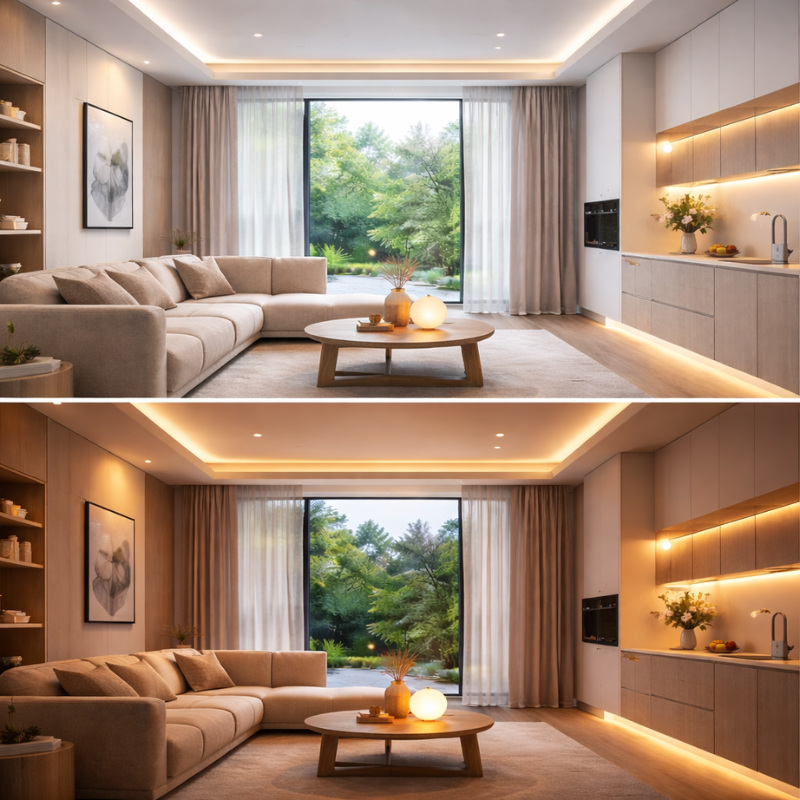
Smart lighting has moved far beyond basic on-and-off control. Today, lighting plays a central role in how interiors feel and function throughout the day.
Designers now use automated lighting to support circadian rhythms, adjusting brightness and color temperature based on time of day. Warm tones in the evening create a relaxing atmosphere, while cooler tones during the day enhance focus and productivity. This not only improves comfort but also elevates the emotional experience of a space.
Layered lighting—ambient, task, and accent—is increasingly controlled through smart systems, allowing homeowners to change moods instantly. From entertaining guests to winding down at night, lighting scenes have become an essential part of modern interior design.
Smart Climate Control and Spatial Comfort
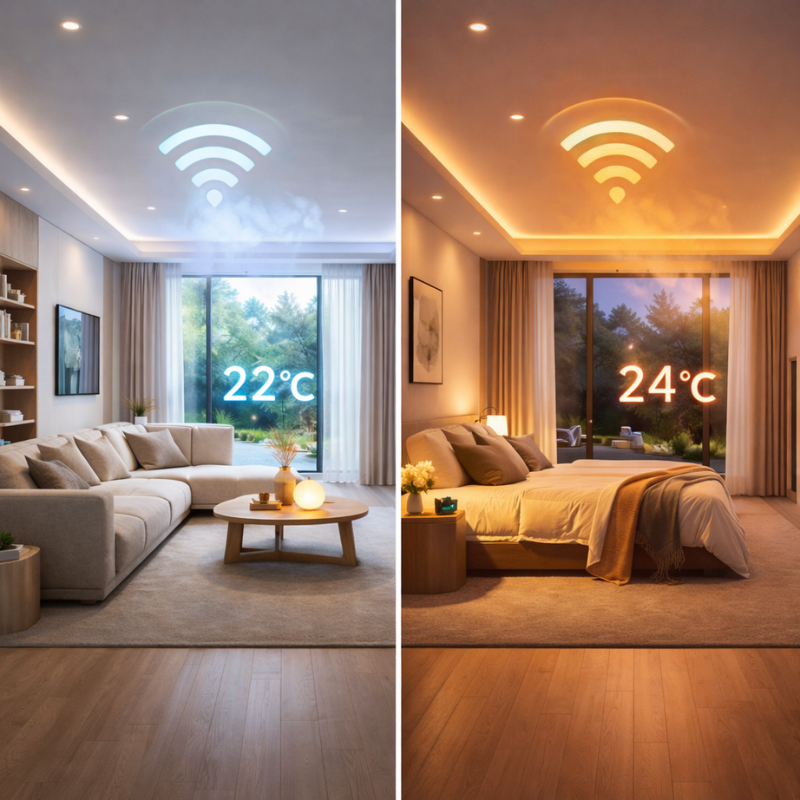
Comfort has always been a core principle of interior design, but smart climate systems take it to a new level. Automated heating, cooling, and ventilation systems respond to occupancy, weather conditions, and personal preferences.
Instead of designing rooms with static temperature assumptions, designers now plan flexible zones that adapt in real time. Open-plan living areas, bedrooms, and workspaces can each maintain ideal comfort levels without manual adjustments.
From an aesthetic standpoint, smart climate control also allows designers to eliminate bulky radiators, visible thermostats, and intrusive vents. This creates more freedom in layout design and wall treatments, supporting cleaner and more refined interiors.
Voice Control and Seamless Interaction
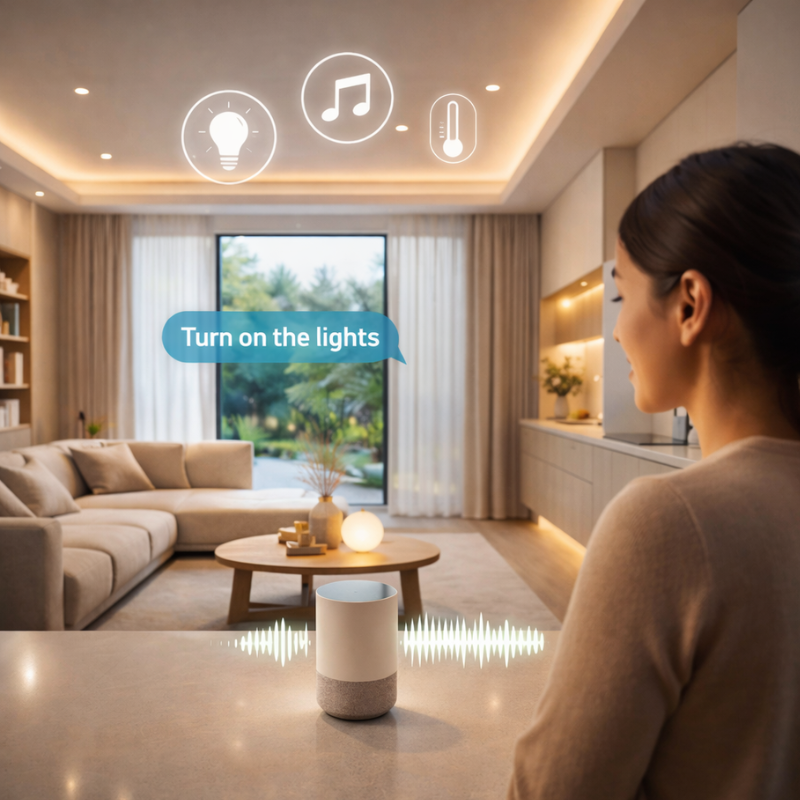
Voice-controlled smart homes have changed how people interact with their living spaces. Systems integrated with popular voice assistants allow users to control lighting, blinds, music, and temperature without touching a switch.
For interior designers, this reduces reliance on traditional control panels and switch-heavy walls. As a result, walls can be treated as design features rather than functional limitations. Textured finishes, statement panels, and uninterrupted surfaces become easier to execute.
Voice interaction also supports inclusive design. Homes become more accessible for people with mobility challenges, older residents, or anyone seeking a more effortless living experience.
Smart Furniture and Multi-Functional Spaces
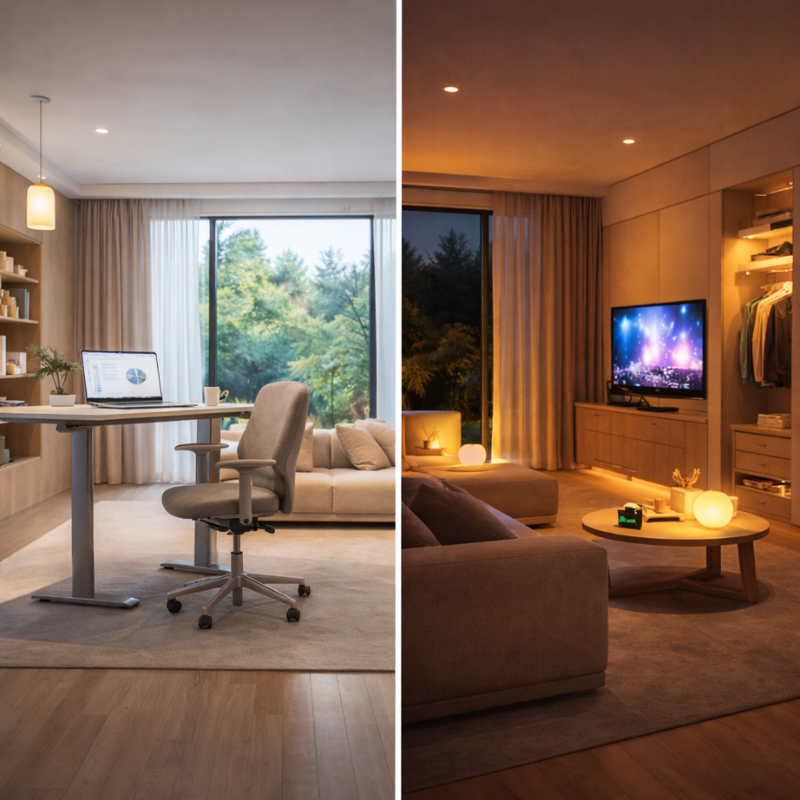
As homes become more compact and flexible, smart furniture is playing an increasing role in interior design. Desks that adjust height automatically, beds with integrated lighting and charging, and wardrobes with sensor-based lighting are becoming more common.
Automation supports multi-functional spaces by allowing rooms to transform based on use. A living room can switch from a work-focused environment during the day to an entertainment space at night through automated lighting, sound, and shading.
This trend is particularly relevant in urban homes where space efficiency is critical. Designers are now thinking beyond static furniture placement and embracing adaptable interiors powered by smart technology.
Integrated Security Without Visual Clutter
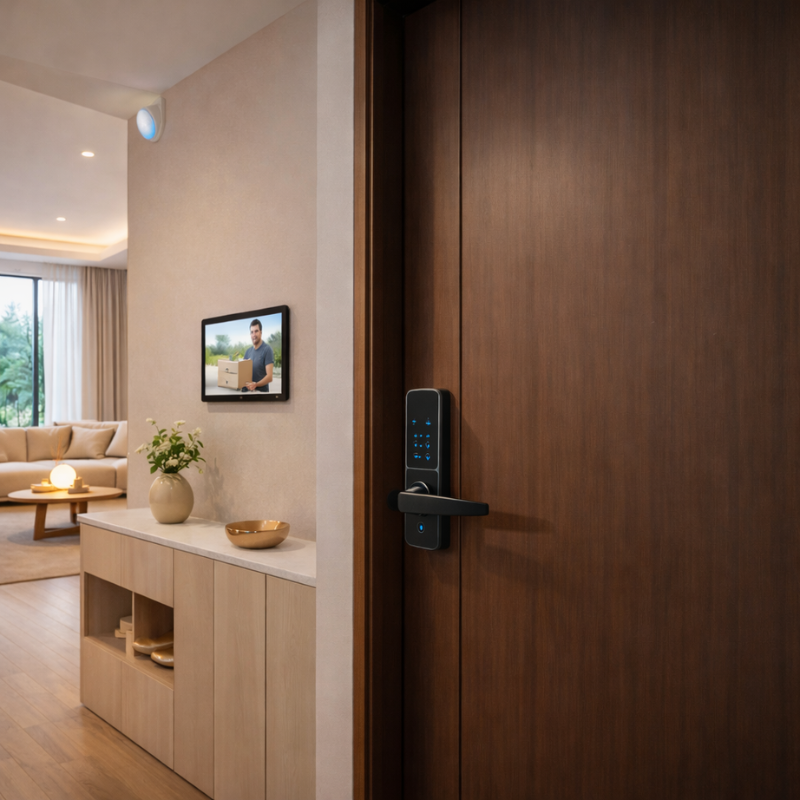
Security is another area where smart automation is shaping interior design choices. Modern smart security systems include discreet cameras, motion sensors, and access controls that integrate seamlessly into the home.
Rather than visible hardware that disrupts design, security features are now embedded into door frames, lighting systems, and architectural elements. This allows designers to maintain a welcoming and stylish atmosphere without compromising safety.
Smart locks and entry systems also influence entryway design. Keyless access reduces the need for traditional storage solutions while supporting a cleaner, more contemporary look.
Sustainability Through Smart Design
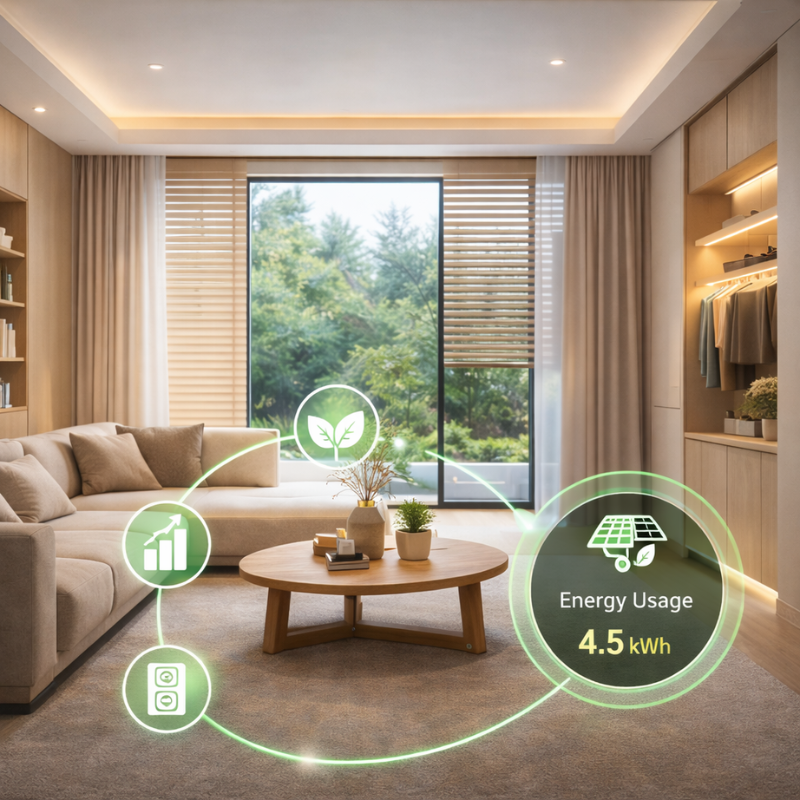
Sustainability is no longer optional in interior design, and smart home automation plays a key role in reducing environmental impact. Automated systems monitor energy usage, manage lighting efficiency, and optimize heating and cooling to minimize waste.
Designers increasingly align smart technology with sustainable materials and passive design strategies. For example, automated blinds work alongside natural daylighting to reduce energy consumption while enhancing interior comfort.
This combination of technology and sustainability creates homes that are not only beautiful but also responsible and future-ready.
The Designer’s Role in Smart Homes
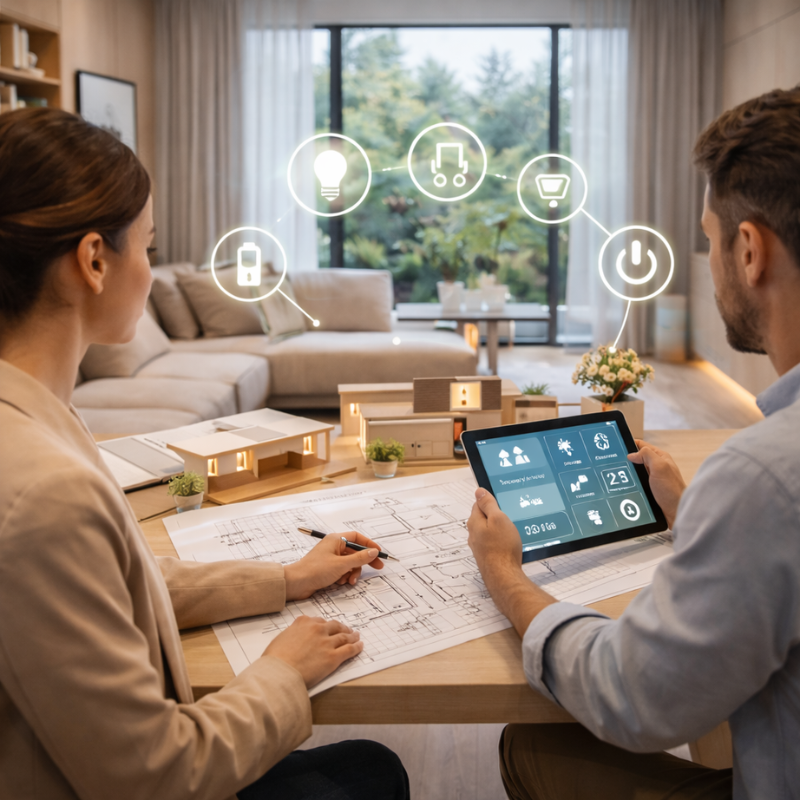
As automation becomes more integrated, interior designers are taking on a more strategic role. They are no longer just styling spaces but also shaping how technology fits into everyday life.
Collaboration between designers, architects, and technology specialists is becoming essential. Early planning ensures that smart systems support the design vision rather than forcing compromises later.
The most successful smart homes feel intuitive, not technical. When design and automation work together, technology fades into the background, allowing the space itself to take center stage.
Looking Ahead
Smart home automation is no longer a luxury reserved for high-end properties. It is rapidly becoming a standard feature of well-designed homes. As technology continues to evolve, interior design will increasingly focus on adaptability, comfort, and seamless integration.
The future of interior design lies in creating spaces that respond intelligently to human needs while maintaining warmth, personality, and visual appeal.
If you are exploring innovative ideas that blend design and technology, now is the perfect time to rethink how smart automation can enhance interior spaces—not just functionally, but beautifully.