


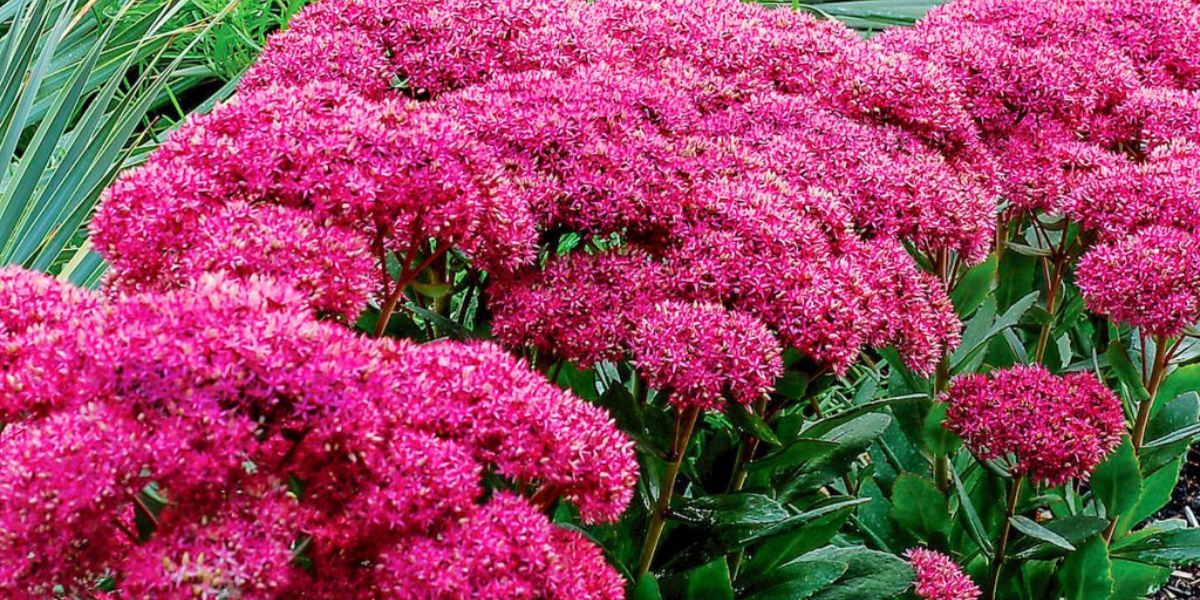
A well-designed home garden isn’t just beautiful for a few months of the year—it evolves with the seasons. Choosing the right plants ensures your garden stays lively, balanced, and visually appealing no matter the weather. Whether you have a spacious yard or a compact outdoor area, selecting plants that thrive across different seasons helps create a garden that feels alive year-round.
The key lies in understanding how plants behave throughout the seasons and combining them in a way that ensures constant interest, color, and texture.
Understanding Seasonal Balance in Garden Design
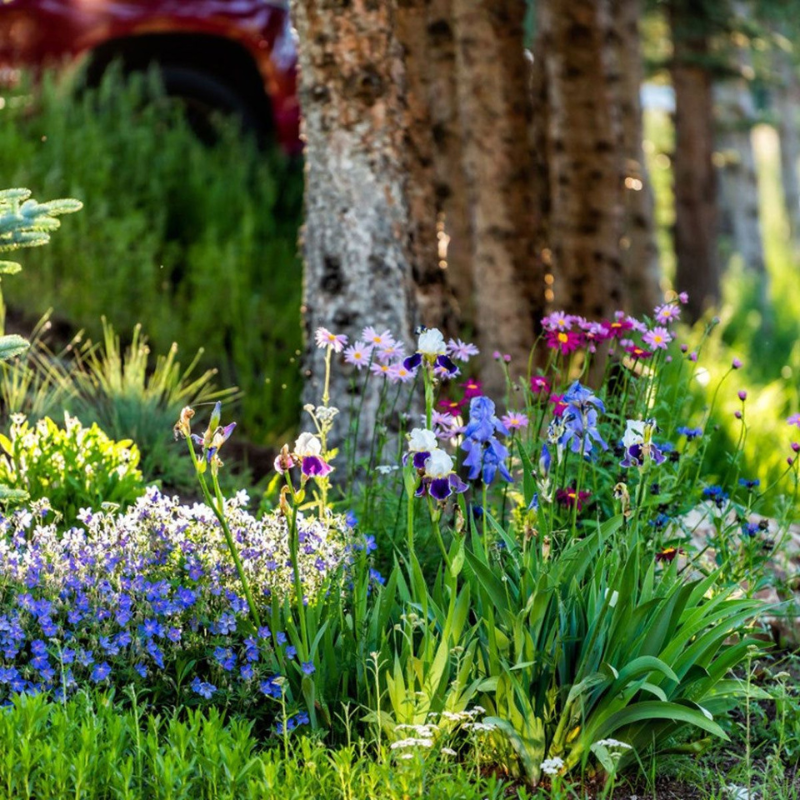
Every season brings its own character. Spring introduces fresh growth and flowers, summer delivers fullness and vibrancy, autumn adds warmth and texture, while winter offers structure and calm.
Rather than filling your garden with plants that peak at the same time, aim for a balanced mix. Evergreen plants provide year-round structure, flowering plants add seasonal highlights, and ornamental foliage ensures visual interest even when blooms fade. This layered approach creates a garden that never feels empty or neglected.
Evergreen Plants: The Backbone of Any Garden
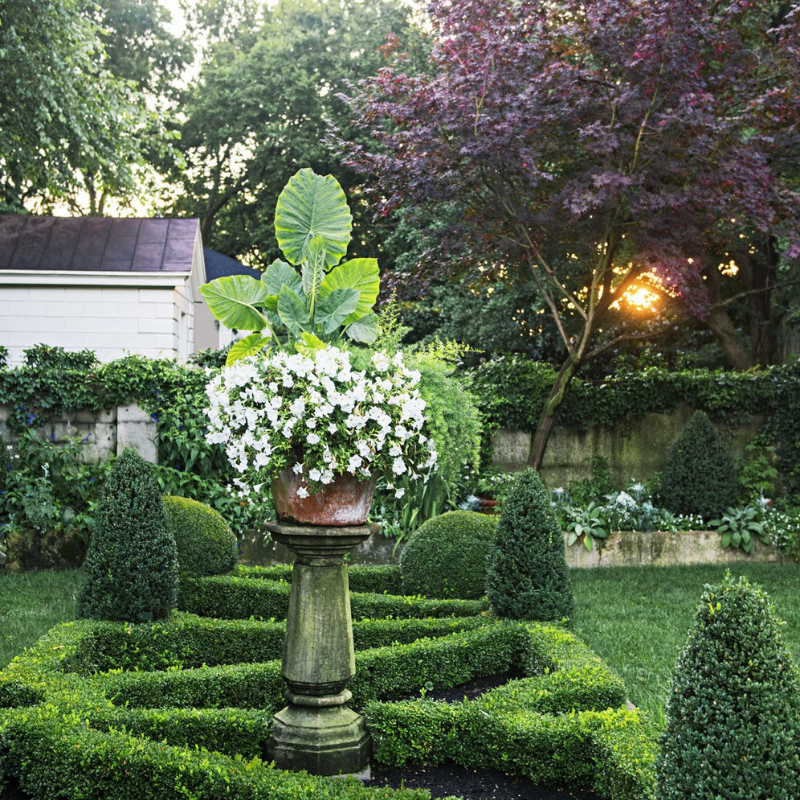
Evergreen plants form the foundation of an all-season garden. They retain their foliage throughout the year, providing consistency and structure when other plants go dormant.
Shrubs like boxwood, juniper, and dwarf conifers are popular choices for home gardens. They work well as hedges, borders, or focal elements and help define garden zones. Evergreen grasses and ground covers also add texture and movement, particularly in modern or minimalist garden designs.
By anchoring your garden with evergreens, you ensure it always looks intentional—even in the quieter months.
Spring and Summer Bloomers for Color and Energy
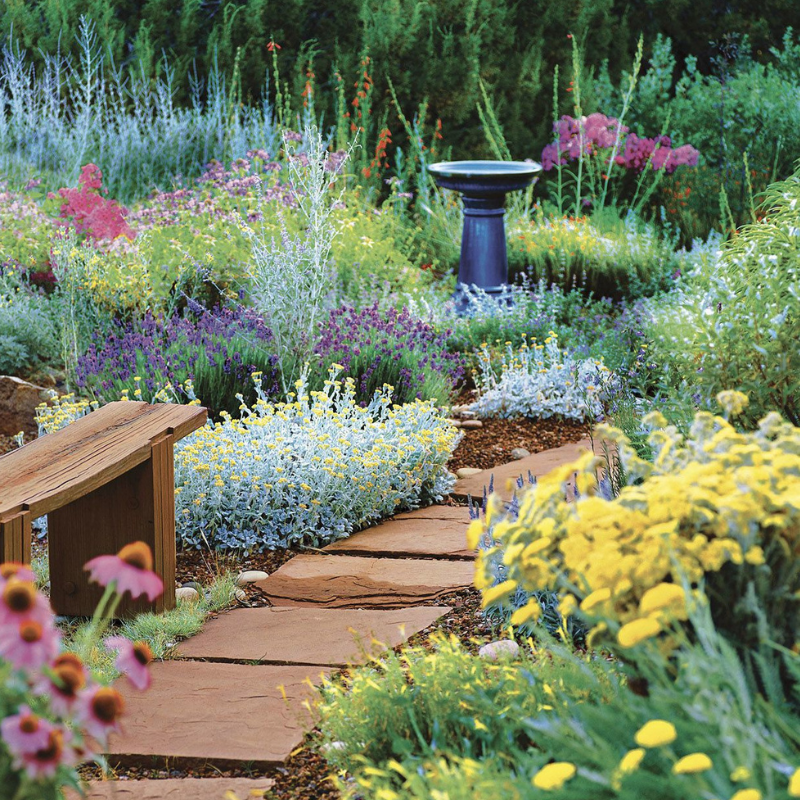
Spring and summer are the most expressive seasons in the garden. Flowering plants bring color, fragrance, and life, attracting pollinators and enhancing the overall atmosphere.
Perennials such as lavender, daylilies, salvia, and geraniums are reliable performers that return year after year. They offer extended flowering periods and require less maintenance than annuals. For additional impact, seasonal annuals can be used sparingly to fill gaps or add bursts of color.
Climbing plants like jasmine or clematis are excellent for vertical interest, making them especially valuable in smaller home gardens.
Foliage Plants That Shine Beyond Flowers
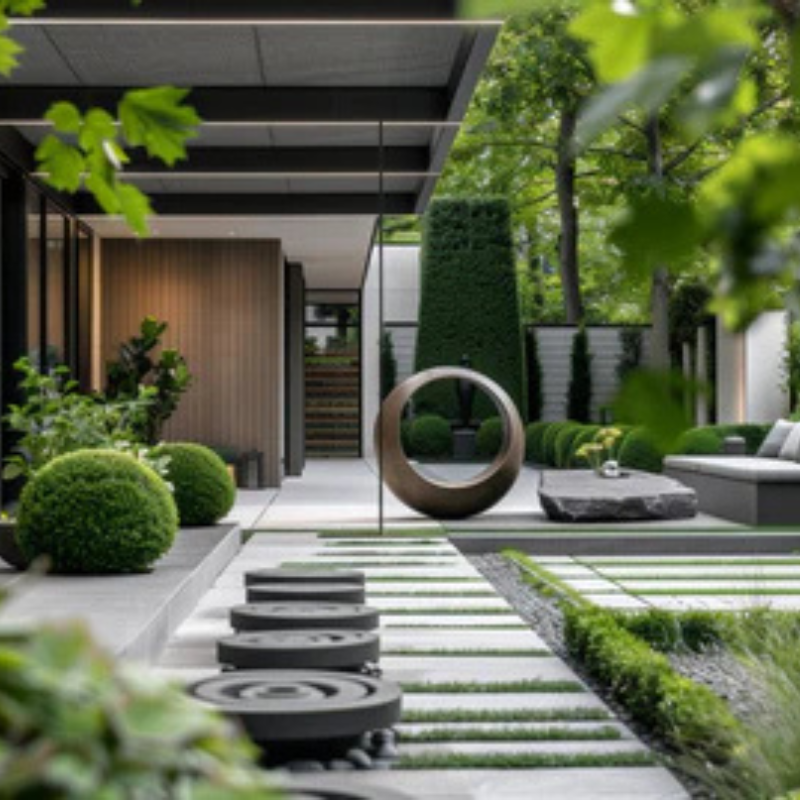
Not all beauty in the garden comes from flowers. Foliage plants play a crucial role in maintaining interest across seasons.
Plants with textured, colorful, or architectural leaves—such as ferns, hostas, ornamental grasses, and heucheras—add depth and contrast. Many of these plants remain visually strong even when not in bloom, making them ideal for year-round garden appeal.
Using foliage as a design element also creates a more natural and cohesive look, especially when combined with simple hardscaping.
Autumn Plants for Warmth and Texture
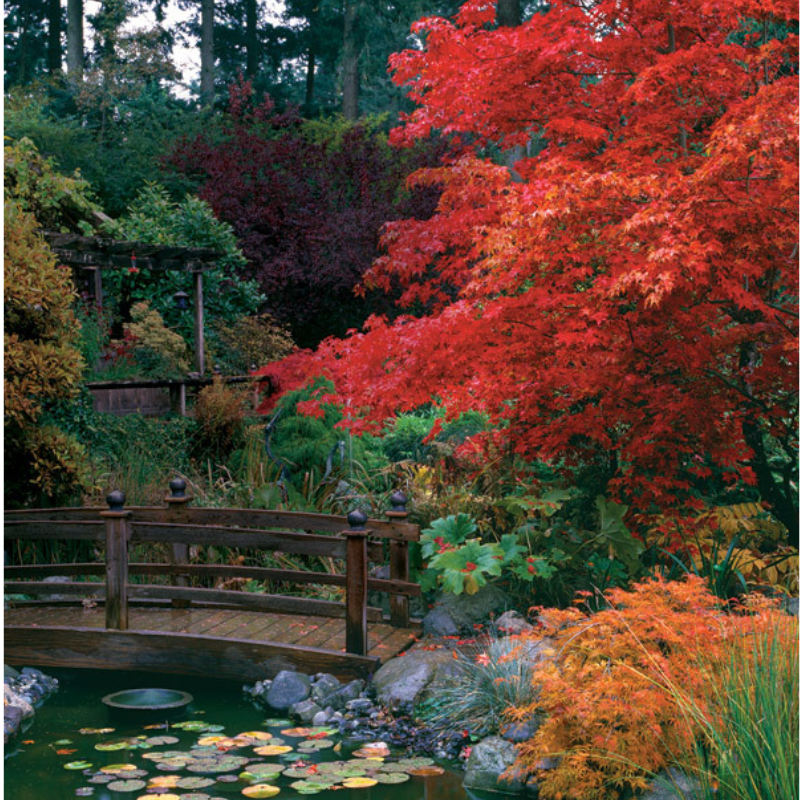
Autumn gardens are often overlooked, but this season offers rich colors and dramatic transitions. Plants that change color or produce seed heads bring warmth and character to outdoor spaces.
Ornamental grasses, Japanese maple, sedum, and certain shrubs develop stunning autumn tones. Fallen leaves, textured stems, and dried flowers contribute to a layered, organic feel that suits both traditional and contemporary gardens.
Allowing some plants to remain untrimmed through autumn also adds structure and interest before winter sets in.
Winter-Interest Plants for Year-Round Appeal

A garden doesn’t need to look bare in winter. With thoughtful plant selection, it can still feel designed and purposeful.
Plants with strong forms, textured bark, berries, or evergreen foliage stand out during colder months. Holly, winterberry, bamboo, and certain grasses perform well in winter conditions. Even deciduous plants with sculptural branches can become striking focal points once leaves fall.
Combining winter-interest plants with subtle lighting can elevate the garden’s appearance after dark, adding warmth and depth during the colder season.
Low-Maintenance Plants for Busy Homeowners
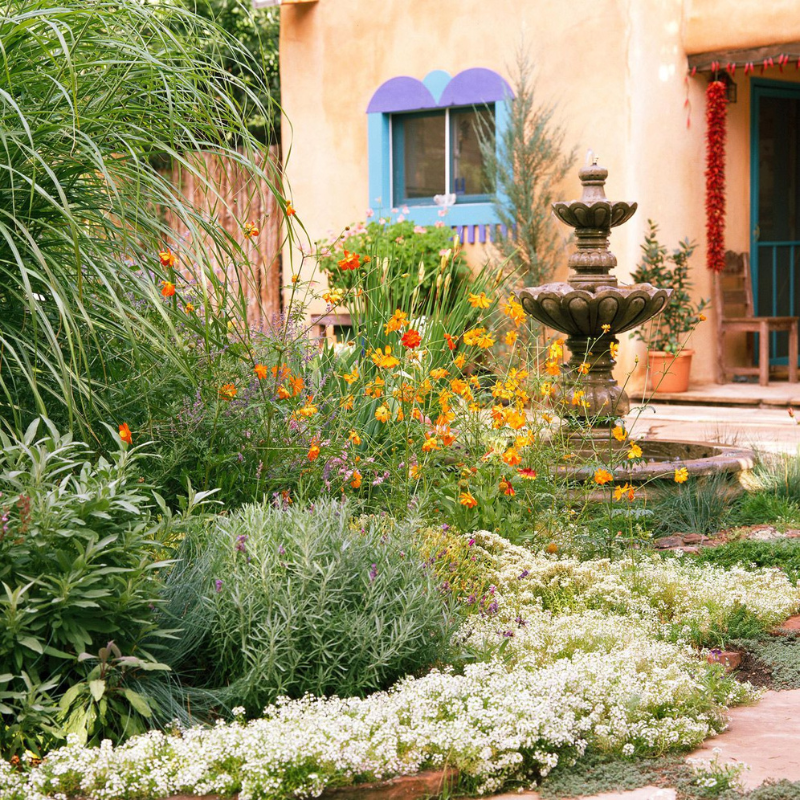
An all-season garden doesn’t have to be high maintenance. Choosing hardy, climate-appropriate plants reduces the need for constant care while ensuring reliable growth.
Native plants are particularly valuable, as they are adapted to local conditions and typically require less water and upkeep. Drought-tolerant species and slow-growing shrubs also help maintain a tidy appearance without frequent pruning.
Smart plant selection leads to a garden that looks good naturally, rather than one that relies on constant intervention.
Designing With Layers and Repetition

Successful home gardens use layers to create depth. Ground covers fill the base, mid-height shrubs add volume, and taller plants or climbers provide vertical interest.
Repeating certain plants throughout the garden helps create rhythm and visual flow. This repetition makes the space feel cohesive and thoughtfully designed, even as different plants take turns being the focal point across seasons.
Layered planting is especially effective in smaller gardens, where every element needs to work harder to enhance the overall space.
Final Thoughts
Creating a home garden that thrives in all seasons is about balance, planning, and thoughtful plant choices. By combining evergreen structure, seasonal blooms, textured foliage, and climate-suitable plants, you can enjoy a garden that feels inviting year-round.
At Ideas for Architecture, we believe great gardens are an extension of thoughtful design—spaces that evolve naturally while remaining functional and beautiful. If you’re looking for more inspiration on outdoor design, planting strategies, or architectural ideas that complement modern living, explore our latest insights and let your garden grow with intention.