


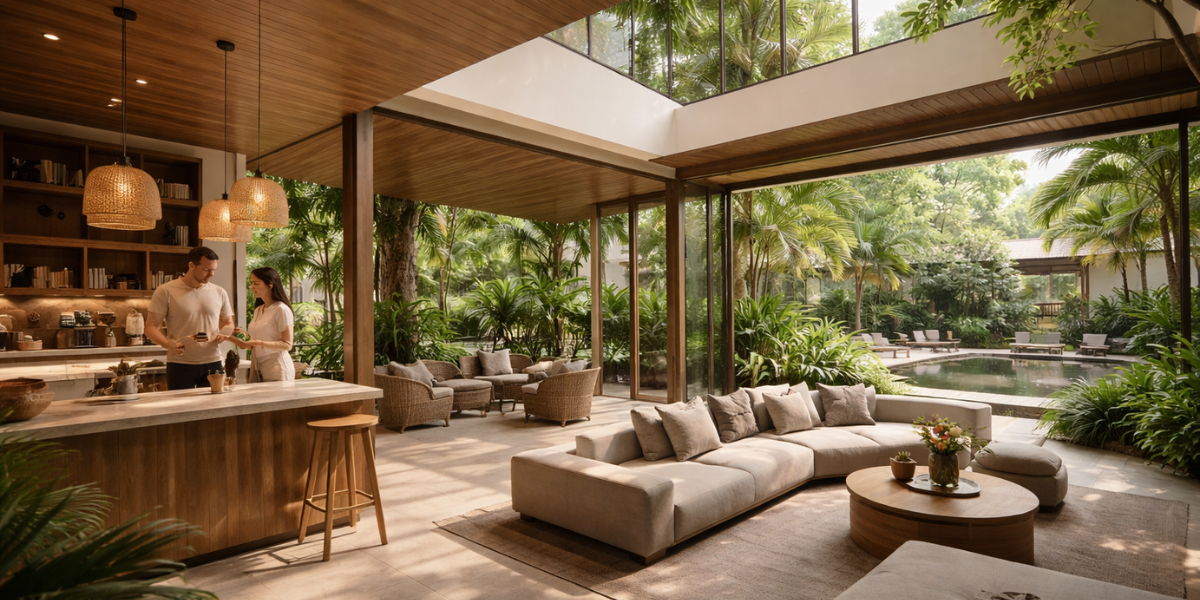
Modern residential architecture is no longer just about how a house looks from the outside. It has become deeply connected to how people live, move, work, relax, and interact every single day. From the way natural light enters a room to how spaces adapt to changing lifestyles, contemporary home design quietly influences daily routines, emotions, and long-term well-being. In many ways, architecture has become an invisible partner in modern life—shaping experiences without demanding attention.
Homes Designed Around Real Life
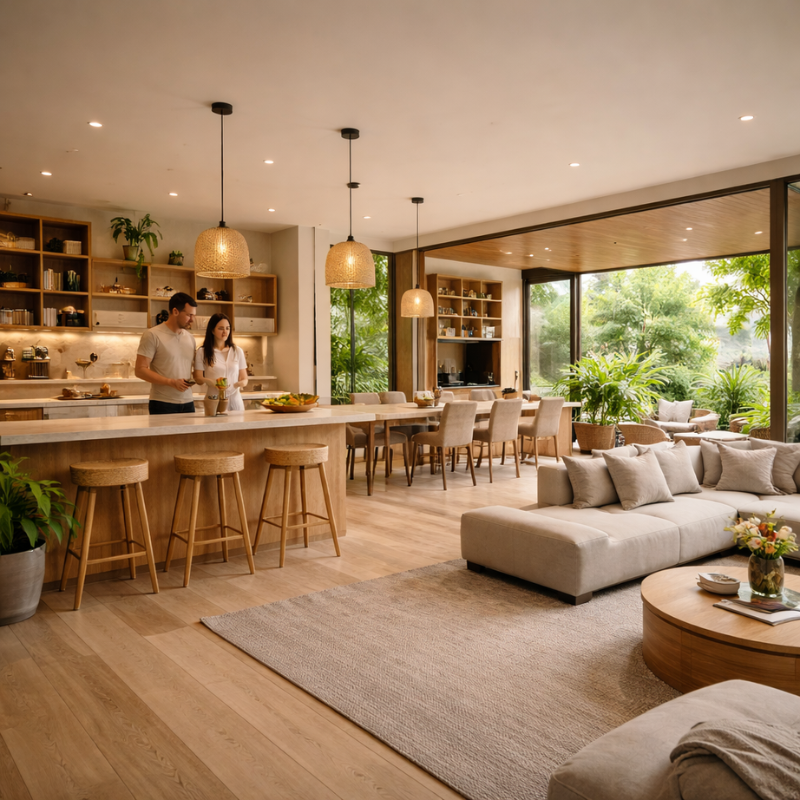
One of the most noticeable shifts in modern residential architecture is the move away from rigid layouts. Traditional homes often separated functions into closed rooms, while today’s designs favor flexible, open, and adaptable spaces. Kitchens flow into living areas, dining spaces double as work zones, and rooms are designed to evolve as family needs change.
This flexibility reflects how people actually live today. Remote work, hybrid lifestyles, and multi-functional households require homes that can adapt without constant renovation. A well-designed modern residence allows daily life to unfold naturally, supporting productivity during the day and comfort in the evening.
The Power of Natural Light and Air
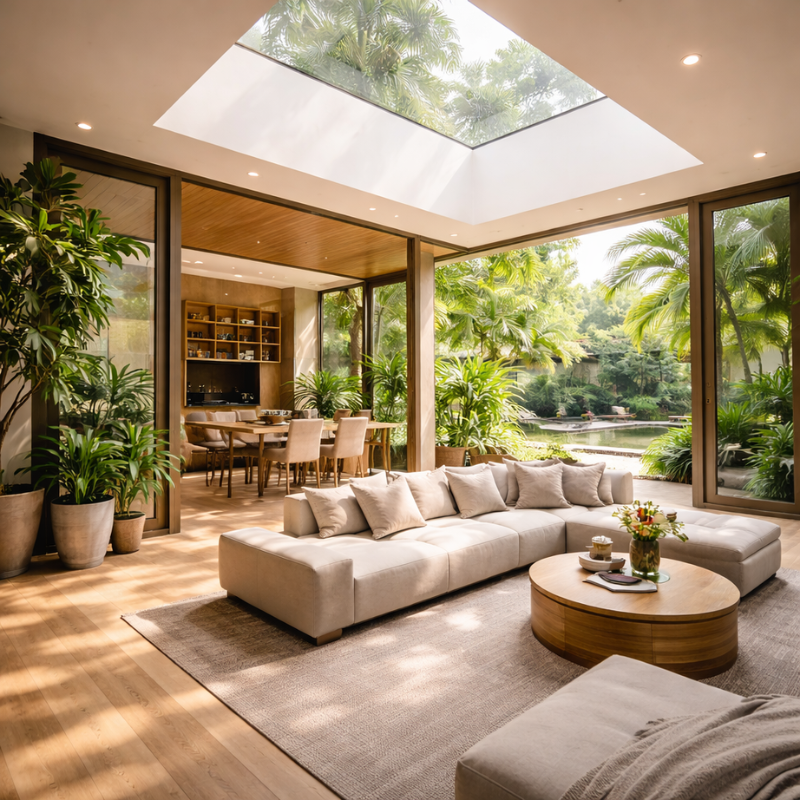
Light and ventilation are no longer secondary considerations—they are central design elements. Large windows, skylights, courtyards, and thoughtful orientation help bring daylight deep into living spaces. This reduces reliance on artificial lighting while creating interiors that feel open, calm, and connected to the outdoors.
Natural light has a measurable impact on mood, sleep cycles, and overall health. Homes that are bright and well-ventilated tend to feel more welcoming and energizing. Similarly, cross-ventilation and passive cooling strategies improve comfort while reducing energy consumption. These architectural decisions quietly enhance everyday life, often without residents even realizing why their home feels better.
Blurring the Line Between Indoors and Outdoors
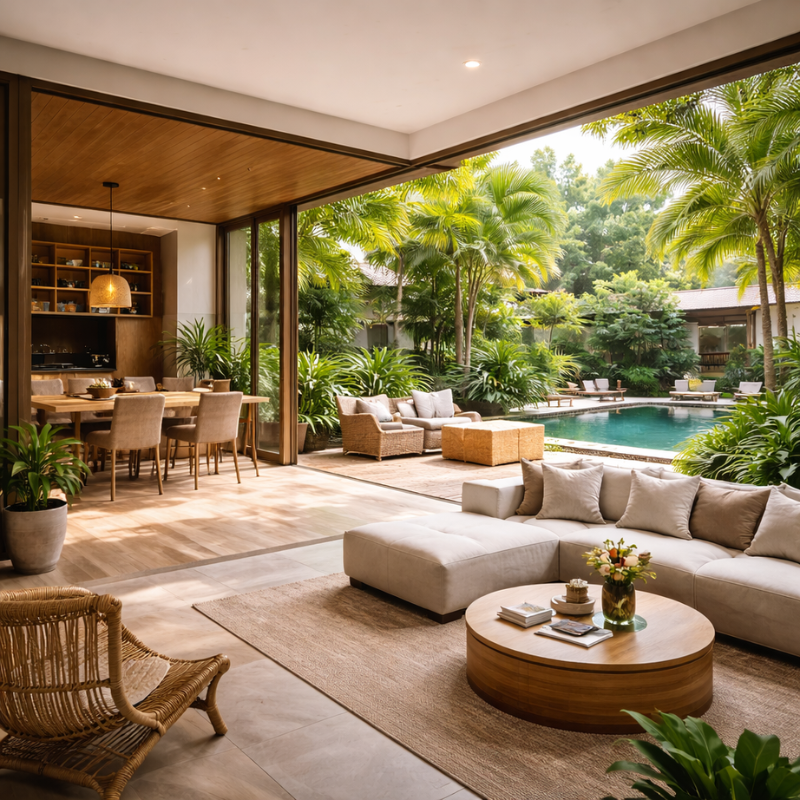
Modern residential architecture often dissolves the boundary between interior and exterior spaces. Balconies, terraces, gardens, patios, and indoor courtyards are treated as extensions of the home rather than separate zones. Sliding doors, level flooring transitions, and consistent materials help create a seamless flow.
This connection to nature plays an important role in daily well-being. Access to greenery, fresh air, and outdoor views can reduce stress and encourage slower, more mindful living. Even in dense urban settings, architects are finding ways to integrate plants, vertical gardens, and shared green spaces into residential design.
Materials That Influence Comfort and Emotion
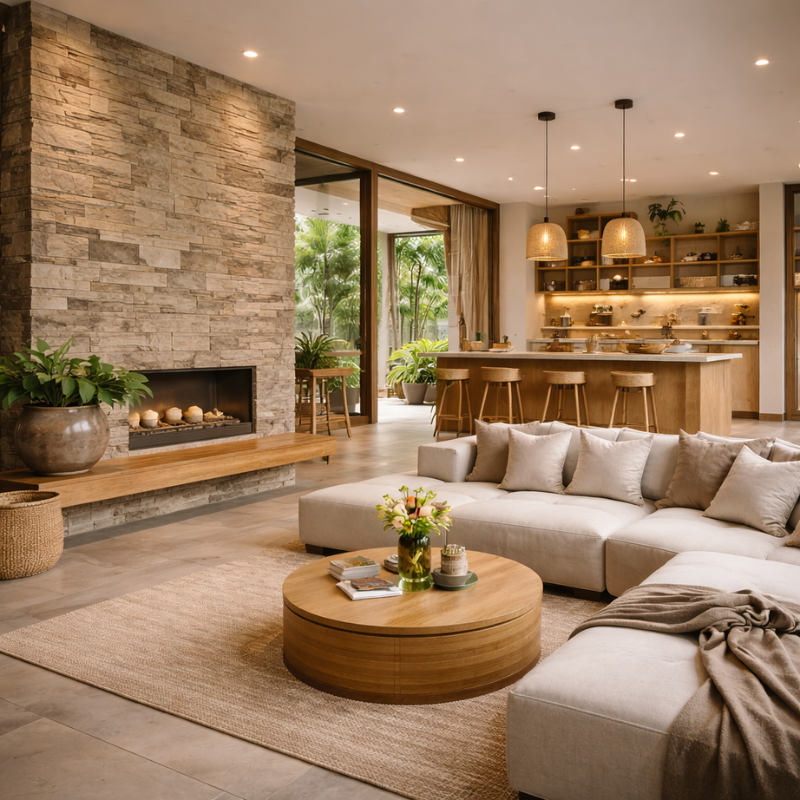
The materials used in modern homes are chosen not only for durability but also for how they feel and age over time. Natural materials like wood, stone, clay, and textured concrete add warmth and authenticity. Their imperfections and tactile qualities create environments that feel grounded and human rather than overly polished.
At the same time, contemporary architecture embraces innovation—combining traditional materials with modern finishes and construction methods. The result is homes that feel both timeless and current, offering comfort without sacrificing visual clarity or performance.
Sustainability as a Daily Experience
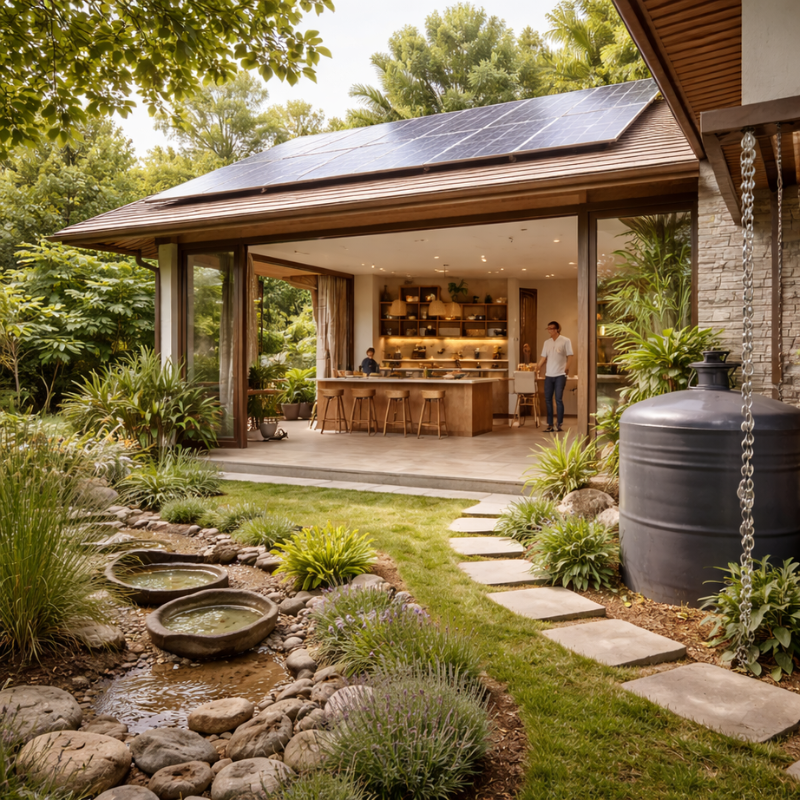
Sustainability in residential architecture is no longer an abstract concept. It directly affects daily life through lower energy bills, healthier indoor environments, and reduced environmental impact. Features such as solar orientation, insulation, rainwater harvesting, and energy-efficient systems are now integrated into design from the earliest stages.
Importantly, modern sustainable homes do not feel restrictive. Instead, they offer long-term comfort and resilience. Thoughtful architecture makes sustainable living easier and more intuitive, allowing residents to make environmentally responsible choices without constant effort.
Supporting Emotional Wellbeing
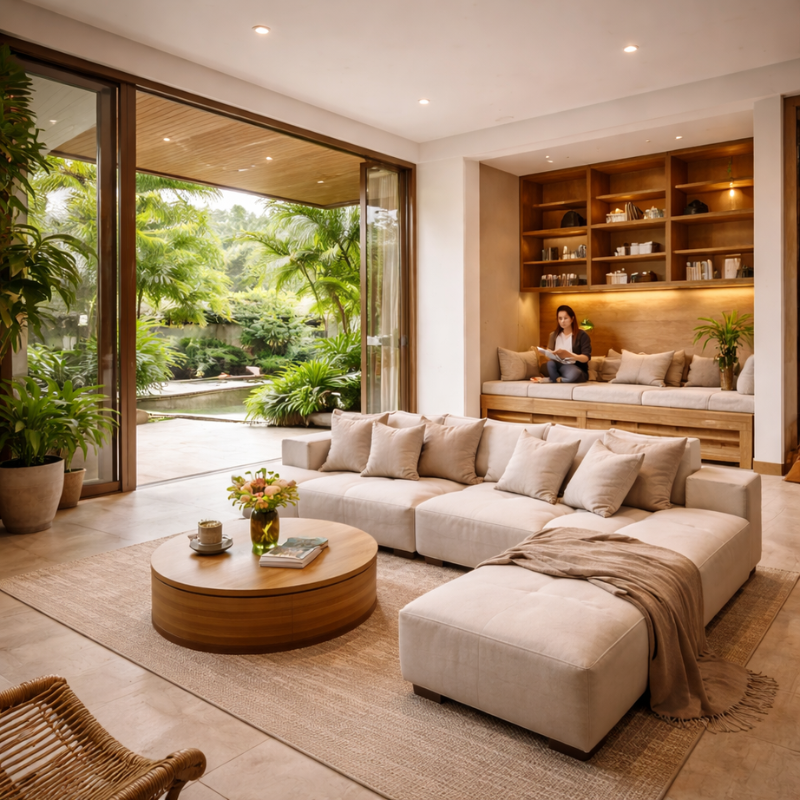
Beyond functionality, architecture shapes how people feel in their homes. Proportions, ceiling heights, acoustics, and spatial sequencing all influence emotional comfort. A well-designed home provides moments of openness as well as areas of privacy. It supports both social interaction and quiet retreat.
Modern residential architecture often prioritizes simplicity and clarity, reducing visual clutter and unnecessary complexity. This can create a sense of calm in an increasingly fast-paced world. When spaces are designed with intention, they encourage better habits—more rest, more connection, and a stronger sense of belonging.
Reflecting Identity and Lifestyle
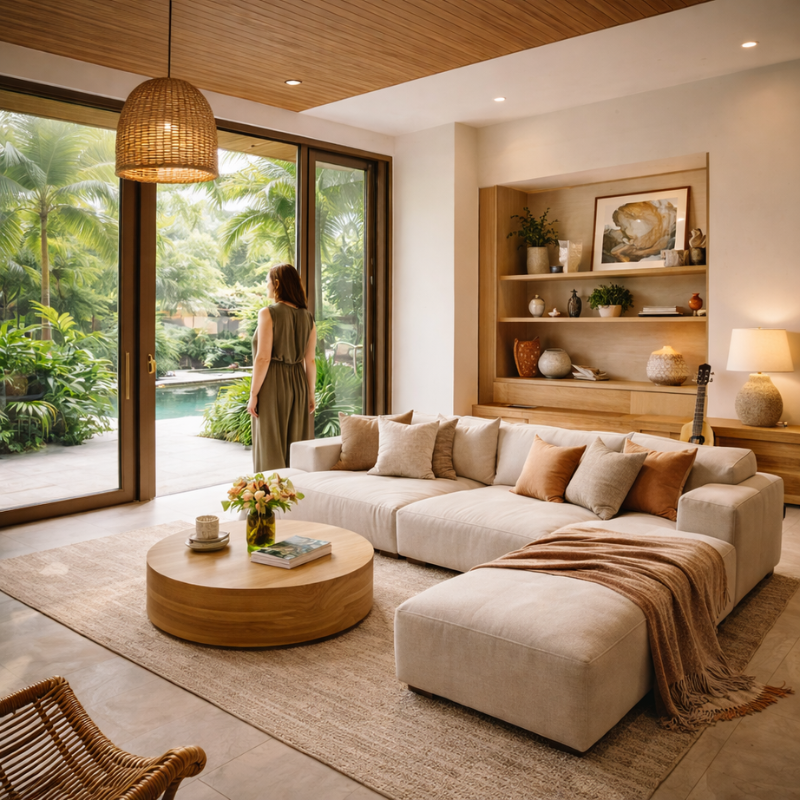
Homes today are also expressions of personal values and identity. Whether minimalist, warm, experimental, or context-driven, residential architecture tells a story about how people see themselves and the world around them. Customization, thoughtful detailing, and contextual sensitivity allow homes to feel personal rather than generic.
This sense of identity matters. Living in a space that reflects one’s values—whether that’s sustainability, creativity, or simplicity—creates a deeper emotional connection to the home and enhances everyday satisfaction.
The Future of Residential Living
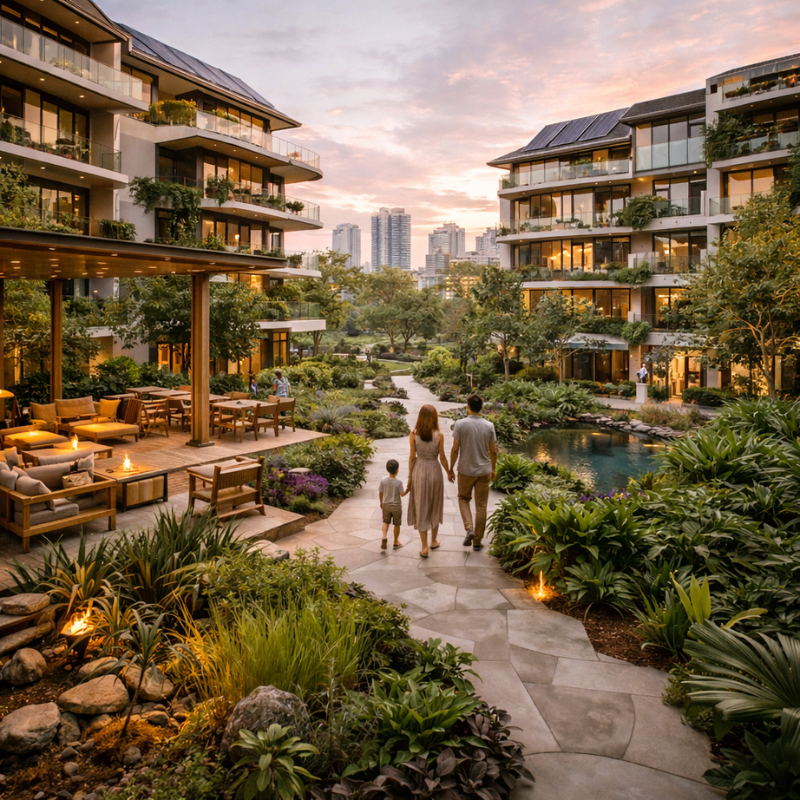
As cities grow denser and lifestyles continue to evolve, modern residential architecture will play an even greater role in shaping everyday experiences. Designers are increasingly focused on resilience, community integration, and adaptable living models that respond to social and environmental change.
The most successful residential architecture is not defined by trends but by its ability to support life gracefully over time. When design aligns with human needs, homes become more than shelters—they become environments that actively improve quality of life.
At Ideas for Architecture, we explore how thoughtful design can transform the way people live, feel, and connect with their surroundings. If you’re interested in modern residential concepts, future-focused design ideas, or architecture that puts people first, explore more of our work and insights. Great spaces don’t just happen—they’re designed with purpose.